
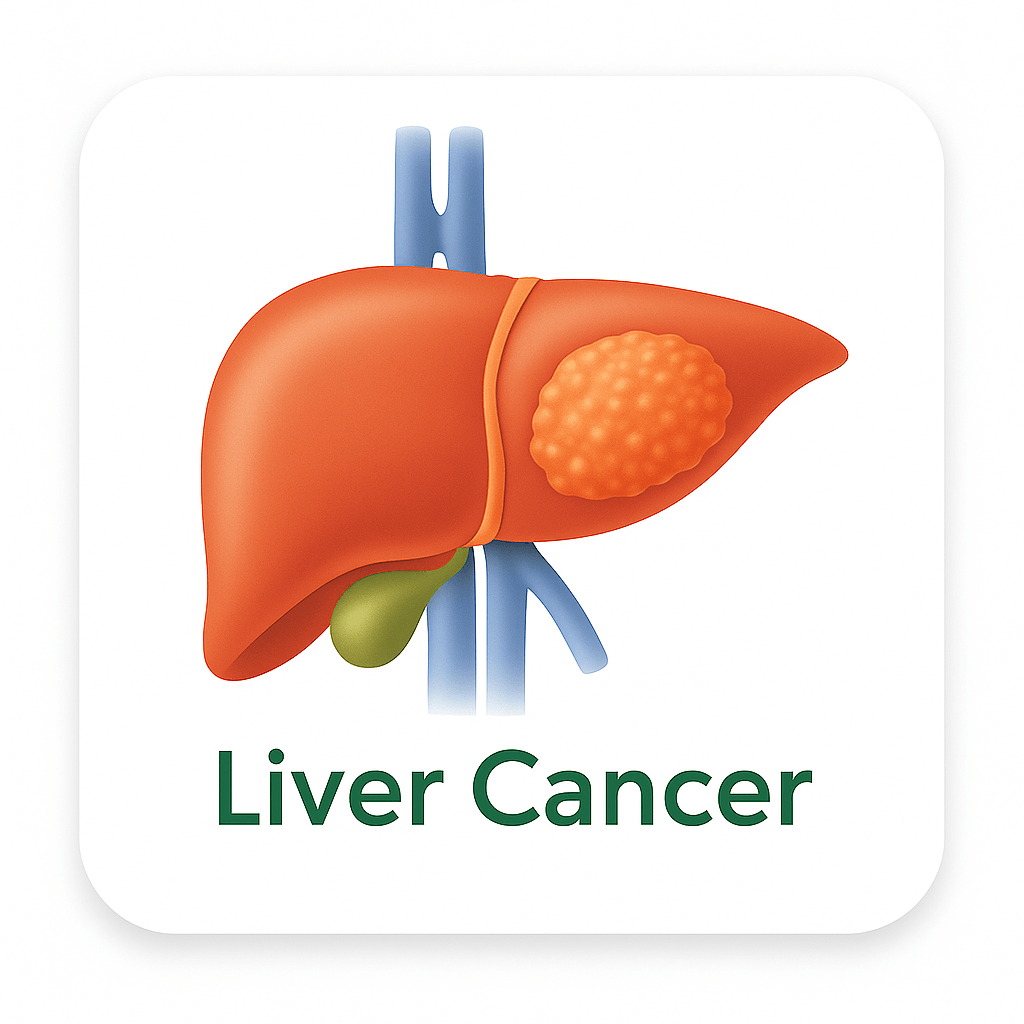
ID
20
Cancer Name
Liver Cancer (HCC)
Main Grouping
Digestive
Organ System
Liver,hepatobiliary system
Cell Origin
Mature hepatocytes and hepatic progenitor cells are the primary cells of origin for hepatocellular carcinoma (HCC)
Pathways Affected
HCC involves dysregulation of multiple interconnected molecular signaling pathways with the core being WNT/beta-catenin, p53, PI3K/AKT/mTOR, TERT-mediated immortality, and angiogenesis. The WNT/beta-catenin pathway is activated in approximately 25 to 30 percent of HCC through CTNNB1 activating mutations and AXIN1 inactivating mutations, driving downstream target gene transcription for proliferation, survival, and stem cell renewal; curcumin has been documented to induce apoptosis in BEL-7402 and QGY-7703 HCC cell lines specifically through Wnt/beta-catenin signaling pathway inhibition and decreased beta-catenin target gene expression.
The p53 tumor suppressor pathway is disrupted through TP53 mutations in approximately 25 to 30 percent of HCC, with TP53 loss promoting dedifferentiation of mature hepatocytes into progenitor-like cells that subsequently develop into HCC; TP53 also regulates VEGF-A expression relevant to tumor angiogenesis. The PI3K/AKT/mTOR pathway is activated through PTEN loss and PIK3CA mutations, driving hepatocyte proliferation, survival, and metabolic reprogramming; mTOR hyperactivation represents an important downstream node for therapeutic targeting in HCC. The MAPK/RAS/ERK pathway is activated through RPS6KA3 mutations and upstream RTK activation and contributes to hepatocyte proliferation and tumor progression. The JAK/STAT pathway, particularly STAT3, is a central mediator of hepatic inflammation-to-carcinogenesis progression and is directly inhibited by curcumin in HCC HepG2 cells in combination with VEGF and HIF-1alpha inhibition.
The hypoxia/HIF-1alpha response pathway is active in HCC tumor tissue and drives VEGF-mediated angiogenesis, with curcumin documented to decrease HIF-1alpha signaling expression in HCC models. VEGF-mediated angiogenesis is a primary therapeutic target in HCC, with VEGFA amplification at chromosome 6p21 in a subset of HCC and VEGF expression regulated by TP53. The TGF-beta/SMAD pathway promotes hepatic fibrosis, epithelial-mesenchymal transition, and immune suppression in the HCC tumor microenvironment, particularly relevant to proliferative HCC subtypes. TERT promoter mutation-driven telomere reactivation is the most prevalent molecular event in HCC at 60 percent, enabling replicative immortality of transformed hepatocytes. The cell cycle pathway is disrupted through CDKN2A deletion and CCND1 amplification. The Nrf2 antioxidant response pathway is relevant to oxidative stress induced by chronic liver inflammation driving hepatocarcinogenesis; quercetin blocks HCC cell cycle progression at G1 phase through CDK inhibitor p21 and p27 elevation. Quercetin additionally induces apoptosis by downregulating survivin and BCL-2 in HCC cells. The bile acid synthesis and xenobiotic metabolism pathways are directly relevant to liver carcinogen detoxification and aflatoxin B1-induced HCC.
Description
Hepatocellular carcinoma (HCC) constitutes approximately 90 percent of all primary liver cancers and ranks as a leading cause of cancer-related death worldwide, with projections indicating that new cases could surpass 1 million annually by 2025. HCC is the fifth most common cancer globally and is the third leading cause of cancer-related death after lung, colorectal, and stomach cancers. Approximately 42,230 HCC-related cases were recorded in 2021, with 29,890 in men and 12,340 in women. Sub-Saharan Africa and Eastern Asia demonstrate the highest age-standardized incidence rates of more than 20 per 100,000 individuals.
HCC develops predominantly on a background of chronic liver disease and cirrhosis. Established risk factors include chronic liver inflammation from metabolic-associated steatohepatitis (MASH), alcoholic cirrhosis, and aflatoxin B1 exposure from contaminated food. Chronic inflammation, hepatocyte turnover, and DNA stress activate the p53/p21 and p16/pRb tumor suppressor checkpoints, driving cellular senescence reflected by cirrhosis. Pre-senescent hepatocytes can bypass senescence through mechanisms involving Wnt signaling and telomerase reactivation, and acquire the additional genetic and epigenetic alterations required for cancerous transformation.
The genomic landscape of HCC is characterized by distinct molecular subtypes. TERT promoter mutations are the most frequent at approximately 60 percent, enabling replicative immortality through telomerase reactivation. TP53 mutations occur in approximately 25 to 30 percent and are particularly associated with poor-differentiation proliferative HCC subtypes with high serum AFP levels and worse prognosis. CTNNB1 activating mutations and AXIN1 inactivating mutations both activate WNT/beta-catenin signaling and are enriched in alcoholic cirrhosis-associated HCC. The PI3K/AKT/mTOR axis is activated in the presence of PTEN loss and is a major event in HCC. DNA amplifications in chromosome 6p21 include VEGFA and amplifications at 11q13 include FGF19 and CCND1. Proliferative HCC subtypes display TGF-beta, MET, AKT, and IGF2 pathway activations. ARID1A mutations disrupt chromatin remodeling in a subset of HCC. CDKN2A homozygous deletions at chromosome 9 remove cell cycle brake mechanisms.
HCC has a high and growing research focus for plant phytochemical biology. Curcumin from turmeric has been extensively studied in HCC cell models, with research documenting induction of apoptosis in BEL-7402 and QGY-7703 human hepatocellular carcinoma cell lines through Wnt/beta-catenin signaling pathway inhibition and reduction of target gene expression, and documented inhibition of STAT3, VEGF, and HIF-1alpha signaling in HepG2 cells with significant apoptosis ratio increase. EGCG from green tea is the subject of an active Phase II Randomized Controlled Trial (NCT06015022, CATCH-B trial, University of Texas Southwestern Medical Center) testing EGCG for HCC chemoprevention in patients with liver cirrhosis.
Plant-Based Description
Whole-food plant-based dietary patterns provide nutrients and phytochemicals studied in relation to chronic liver inflammation, oxidative stress, NF-kB-driven pro-inflammatory hepatic injury, Wnt/beta-catenin and PI3K/AKT/mTOR pathway modulation, STAT3 and VEGF inhibition, and apoptosis induction relevant to HCC. Curcumin from turmeric has documented apoptosis-inducing activity in HCC cell lines through Wnt/beta-catenin inhibition and STAT3/VEGF/HIF-1alpha suppression. EGCG from green tea is being evaluated in a Phase II randomized controlled trial (NCT06015022) for HCC chemoprevention in cirrhotic patients. Quercetin blocks G1 cell cycle progression and induces apoptosis in HCC cells. Fruits provide vitamin C, carotenoids, polyphenols, and anthocyanins. Vegetables provide sulforaphane, carotenoids, quercetin, and fiber. Legumes and whole grains provide fiber and fermentable carbohydrates supporting gut-liver axis signaling. Mushrooms provide beta-glucans with hepatoprotective and immune-modulatory properties documented in HCC-relevant models.
Plant Chemistry Detail
Curcumin from turmeric is the most extensively documented plant phytochemical in HCC research. A study published in PMC10276545 found that curcumin treatment of HepG2 hepatocellular carcinoma cells significantly increased apoptosis ratio through inhibition of STAT3, VEGF, and HIF-1alpha signaling pathways, with cell viability reduction, G2/M cell cycle arrest, and reduced cancer cell migration. Additional research documented curcumin inducing apoptosis in BEL-7402 and QGY-7703 human HCC cell lines through Wnt/beta-catenin signaling pathway inhibition and reduced target gene expression, establishing dual Wnt and STAT3/VEGF/HIF-1alpha pathway targeting. The safety of curcumin at 8g/day has been documented in human clinical trials. A systematic review (PMC8918363) confirmed curcumin's multifunctional anticancer properties against HCC through multiple molecular targets.
EGCG from green tea has been reported to have chemopreventive effects for liver cancer across multiple research studies, with documented induction of apoptosis in liver carcinoma cells, decreased mitochondrial membrane potential, G0/G1 phase cell cycle arrest in liver carcinoma cells but not non-cancerous liver cells, and BCL-2 downregulation. EGCG is the subject of an active Phase II randomized controlled trial (NCT06015022, CATCH-B trial) testing EGCG for HCC chemoprevention in patients with liver cirrhosis. Quercetin has documented activity in HCC cells including G1 cell cycle arrest through elevation of CDK inhibitors p21 and p27, apoptosis induction through survivin and BCL-2 downregulation, and synergistic anti-proliferative activity with conventional agents in HepG2 cells. Sulforaphane from cruciferous vegetables activates Nrf2/ARE antioxidant response and inhibits NF-kB in hepatic cell models. Resveratrol from grapes inhibits Wnt/beta-catenin, PI3K/AKT, and STAT3 signaling in hepatic cancer models. Beta-glucans from shiitake and maitake mushrooms modulate innate immune signaling relevant to the HCC tumor microenvironment and TLR signaling in the liver. Dietary fiber modulates bile acid metabolism and the gut-liver axis microbiome signaling pathways directly relevant to hepatocarcinogenesis.
Nutritional Focus
Nutritional focus in HCC research is led by curcumin from turmeric, the most extensively studied plant phytochemical in HCC cell biology, with documented induction of apoptosis in BEL-7402 and QGY-7703 HCC cell lines through Wnt/beta-catenin pathway inhibition, and documented inhibition of STAT3/VEGF/HIF-1alpha signaling with significant apoptosis increase in HepG2 cells; EGCG from green tea with documented liver carcinoma cell apoptosis induction including G0/G1 arrest and BCL-2 downregulation, and which is currently being evaluated in the Phase II CATCH-B trial (NCT06015022) for HCC chemoprevention in cirrhotic patients; quercetin from onions, apples, and kale with documented G1 cell cycle arrest through p21/p27 elevation and apoptosis through survivin and BCL-2 downregulation in HCC cells; sulforaphane from cruciferous vegetables activating Nrf2 antioxidant response relevant to oxidative stress-driven hepatocarcinogenesis; dietary fiber from legumes and whole grains supporting gut-liver axis microbiome signaling; and folate from legumes and dark leafy greens supporting methionine cycle integrity relevant to the epigenetic alterations including ARID1A mutations and DNA methylation changes documented in HCC.
Research Notes
HCC genomic characterization (PMC5577674) documented the most common molecular anomalies as TERT promoter mutations, TP53 mutations in 25 to 30 percent, CTNNB1 mutations in 25 to 30 percent, AXIN1 mutations, ARID1A mutations, CDKN2A deletions, and CCND1 amplification; PTEN loss is frequent; CTNNB1 is associated with alcoholic cirrhosis and activates Wnt signaling; PI3K/AKT/mTOR activation through PTEN loss, WNT pathway alterations, and aberrant angiogenesis were identified as major events in HCC. HCC overview molecular review (PMC10512929) documented TP53 depletion causing hepatocyte dedifferentiation into progenitor-like cells, and classified proliferative HCC with TP53 mutations and non-proliferative with CTNNB1 mutations, with proliferative HCC showing TGF-beta, MET, AKT, and IGF2 pathway activations. Cellular origin review (NCBI Bookshelf NBK549196) confirmed TERT promoter mutation frequency at 60 percent as the most frequent in HCC, with TP53 and CTNNB1 mutations each at 25 to 30 percent.
Curcumin in HCC study (PMC10276545) documented significant apoptosis ratio increase in HepG2 cells through inhibition of STAT3, VEGF, and HIF-1alpha signaling, with G2/M cell cycle arrest and reduced migration. Curcumin systematic review for HCC (PMC8918363) confirmed curcumin's multifunctional anticancer properties against HCC globally and postulated molecular targets including Wnt/beta-catenin pathway inhibition in BEL-7402 and QGY-7703 HCC cell lines. Synergistic anticancer activities review in HCC (PMC5548258) documented quercetin blocking G1 cell cycle progression through p21 and p27 elevation and inducing HCC cell apoptosis through survivin and BCL-2 downregulation, and EGCG inducing apoptosis and G0/G1 arrest specifically in liver carcinoma cells while not affecting non-cancerous liver cells. Phase II randomized controlled trial NCT06015022 (CATCH-B, University of Texas Southwestern Medical Center) is actively recruiting patients with liver cirrhosis to test EGCG for HCC chemoprevention.
Notes Visibility
show
Key Foods
Turmeric,Broccoli,Kale,Spinach,Brussels Sprouts,Cauliflower,Garlic,Yellow Onion,Carrot,Sweet Potato,Tomato,Apple,Blueberry,Pomegranate,Grape,Raspberry,Strawberry,Blackberry,Soybeans,Edamame,Green Lentils,Black Beans,Chickpeas,Brown Rice,Quinoa,Oats,Wild Rice,Rye Berries,Sorghum,Walnut,Almond,Brazil Nut,Pumpkin Seeds,Flaxseed,Chia Seeds,Sesame Seeds,Hemp Seeds,Shiitake,Maitake,Cremini,Portobello,Lions Mane,Green Tea,Ginger,Black Pepper,Parsley,Rosemary,Oregano,Garlic Powder
, Leek,Avocado,Artichoke,Radish,Tangerine, Red Onion
Linked Nutrients
vitamin-c,vitamin-e,vitamin-d3,vitamin-b9,vitamin-b6,vitamin-a,selenium,zinc,magnesium,calcium,potassium,iron,curcumin,egcg,quercetin,resveratrol,sulforaphane,ellagic-acid,beta-carotene,anthocyanins,beta-glucans,plant-ala-omega3,dietary-fiber,glycine
Last Updated
2025-10-13 09:43:24

