
ID
21
Cancer Name
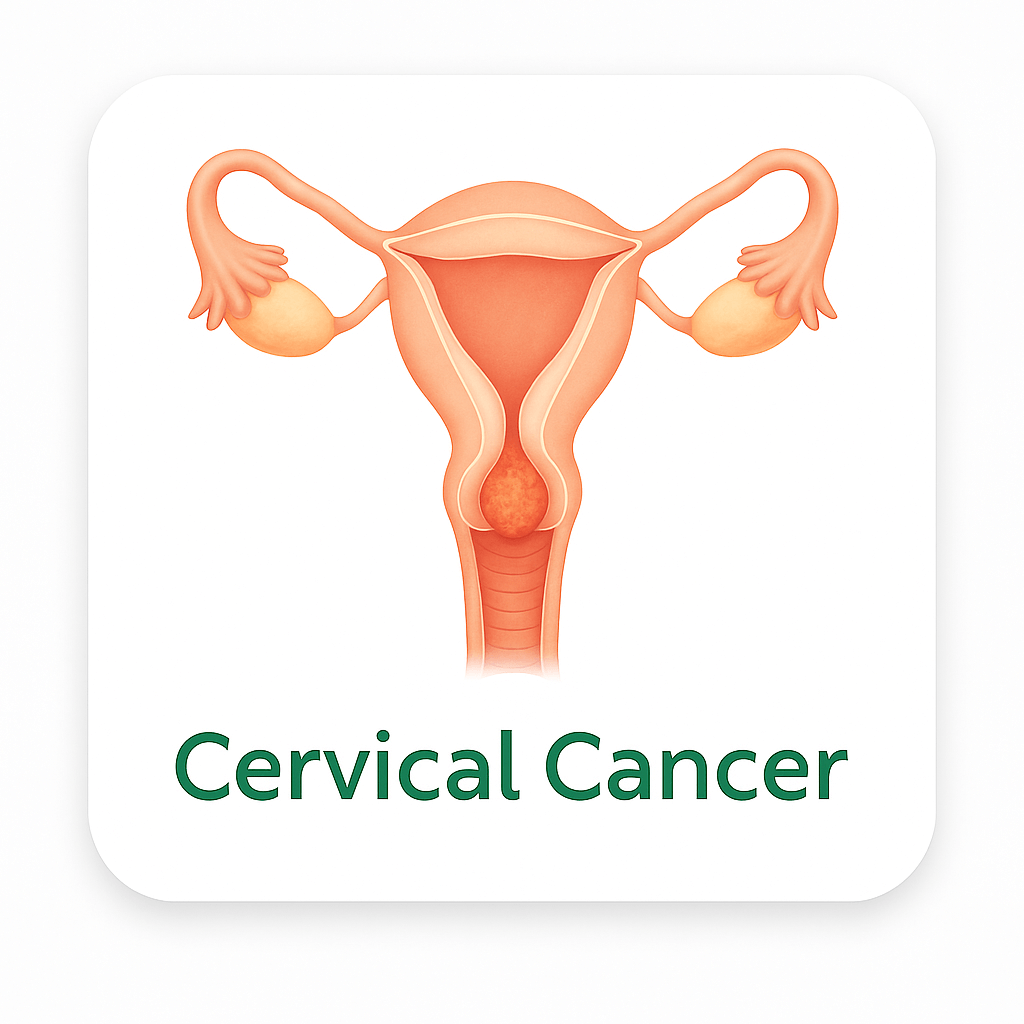
Cervical Cancer
Main Grouping
Reproductive
Organ System
Cervix uteri,female reproductive tract,lower genital tract
Cell Origin
Squamous epithelial cells of the ectocervix and glandular columnar epithelial cells.
Pathways Affected
Cervical cancer involves dysregulation of multiple molecular signaling pathways, with the dominant theme being loss of cell cycle control, p53-mediated apoptosis evasion, and EGFR-PI3K-driven survival signaling. The EGFR signaling pathway is overexpressed in approximately 70 percent of cervical squamous cell carcinomas and regulates growth, survival, proliferation, and differentiation through downstream activation of both PI3K/AKT/mTOR and RAS/MAPK/ERK cascades; EGFR overexpression is confirmed as a predictor of reduced survival in cervical cancer by systematic meta-analysis. The PI3K/AKT/mTOR pathway is activated through PIK3CA mutations in both SCC and adenocarcinoma subtypes of cervical cancer and is a documented therapeutic target with PIK3CA mutational status strongly associated with overall survival outcomes.
The p53 tumor suppressor pathway is inactivated in approximately 16 percent of SCC and 36 percent of adenocarcinoma through somatic TP53 mutations; functional TP53 loss disrupts cell cycle arrest and apoptosis in response to DNA damage and enables DNA damage accumulation in cervical epithelial cells. Cell cycle checkpoint control is disrupted through epigenetic silencing of CDKN2A/p16INK4a via promoter hypermethylation, removing the critical CDK4/6 brake on G1/S cell cycle transition. The Wnt signaling pathway regulates reserve cell lineage behavior at the cervical transformation zone, with opposing stromal Wnt signals governing ectocervical and endocervical epithelial maintenance; disruption of Wnt signaling contributes to the transformation zone carcinogenic microenvironment. The NF-kB signaling pathway drives pro-inflammatory cytokine production and anti-apoptotic gene regulation in cervical cancer cells. The TGF-beta/SMAD pathway is relevant to cervical epithelial-mesenchymal transition and invasion in advanced cervical cancer. VEGF-mediated angiogenesis supports tumor vascularization and is a documented therapeutic target in cervical cancer. The Nrf2 antioxidant response pathway is relevant to oxidative stress management in cervical epithelial cells and is activated by dietary sulforaphane. Folate-dependent one-carbon metabolism is directly relevant to cervical carcinogenesis through DNA methylation, with folate deficiency documented to enable progression from CIN to invasive cancer. The methionine/SAM cycle supports the DNA methylation machinery relevant to CDKN2A and RASSF1A epigenetic silencing. The apoptosis pathway is dysregulated through BCL-2 family protein alterations in cervical cancer cells and is targeted by multiple plant phytochemicals including EGCG, quercetin, and indole-3-carbinol.
Description
Cervical cancer is the fourth most common cancer diagnosed in women worldwide. In the GLOBOCAN 2018 study, cervical cancer was ranked fourth in terms of both incidence with 569,847 cases and mortality with 311,365 cases among all cancers in the female population. Cervical cancer is the leading cause of cancer mortality among women in developing countries and continues to be a major global public health concern with markedly unequal geographic distribution.
Cervical cancer develops through a continuous multistep process beginning at the normal cervical epithelium and progressing through cervical intraepithelial neoplasia (CIN) grades 1, 2, and 3 before developing into invasive squamous carcinoma or adenocarcinoma. The cervix is anatomically divided into the ectocervix, covered with stratified squamous epithelial cells, and the endocervix, consisting of simple columnar epithelial cells. The transformation zone (TZ) where squamous and columnar epithelia meet is the most likely site for invasive cervical cancer development. Reserve cells at the TZ, proposed as the target cell for carcinogenic initiation, are regulated by opposing Wnt signals from the stroma, with endocervical stromal remodeling driving differential epithelial lineage proliferation.
The molecular landscape of cervical cancer is defined by EGFR overexpression in approximately 70 percent of cervical squamous cell carcinomas, where it regulates growth, survival, proliferation, and differentiation; a systematic meta-analysis confirmed EGFR overexpression as a predictor of reduced survival. PIK3CA mutations activate the PI3K/AKT/mTOR pathway and are found in approximately 5 percent of SCC and 11 percent of adenocarcinoma, with PIK3CA mutational status strongly associated with overall survival in stage IB/II patients treated with radical chemo-radiotherapy (unadjusted hazard ratio 6.0, 95% CI 2.1 to 17.5, p=0.0002). TP53 mutations are found in approximately 16 percent of SCC and 36 percent of adenocarcinoma, with significantly higher frequency in adenocarcinoma than SCC (p=0.035); TP53 mutations in cervical adenocarcinoma are independent from oncogenic HPV infection status. Epigenetic silencing of tumor suppressor genes through promoter hypermethylation of CDKN2A (p16INK4a) and RASSF1A represents a key mechanism of cervical carcinogenesis. TCGA integrated genomic analysis identified three cervical cancer molecular clusters with distinct mRNA, copy number, methylation, and miRNA profiles.
Epidemiological evidence documents that folate, vitamin C, beta-carotene, and other carotenoids are nutritional co-factors in the natural history of cervical disease. A case-control study of 748 invasive cervical cancer cases and 1,411 controls in four Latin American countries found significant trends of decreasing risk for vitamin C (adjusted OR 0.69, highest vs. lowest quartile, p for trend 0.003), beta-carotene (OR 0.68, p=0.02), and other carotenoids (OR 0.61, p=0.003) after adjustment for age, sexual and reproductive behavior, socioeconomic status, screening practices, and HPV status. Folate intake is documented to prevent or inhibit progression to various grades of CIN.
Plant-Based Description
Whole-food plant-based dietary patterns provide nutrients and phytochemicals documented in epidemiological and cell biology research in relation to cervical cancer. A case-control study of 748 cervical cancer cases and 1,411 controls found significant decreasing risk trends for vitamin C (adjusted OR 0.69), beta-carotene (OR 0.68), and other carotenoids (OR 0.61) after full confounding adjustment. Multiple systematic reviews document that folate intake prevents or inhibits progression from HPV-associated CIN to various CIN grades, and that vitamins A, C, D, and E and carotenoids are the main preventive dietary antioxidants documented in cervical cancer. Sulforaphane from cruciferous vegetables has been documented to trigger cell cycle arrest in cervical cancer cells at low concentrations. Indole-3-carbinol and its derivative DIM from cruciferous vegetables modulate estrogen metabolism and induce apoptosis in cervical cancer cell models. EGCG from green tea, quercetin, curcumin, and resveratrol target EGFR, PI3K/AKT, NF-kB, and apoptosis pathways documented in cervical cancer biology.
Plant Chemistry Detail
Vitamin C from citrus fruits, kiwi, red bell pepper, and strawberries has the strongest epidemiological documentation in cervical cancer, with a statistically significant inverse association (adjusted OR 0.69, p for trend 0.003) in a multicenter case-control study across four Latin American countries after adjustment for HPV status and confounders. Beta-carotene from carrot, sweet potato, kale, and spinach showed adjusted OR 0.68 (p=0.02) and total carotenoids showed adjusted OR 0.61 (p=0.003) in the same study, with vitamins A and D and carotenoids documented to inhibit early cervical cancer development across multiple reviews. Folate from dark leafy greens, legumes, and citrus fruits is documented to prevent or inhibit the progression of CIN across multiple cervical cancer epidemiological studies, with folate supporting DNA synthesis, DNA repair, and prevention of the DNA methylation aberrations that silence CDKN2A and RASSF1A tumor suppressor genes in cervical cancer.
Sulforaphane from broccoli, Brussels sprouts, cauliflower, and kale has been documented to trigger cell cycle arrest in cervical cancer cells at low concentrations through Nrf2 activation and HDAC inhibition. Indole-3-carbinol from cruciferous vegetables modulates estrogen metabolism through induction of CYP1A1 and 2-hydroxylation pathways and induces apoptosis in cervical cancer cell lines including HeLa cells. EGCG from green tea inhibits EGFR signaling, PI3K/AKT, and NF-kB pathways and induces apoptosis in cervical cancer cell models; EGCG inhibits the Sp1 transcription factor relevant to EGFR promoter activity in cervical cancer. Quercetin from yellow onions, kale, and apples inhibits PI3K/AKT and NF-kB signaling, induces G1 cell cycle arrest, and induces apoptosis in cervical cancer cell lines including SiHa and HeLa cells. Curcumin from turmeric inhibits NF-kB, PI3K/AKT, Wnt/beta-catenin, and MAPK/ERK pathways and induces apoptosis in cervical cancer cell models. Lycopene from tomatoes and beta-cryptoxanthin from citrus fruits are documented carotenoids with documented inverse associations with cervical cancer risk.
Nutritional Focus
Nutritional focus in cervical cancer research is led by vitamin C, beta-carotene, and total carotenoids with documented statistically significant inverse associations with invasive cervical cancer risk from a multicenter case-control study of 748 cases and 1,411 controls across four Latin American countries; folate from dark leafy greens and legumes with documented prevention or inhibition of CIN progression across multiple epidemiological studies, acting through DNA methylation support for CDKN2A and RASSF1A tumor suppressor gene maintenance; sulforaphane from cruciferous vegetables with documented cell cycle arrest in cervical cancer cells at low concentrations; indole-3-carbinol from cruciferous vegetables with documented apoptosis induction in HeLa cervical cancer cell lines; EGCG from green tea targeting EGFR signaling overexpressed in approximately 70 percent of cervical SCC; quercetin from onions and apples inducing G1 cell cycle arrest and apoptosis in SiHa and HeLa cervical cancer cells; vitamins A and D from plant carotenoid conversion and fortified plant foods with documented inhibition of early cervical cancer development; and vitamin E from nuts and seeds with documented wide inhibition across the cervical cancer development continuum.
Research Notes
Cervical cancer genomic characterization (PMC4174264) of 83 cervical cancers found TP53 mutations in 16 percent of SCC and 36 percent of adenocarcinoma, PIK3CA mutations in 5 percent of SCC and 11 percent of adenocarcinoma, with PIK3CA mutational status strongly associated with overall survival in stage IB/II patients (unadjusted HR 6.0, 95% CI 2.1 to 17.5, p=0.0002) treated with radical chemo-radiotherapy. TCGA integrated genomic characterization (PMC5354998) identified three molecular clusters of cervical carcinoma with distinct genomic profiles and documented tandem duplication of BCAR4 metastasis-promoting lncRNA activating HER2/3 pathway signaling. Cervical cancer therapies review documented EGFR overexpression in approximately 70 percent of cervical SCC regulating growth, survival, proliferation, and differentiation with systematic meta-analysis confirming EGFR as a predictor of reduced survival.
Dietary antioxidants review (PMC7698010) documented that intake of vitamins A and D and carotenoids inhibits early cervical cancer development, folate prevents or inhibits HPV-associated CIN progression, and vitamins C and E widely inhibit the cervical cancer development process. A case-control study (PMID 1755447) of 748 invasive cervical cancer cases and 1,411 controls in four Latin American countries found significant decreasing risk trends for vitamin C (adjusted OR 0.69, p trend 0.003), beta-carotene (OR 0.68, p=0.02), and other carotenoids (OR 0.61, p=0.003) after adjustment for age, sexual and reproductive behavior, socioeconomic status, screening practices, and HPV status. Phytochemicals in gynecological cancer review (PMC7865323) identified indole-3-carbinol, EGCG, quercetin, curcumin, resveratrol, and sulforaphane as phytochemicals with documented antitumor activity and mechanism of action in cervical cancer. Sulforaphane has been documented to trigger cell cycle arrest in cervical cancer cells at low concentrations (PMC4100437).
Notes Visibility
show
Key Foods
Broccoli,Kale,Spinach,Brussels Sprouts,Cauliflower,Carrot,Sweet Potato,Tomato,Red Bell Pepper,Garlic,Yellow Onion,Strawberry,Orange,Kiwi,Blueberry,Pomegranate,Grape,Raspberry,Blackberry,Apple,Soybeans,Edamame,Green Lentils,Black Beans,Chickpeas,Brown Rice,Quinoa,Oats,Wild Rice,Rye Berries,Sorghum,Walnut,Almond,Brazil Nut,Pumpkin Seeds,Flaxseed,Chia Seeds,Sesame Seeds,Hemp Seeds,Shiitake,Maitake,Cremini,Portobello,Lions Mane,Green Tea,Turmeric,Garlic Powder,Ginger,Black Pepper,Parsley,Rosemary, Leek,Avocado,Artichoke,Radish,Tangerine, Red Onion
Linked Nutrients
vitamin-c,vitamin-a,vitamin-e,vitamin-d3,vitamin-b9,vitamin-b6,selenium,zinc,magnesium,calcium,potassium,iron,sulforaphane,indole-3-carbinol,egcg,quercetin,curcumin,resveratrol,beta-carotene,lycopene,anthocyanins,beta-glucans,plant-ala-omega3,dietary-fiber
Last Updated
2025-10-13 09:43:24

