
ID
24
Cancer Name
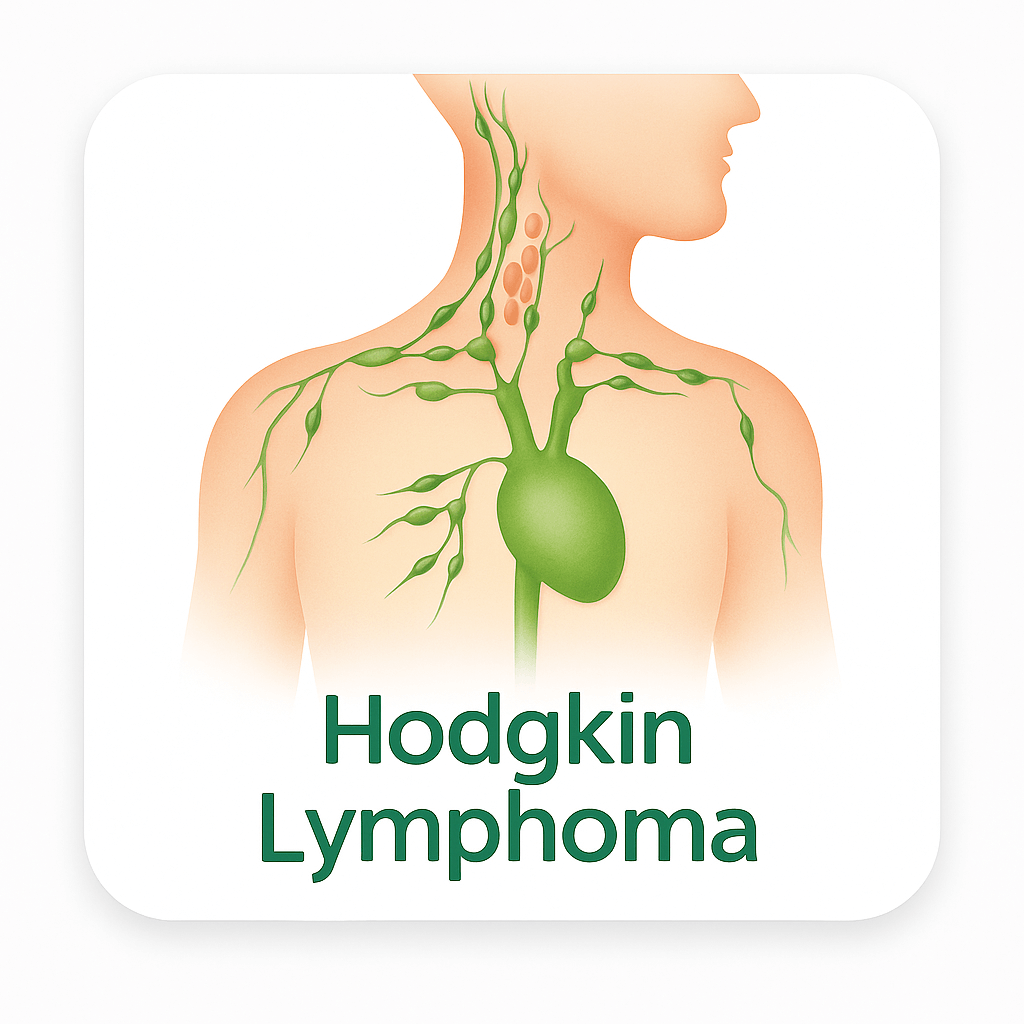
Hodgkin Lymphoma
Main Grouping
Lymphatic
Organ System
Lymphatic system,lymph nodes,spleen,bone marrow,mediastinum
Cell Origin
B lymphocytes, Malignant Hodgkin and Reed-Sternberg (HRS) cells
Pathways Affected
Hodgkin lymphoma involves dysregulation of multiple interconnected signaling pathways centered on NF-kB, JAK/STAT, and MAPK/ERK as the three primary oncogenic axes, all activated constitutively in HRS cells. The NF-kB signaling pathway is the most critical and defining pathogenetic event in classical HL; both canonical and alternative NF-kB pathways are deregulated by genetic alterations of their components or regulators; A20/TNFAIP3 mutations inactivating the major NF-kB suppressor are documented in EBV-negative cHL; NF-kB activation drives inflammatory cytokine and chemokine expression, upregulates anti-apoptotic proteins BCL-2, BCL-XL, and MCL-1, and mediates immune evasion in HRS cells; curcumin and JSH-23 (NF-kB inhibitor) have both been documented to reduce IL-6 secretion from RS-like cells.
The JAK/STAT signaling pathway is aberrantly active in HRS cells through both genetic lesions and paracrine cytokine signaling; 9p24.1 chromosomal amplification drives overexpression of JAK2, PD-L1, and PD-L2, directly linking JAK/STAT activation to CD30-mediated signaling and immune checkpoint evasion through the PD-1/PD-L1 axis; STAT3 and STAT6 are key transcription factors activated in HRS cells driving proliferation and survival gene programs; dietary curcumin and quercetin have documented multi-site activity on the JAK/STAT pathway.
The MAPK/ERK pathway is documented as aberrantly active in Hodgkin disease as a signaling pathway shared by CD30, CD40, and RANK that regulates HRS cell proliferation and survival; MEK/ERK activation is driven by CD30 and CD40 receptor signaling from the reactive microenvironment. The PI3K/AKT/mTOR pathway is additionally activated in HRS cells contributing to survival signaling. The apoptosis pathway is constitutively suppressed in HRS cells despite the pre-apoptotic origin of their B-cell precursors, with NF-kB-driven anti-apoptotic gene expression being the primary mechanism; restoration of apoptosis signaling is a central mechanism of phytochemical activity in HL cell models. The TGF-beta/SMAD pathway is active in the HL tumor microenvironment, driving immune suppression and fibrosis particularly in the nodular sclerosis subtype. The Notch signaling pathway shows high constitutive activity in RS cells and contributes to downregulation of B-cell-defining genes. Wnt/beta-catenin and Hedgehog pathways are aberrantly activated in subsets of cHL, with Wnt/TCF signaling contributing to the profound epigenetic B-cell gene silencing that defines HRS cells. The PD-1/PD-L1 pathway is a central immune evasion mechanism driven by 9p24.1 amplification and is the basis for documented immune checkpoint targeting. The VEGF angiogenesis pathway is active in HL through HRS cell cytokine secretion supporting tumor vascularization.
Description
Hodgkin lymphoma (HL) is one of the most frequently occurring lymphoid malignancies in young people in the Western world, with an annual incidence of approximately 3 cases per 100,000 persons. HL has two distinct age peaks: one in young adults aged 15 to 35 years and a second smaller peak in adults over 55 years. Approximately 8,570 new cases of HL were estimated for the United States in 2023. HL is among the most curable of all cancers, with modern treatment resulting in overall survival rates exceeding 85 to 90 percent for early-stage disease. Despite high curability, a significant proportion of patients experience relapse, and late toxicities from treatment represent an ongoing research focus.
HL is unique among all B cell lymphomas because of the origin of the malignant HRS cells from crippled germinal center B cells that in the course of transformation have lost their B cell phenotype. The disease is characterized by the rarity of malignant HRS cells in the tumor mass — typically representing only 0.1 to 10 percent of total cells — surrounded by an extensive reactive microenvironment of T cells, B cells, plasma cells, eosinophils, neutrophils, and fibroblasts. The HRS cell cytokine secretion pattern recruits this nonneoplastic inflammatory infiltrate, while reciprocal cytokine and chemokine secretion by immune cells in turn supports HRS cell survival and proliferation.
The molecular landscape of HRS cells is defined by constitutive activation of NF-kB as the single most critical pathogenetic event, operating through both canonical and alternative pathways; this occurs through somatic mutations of NF-kB pathway components including A20 (TNFAIP3) and other inhibitors in EBV-negative cases. JAK/STAT signaling pathway, particularly STAT3 and STAT6, is aberrantly active in HRS cells through genetic lesions and paracrine/autocrine cytokine signaling. The MEK/ERK pathway is also aberrantly active in Hodgkin disease and is a signaling pathway shared by CD30, CD40, and RANK that regulates HRS cell proliferation and survival. PI3K/AKT pathway is additionally activated. The 9p24.1 chromosomal locus is recurrently amplified in cHL, leading to overexpression of JAK2, PD-L1, and PD-L2, directly connecting JAK/STAT activation to immune checkpoint evasion.
Curcumin has been documented to reduce IL-6 secretion from Reed-Sternberg-like cells through NF-kB inhibition in a published study of RS cellular senescence biology; a research study (PMC9458090) documented that combining curcumin with doxorubicin reduced growth of Hodgkin lymphoma L-540 cells by 79 percent. Quercetin has been specifically examined for therapeutic potential in lymphoma including Hodgkin's lymphoma through targeting main survival pathways activated in tumor cells, with in vitro and in vivo experimental studies documenting cytotoxic effects on lymphoid cancer cells through cell cycle modulation and apoptosis induction.
Plant-Based Description
Whole-food plant-based dietary patterns provide nutrients and phytochemicals studied in relation to NF-kB constitutive activation, JAK/STAT signaling, MAPK/ERK pathway, apoptosis induction, epigenetic regulation, and immune modulation relevant to Hodgkin lymphoma biology. Curcumin from turmeric has the most directly documented activity in HL cell biology, with NF-kB inhibition in RS-like cells reducing IL-6 secretion in a published study and a combination study documenting 79 percent growth reduction in L-540 Hodgkin lymphoma cells. Quercetin has been specifically reviewed as a therapeutic approach for lymphoma including Hodgkin's lymphoma, with documented cytotoxic effects on lymphoid cancer cells through cell cycle modulation and apoptosis induction. EGCG from green tea and resveratrol from grapes target both NF-kB and JAK/STAT pathways documented as the primary oncogenic axes in HRS cells. Fruits provide anthocyanins, vitamin C, and polyphenols. Vegetables provide sulforaphane, carotenoids, and quercetin. Legumes and whole grains provide fiber and folate. Mushrooms including shiitake and maitake provide beta-glucans with well-documented immune-modulatory properties particularly relevant to the immune-microenvironment biology of HL. Herbs and spices including turmeric, green tea, garlic, ginger, rosemary, and black pepper provide phytochemicals with NF-kB and JAK/STAT inhibitory activity directly relevant to the primary molecular drivers of HRS cell survival.
Plant Chemistry Detail
Curcumin from turmeric is the most directly documented plant phytochemical in Hodgkin lymphoma cell biology. A published study on Reed-Sternberg cellular senescence biology (PMC5287295) demonstrated that NF-kB inhibitors including curcumin reduced IL-6 secretion from RS-like cells, providing direct evidence of NF-kB inhibitory activity in HRS cell inflammatory signaling; this study showed NF-kB activity and NF-kB-dependent cytokines including IL-6, TNF-alpha, and GM-CSF were elevated in RS-like cells, and curcumin reduced this inflammatory output. Additionally, a documented combination study (PMC9458090) found that combining curcumin with doxorubicin reduced growth of Hodgkin lymphoma L-540 cells by 79 percent. Curcumin is a documented inhibitor of both NF-kB and JAK/STAT pathways, the two most critical oncogenic axes in cHL, and also inhibits MAPK/ERK signaling and induces apoptosis through BCL-2 family protein downregulation.
Quercetin has been specifically evaluated for therapeutic potential in Hodgkin's lymphoma in a published review (PMC8352693) documenting that quercetin targets main survival pathways activated in lymphoma tumor cells, with in vitro and in vivo experimental studies demonstrating cytotoxic effects on lymphoid cancer cells through cell-cycle modulation, apoptosis induction, angiogenesis inhibition, and protein kinase C blocking activity; quercetin is also a documented multi-site inhibitor of the JAK-STAT pathway, which is a primary oncogenic pathway in HL. EGCG from green tea inhibits NF-kB, JAK/STAT, and PI3K/AKT pathways, all three of which are constitutively activated in HRS cells; EGCG has documented activity suppressing STAT3 phosphorylation, which is a key transcription factor in HL survival programs. Resveratrol from grapes inhibits NF-kB through multiple mechanisms and additionally inhibits JAK/STAT and MAPK/ERK pathways, targeting all three primary oncogenic axes in HRS cells. Sulforaphane from cruciferous vegetables activates Nrf2 antioxidant response and inhibits NF-kB; NF-kB inhibition is directly relevant to the constitutive NF-kB activation defining HL pathogenesis. Beta-glucans from shiitake, maitake, and other medicinal mushrooms modulate innate immune signaling, TLR signaling, and macrophage polarization, directly relevant to the extensive immune cell-HRS cell crosstalk that characterizes the HL tumor microenvironment. Ellagic acid from pomegranate and berries inhibits NF-kB and promotes apoptosis in lymphoid cancer cell models. Allicin and organosulfur compounds from garlic target NF-kB signaling relevant to HL.
Nutritional Focus
Nutritional focus in Hodgkin lymphoma research is led by curcumin from turmeric, with direct documented activity in RS cell biology: NF-kB inhibition reducing IL-6 secretion from Reed-Sternberg-like cells (PMC5287295), and a combination study documenting 79 percent growth reduction in L-540 HL cells (PMC9458090); quercetin from onions, apples, and kale specifically reviewed as a therapeutic approach for lymphoma including Hodgkin's lymphoma with documented cytotoxic effects on lymphoid cancer cells through cell cycle modulation and apoptosis induction (PMC8352693); EGCG from green tea suppressing STAT3 phosphorylation and NF-kB activity, both constitutively activated in HRS cells; resveratrol from grapes inhibiting all three primary HL oncogenic axes — NF-kB, JAK/STAT, and MAPK/ERK; sulforaphane from cruciferous vegetables inhibiting NF-kB and HDAC activity relevant to HRS cell epigenetic B-cell gene silencing; beta-glucans from shiitake and maitake mushrooms modulating the innate immune signaling and macrophage polarization directly relevant to the immune-cell-HRS-cell crosstalk that defines HL tumor biology; folate from leafy greens and legumes supporting DNA methylation chemistry relevant to the epigenetic reprogramming documented in HRS cell transformation; and selenium from Brazil nuts with documented antioxidant and NF-kB modulating activity in lymphoid cells.
Research Notes
HRS cell origin and molecular biology advances review (Cell Trends Molecular Medicine 2024) documented HRS cells originate from crippled germinal center B cells that lose B-cell phenotype; somatic mutations causing constitutive NF-kB or JAK/STAT pathway activation or immune evasion are frequent and critical pathogenetic events; chromosomal breakpoints affecting immunoglobulin loci are recurrent. HRS cell immunophenotype and genotype review (MDPI Cancers 2025, PMC/17030979 area) documented strong CD30 expression, CD15 positivity, reduced CD20/CD79A/B, partial PAX5 retention, and PD-L1 driven by 9p24.1 amplification; NF-kB, JAK/STAT, and PI3K/AKT pathway alterations through somatic mutations, chromosomal gains, and epigenetic remodeling documented. NF-kB pathway review in HL (PMC9495867) documented constitutive canonical and alternative NF-kB activation through A20/TNFAIP3 mutations and interaction with microenvironment through CD30, CD40, BAFF, RANK, and BCMA; both EBV-positive and EBV-negative mechanisms for NF-kB activation documented. MEK/ERK aberrant activation in Hodgkin disease documented as a signaling pathway shared by CD30, CD40, and RANK (Blood 2003).
Reed-Sternberg cell senescence study (PMC5287295) demonstrated NF-kB activity and NF-kB-dependent cytokines including IL-6, TNF-alpha, and GM-CSF were elevated in RS-like cells; curcumin and JSH-23 reduced IL-6 secretion from RS-like cells, providing documented evidence of curcumin NF-kB inhibitory activity in HRS cell biology. Combination phytochemical therapy review (PMC9458090) documented that combining curcumin with doxorubicin reduced growth of Hodgkin lymphoma L-540 cells by 79 percent. Quercetin as therapeutic approach for lymphoma including Hodgkin's lymphoma review (PMC8352693) documented cytotoxic effects on lymphoid cancer cells through cell cycle modulation, apoptosis induction, angiogenesis inhibition, and protein kinase C blocking activity. JAK-STAT polyphenol review (PMC8447487) documented curcumin and quercetin act on multiple sites of the JAK-STAT pathway to suppress abnormal activation with anti-tumor activity.
Notes Visibility
show
Key Foods
Turmeric,Broccoli,Kale,Spinach,Brussels Sprouts,Cauliflower,Garlic,Yellow Onion,Carrot,Sweet Potato,Tomato,Apple,Blueberry,Pomegranate,Grape,Raspberry,Strawberry,Blackberry,Orange,Soybeans,Edamame,Green Lentils,Black Beans,Chickpeas,Brown Rice,Quinoa,Oats,Wild Rice,Rye Berries,Sorghum,Walnut,Almond,Brazil Nut,Pumpkin Seeds,Flaxseed,Chia Seeds,Sesame Seeds,Hemp Seeds,Shiitake,Maitake,Cremini,Portobello,Lions Mane,Green Tea,Ginger,Black Pepper,Garlic Powder,Parsley,Rosemary,Oregano, Leek,Avocado,Artichoke,Radish,Tangerine, Red Onion
Linked Nutrients
vitamin-c,vitamin-e,vitamin-d3,vitamin-b9,vitamin-b6,vitamin-a,selenium,zinc,magnesium,calcium,potassium,iron,curcumin,quercetin,egcg,resveratrol,sulforaphane,ellagic-acid,beta-carotene,anthocyanins,beta-glucans,plant-ala-omega3,dietary-fiber
Last Updated
2025-10-13 09:43:24

