
ID
25
Cancer Name
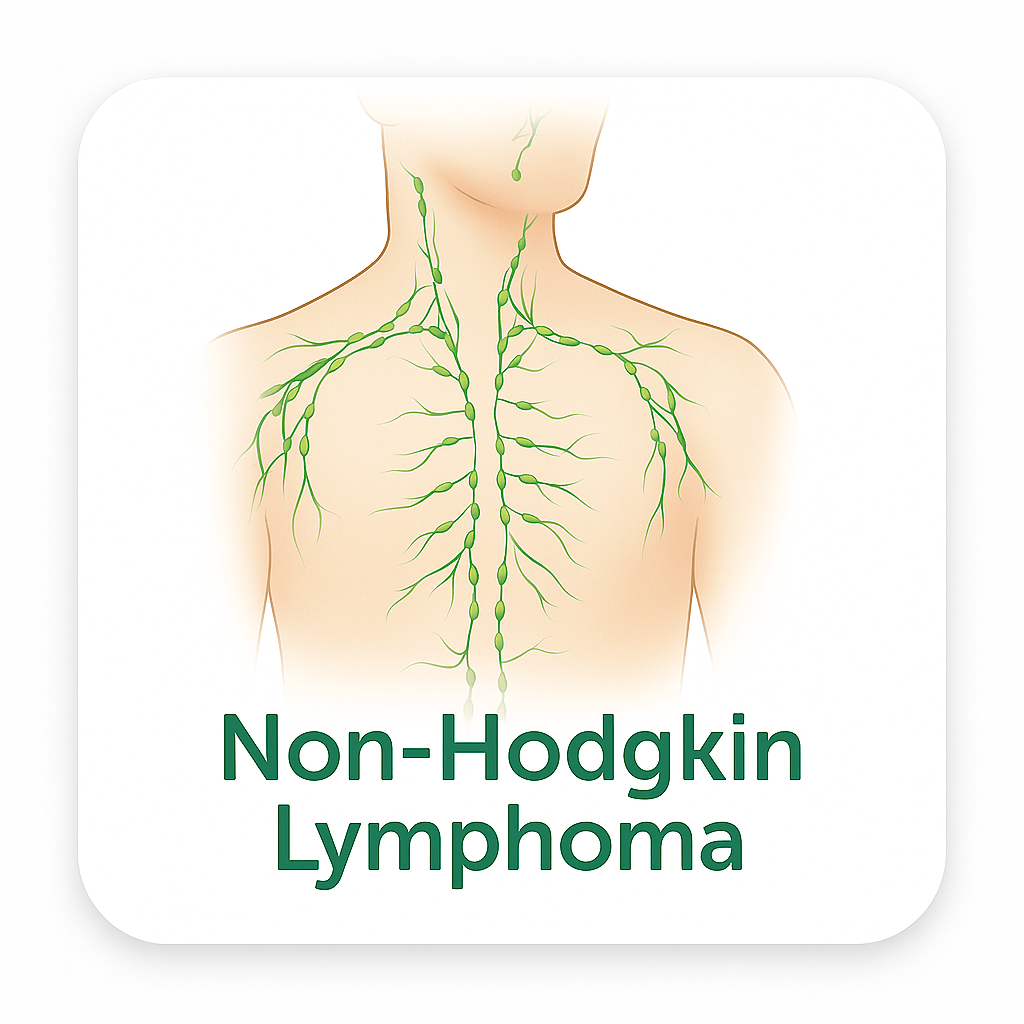
Non-Hodgkin Lymphoma
Main Grouping
Lymphatic
Organ System
Lymphatic system,lymph nodes,spleen,bone marrow,
Cell Origin
B or T lymphocytes
Pathways Affected
Non-Hodgkin lymphoma involves subtype-specific dysregulation of multiple oncogenic signaling pathways, with the dominant pathways differing significantly across the major NHL subtypes. In ABC-DLBCL, constitutive NF-kB pathway activation through chronic active BCR signaling, MYD88 L265P mutations, CD79A/B mutations, and CARD11 mutations is the defining oncogenic axis; NF-kB activation drives anti-apoptotic gene expression including BCL2 family members and drives inflammatory cytokine production supporting malignant B cell survival; quercetin, curcumin, EGCG, and resveratrol all have documented NF-kB inhibitory activity directly relevant to ABC-DLBCL.
The B cell receptor (BCR) signaling pathway is central to both DLBCL subtypes and most B cell NHLs; in ABC-DLBCL chronic active BCR signaling upstream activates NF-kB and PI3K pathways; in follicular lymphoma and other indolent B cell NHLs, BCR signaling maintains malignant B cell survival and proliferation. The PI3K/AKT/mTOR pathway is activated in DLBCL through PTEN loss (particularly in GCB-DLBCL), PIK3CA mutations, and BCR-downstream signaling; PI3K pathway is also activated in follicular lymphoma and mantle cell lymphoma. The apoptosis pathway is suppressed in follicular lymphoma and other B cell NHLs through BCL2 overexpression driven by t(14;18); BCL2 overexpression is present in approximately 85 to 90 percent of follicular lymphomas and is a target of multiple plant phytochemicals including quercetin, curcumin, and EGCG that downregulate BCL2 expression.
The cell cycle pathway is dysregulated through CCND1/cyclin D1 overexpression in mantle cell lymphoma, enabling bypass of the G1/S checkpoint; dietary phytochemicals including quercetin and EGCG induce G1 cell cycle arrest in lymphoma cell models. The MYC pathway is the defining driver in Burkitt lymphoma through t(8;14) and is an adverse prognostic feature when amplified in DLBCL; MYC drives global transcriptional amplification and extreme proliferation. The JAK/STAT pathway, particularly STAT3 and STAT6, is aberrantly activated in both B cell and T cell NHLs; curcumin and quercetin have documented multi-site JAK/STAT inhibitory activity in lymphoma cell models. The WNT/beta-catenin pathway is deregulated in a subset of NHLs including DLBCL; sulforaphane and curcumin inhibit Wnt/beta-catenin in lymphoma cell models. The MAPK/ERK pathway is activated in T cell NHLs and mantle cell lymphoma. The TGF-beta/SMAD pathway mediates immune suppression in the NHL tumor microenvironment. The epigenetic regulatory pathway is central to NHL biology with EZH2 gain-of-function mutations found in approximately 20 to 25 percent of GCB-DLBCL and 10 percent of follicular lymphoma, with DNMT and HDAC inhibitor activity documented for EGCG, quercetin, curcumin, and sulforaphane in lymphoma cell models.
Description
Non-Hodgkin lymphoma (NHL) represents the most common hematologic malignancy and the seventh most common cancer overall in the United States. Approximately 80,550 new cases of NHL were estimated in the United States for 2023, with approximately 20,180 deaths. The overall incidence of NHL has increased substantially over recent decades. NHL encompasses more than 60 distinct subtypes of lymphoid malignancies with markedly different biology, clinical behavior, and prognosis ranging from highly indolent to highly aggressive disease.
The most common NHL subtypes include diffuse large B cell lymphoma (DLBCL) at approximately 30 to 35 percent, follicular lymphoma at approximately 20 percent, marginal zone lymphoma at approximately 8 percent, mantle cell lymphoma at approximately 6 percent, small lymphocytic lymphoma/CLL at approximately 7 percent, and peripheral T cell lymphoma at approximately 7 percent. Each subtype has a distinct cell of origin, molecular driver alterations, and pathway dysregulation profile. The overall 5-year survival for all NHL combined is approximately 73 percent, but ranges from over 90 percent for certain indolent subtypes to below 30 percent for the most aggressive forms.
DLBCL molecular classification by gene expression profiling distinguishes two major subtypes with distinct biology: germinal center B cell-like (GCB) DLBCL defined by BCL2/BCL6 rearrangements and characterized by activation of the PI3K/AKT, PTEN loss, and BCL2 anti-apoptotic pathways; and activated B cell-like (ABC) DLBCL defined by chronic active B cell receptor (BCR) signaling, MYD88 L265P mutations (approximately 29%), CD79A/B mutations, and constitutive NF-kB pathway activation as the dominant oncogenic axis. ABC-DLBCL has significantly worse prognosis than GCB-DLBCL. Follicular lymphoma is characterized by t(14;18) placing BCL2 under immunoglobulin promoter control, driving constitutive BCL2-mediated apoptosis evasion in germinal center B cells; grade 3B FL and transformed FL acquire additional alterations including MYC translocations and TP53 mutations. Mantle cell lymphoma is defined by cyclin D1 overexpression through t(11;14), dysregulating the cell cycle G1/S checkpoint. Burkitt lymphoma is defined by MYC translocation driving extreme proliferative capacity.
Multiple large-scale epidemiological studies have examined dietary factors and NHL risk. The Iowa Women's Health Study examined diet and NHL risk in 35,159 women over approximately 19 years of follow-up, with results published in the International Journal of Cancer (PMID 25178801), and documented statistically significant inverse associations for increased vegetable intake and NHL risk. A systematic review and meta-analysis of 20 prospective studies (PMID 30487225) documented that high vegetable consumption was significantly associated with reduced NHL risk (RR 0.87, 95% CI 0.77-0.98). Multiple epidemiological studies document associations between dietary carotenoid intake and reduced NHL risk, with a 2020 pooled analysis of 12 prospective cohort studies (PMC7456631) documenting significant inverse associations for total carotenoids (RR 0.84) with NHL risk.
Plant-Based Description
Whole-food plant-based dietary patterns provide nutrients and phytochemicals studied in epidemiological and cell biology research in relation to non-Hodgkin lymphoma. Large-scale pooled analyses and meta-analyses of prospective cohort studies document significant inverse associations between vegetable consumption and NHL risk. A pooled analysis of 12 prospective cohort studies (PMC7456631) documented significant inverse associations for total carotenoids (RR 0.84) with NHL risk. Quercetin specifically reviewed for lymphoma therapeutic potential has documented cytotoxic effects on lymphoid cancer cells through cell cycle modulation and apoptosis induction. Curcumin targeting NF-kB, JAK/STAT, and PI3K/AKT pathways has documented anti-lymphoma activity in multiple cell line models. EGCG from green tea inhibits BCL2 and NF-kB with documented apoptosis induction in NHL cell models. Sulforaphane from cruciferous vegetables activates Nrf2 and inhibits HDAC activity relevant to EZH2-driven epigenetic alterations in GCB-DLBCL and follicular lymphoma. Beta-glucans from shiitake, maitake, and oyster mushrooms have documented immune-modulatory and anti-lymphoma activity. Folate from leafy greens and legumes is directly relevant to the epigenetic biology of NHL through DNA methylation pathways. Fruits provide anthocyanins, polyphenols, and carotenoids with documented inverse associations with NHL risk in cohort studies.
Plant Chemistry Detail
Quercetin has been specifically examined for therapeutic potential in lymphoma including non-Hodgkin's lymphoma in a published review (PMC8352693) documenting in vitro and in vivo cytotoxic effects on lymphoid cancer cells through cell cycle modulation, apoptosis induction, angiogenesis inhibition, and protein kinase C blocking activity; quercetin is a documented multi-site inhibitor of NF-kB and JAK/STAT pathways, which are primary oncogenic axes in both ABC-DLBCL and other NHL subtypes; quercetin additionally inhibits PI3K/AKT signaling and induces G1 cell cycle arrest in NHL cell models through CDK inhibitor elevation.
Curcumin from turmeric targets NF-kB (most critical in ABC-DLBCL), JAK/STAT (relevant to all NHL subtypes), PI3K/AKT/mTOR, and BCL2 family anti-apoptotic proteins in lymphoma cell models; curcumin is a documented DNMT inhibitor relevant to the epigenetic alterations central to NHL biology including EZH2 mutations in GCB-DLBCL and follicular lymphoma. EGCG from green tea inhibits BCL2 expression and function directly relevant to the BCL2 overexpression that defines follicular lymphoma through t(14;18) and is present in DLBCL, induces apoptosis in NHL cell lines through mitochondrial pathway activation, and inhibits NF-kB relevant to ABC-DLBCL. A systematic review and meta-analysis of 20 prospective studies on vegetable intake and NHL risk (PMID 30487225) documented that high vegetable consumption was significantly associated with reduced NHL risk (RR 0.87, 95% CI 0.77-0.98). The pooled carotenoid analysis of 12 prospective cohort studies (PMC7456631) documented significant inverse associations for total carotenoid intake and NHL risk (RR 0.84). Sulforaphane from cruciferous vegetables inhibits HDACs and activates Nrf2 antioxidant response, targeting the epigenetic HDAC biology relevant to NHL; sulforaphane induces apoptosis and cell cycle arrest in lymphoma cell models. Resveratrol from grapes inhibits NF-kB, JAK/STAT, and PI3K/AKT pathways and downregulates MYC expression relevant to Burkitt lymphoma and DLBCL with MYC translocation. Anthocyanins from blueberry, blackberry, and pomegranate have documented anti-proliferative and pro-apoptotic activity in lymphoid malignancy cell models through NF-kB inhibition and apoptosis pathway activation. Beta-glucans from shiitake and maitake mushrooms modulate TLR4 and innate immune signaling relevant to the NHL tumor microenvironment.
Nutritional Focus
Nutritional focus in non-Hodgkin lymphoma research includes epidemiological evidence from a meta-analysis of 20 prospective studies documenting that high vegetable consumption was significantly associated with reduced NHL risk (RR 0.87, 95% CI 0.77-0.98, PMID 30487225), and from a pooled analysis of 12 prospective cohort studies documenting significant inverse associations for total carotenoids (RR 0.84) with NHL risk (PMC7456631); quercetin with documented cytotoxic effects on lymphoid cancer cells through cell cycle modulation and apoptosis induction and NF-kB and JAK/STAT inhibition relevant to ABC-DLBCL and other NHL subtypes; curcumin targeting NF-kB (primary in ABC-DLBCL), JAK/STAT, PI3K/AKT, and BCL2 anti-apoptotic signaling across NHL subtypes; EGCG inhibiting BCL2 expression relevant to the BCL2 overexpression defining follicular lymphoma and present in DLBCL, and inducing apoptosis in NHL cell lines; sulforaphane activating Nrf2 and inhibiting HDACs targeting the EZH2-driven epigenetic alterations in GCB-DLBCL (approximately 20-25%) and follicular lymphoma (approximately 10%); resveratrol inhibiting MYC expression relevant to Burkitt lymphoma and MYC-amplified DLBCL; beta-glucans from shiitake and maitake mushrooms modulating innate immune signaling relevant to the NHL tumor microenvironment; and folate from leafy greens and legumes supporting DNA methylation chemistry relevant to the epigenetic biology central to multiple NHL subtypes.
Research Notes
NHL epidemiology documented approximately 80,550 new cases estimated in the United States for 2023 with over 60 distinct subtypes; NHL incidence has increased substantially over recent decades; overall 5-year survival approximately 73 percent with wide range by subtype. DLBCL molecular classification (GCB vs ABC subtypes) published in NEJM 2002 and confirmed by multiple subsequent studies; ABC-DLBCL defined by constitutive NF-kB activation through MYD88 L265P (~29%), CD79A/B mutations, CARD11 mutations, and chronic active BCR signaling with significantly worse prognosis; GCB-DLBCL defined by BCL2/BCL6 rearrangements and PI3K/PTEN loss. Follicular lymphoma t(14;18) placing BCL2 under immunoglobulin heavy chain promoter control documented in approximately 85-90% of FL cases; MCL t(11;14) CCND1 overexpression as pathognomonic driver; EZH2 gain-of-function mutations in 20-25% of GCB-DLBCL and 10% of FL documented.
Meta-analysis of 20 prospective studies (PMID 30487225) documented high vegetable consumption significantly associated with reduced NHL risk (RR 0.87, 95% CI 0.77-0.98, p=0.02). Pooled analysis of 12 prospective cohort studies (PMC7456631) documented significant inverse associations for total carotenoids (RR 0.84, 95% CI 0.73-0.97) with NHL risk and documented positive associations between alcohol intake and NHL risk. Iowa Women's Health Study NHL analysis (PMID 25178801) documented significant protective associations for vegetable intake and NHL risk over 19 years follow-up in 35,159 women. Quercetin lymphoma review (PMC8352693) documented quercetin cytotoxic activity on lymphoid cancer cells including Hodgkin's and non-Hodgkin's lymphoma through cell cycle modulation, apoptosis induction, and NF-kB/JAK-STAT pathway inhibition.
Notes Visibility
show
Key Foods
Broccoli,Kale,Spinach,Brussels Sprouts,Cauliflower,Garlic,Yellow Onion,Carrot,Sweet Potato,Tomato,Turmeric,Apple,Blueberry,Pomegranate,Grape,Raspberry,Strawberry,Blackberry,Orange,Soybeans,Edamame,Green Lentils,Black Beans,Chickpeas,Brown Rice,Quinoa,Oats,Wild Rice,Rye Berries,Sorghum,Walnut,Almond,Brazil Nut,Pumpkin Seeds,Flaxseed,Chia Seeds,Sesame Seeds,Hemp Seeds,Shiitake,Maitake,Cremini,Portobello,Lions Mane,Green Tea,Ginger,Black Pepper,Garlic Powder,Parsley,Rosemary,Oregano, Leek,Avocado,Artichoke,Radish,Tangerine, Red Onion
Linked Nutrients
vitamin-c,vitamin-e,vitamin-d3,vitamin-b9,vitamin-b6,vitamin-a,selenium,zinc,magnesium,calcium,potassium,iron,quercetin,curcumin,egcg,resveratrol,sulforaphane,ellagic-acid,beta-carotene,anthocyanins,beta-glucans,plant-ala-omega3,dietary-fiber
Last Updated
2025-10-13 09:48:09

