ID
44
Cancer Name
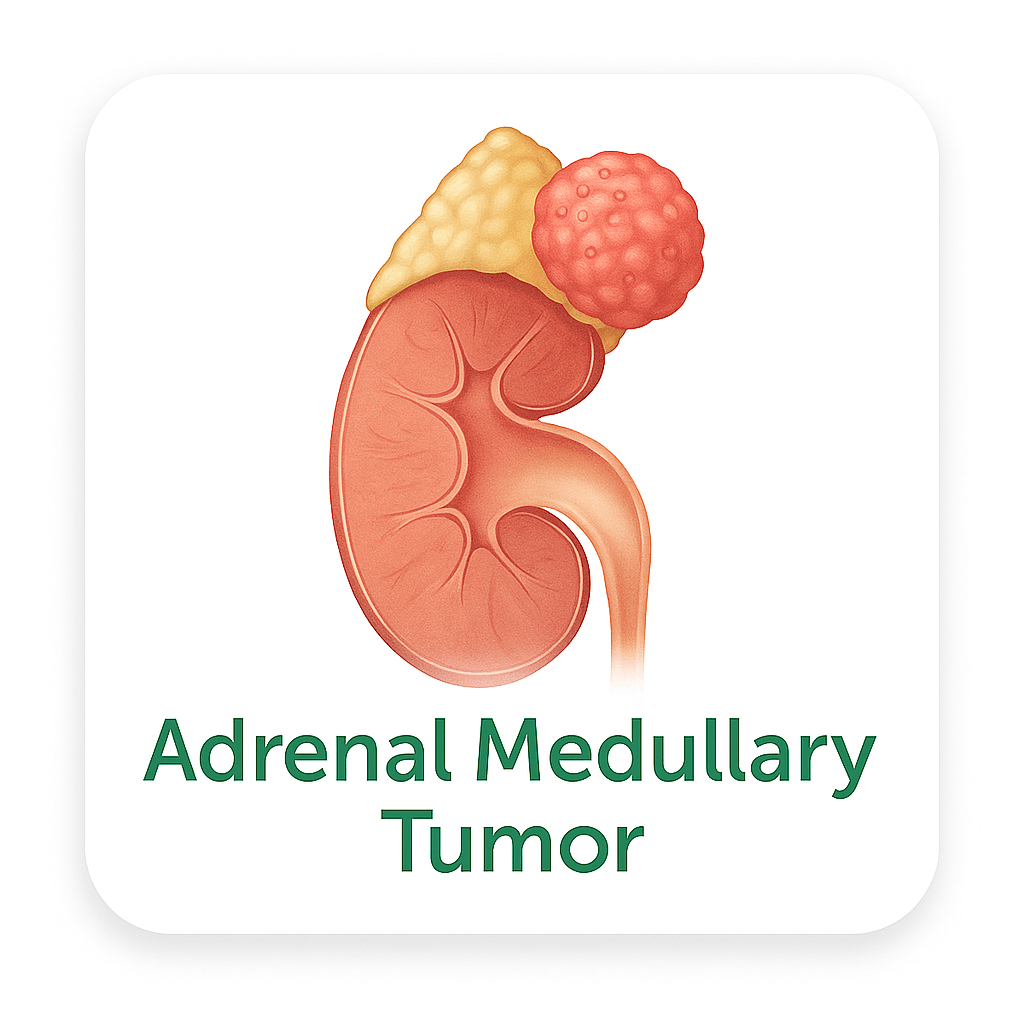
Adrenal Medullary Tumor (Adult Pheochromocytoma-like)
Main Grouping
Endocrine
Organ System
Adrenal Medulla
Cell Origin
Neuroendocrine chromaffin cells
Pathways Affected
Pheochromocytoma involves a complex, heterogeneous molecular pathway landscape organized into three genomic clusters: the dominant two being the pseudohypoxia (Cluster 1: VHL/SDHx) and kinase signaling (Cluster 2: RET/NF1/TMEM127/MAX) pathways, with these two clusters accounting for the majority of all germline and somatic PPGL driver mutations.
The HIF-1alpha/hypoxia pseudohypoxia pathway is the defining molecular feature of Cluster 1 PPGLs (VHL and SDHx mutations, approximately 30 to 40 percent of PPGLs): VHL loss-of-function mutations eliminate the VHL E3 ubiquitin ligase-mediated proteasomal degradation of HIF-1alpha and HIF-2alpha under normoxic conditions, causing constitutive HIF transcriptional activation; SDHx (SDHA, SDHB, SDHC, SDHD, SDHAF2) loss-of-function mutations impair succinate dehydrogenase (Complex II of the electron transport chain) causing succinate accumulation, which competitively inhibits prolyl hydroxylase domain (PHD) enzymes preventing HIF hydroxylation and VHL-mediated degradation, thereby stabilizing HIF-1alpha/HIF-2alpha even in normoxic conditions; HIF-1alpha/HIF-2alpha transcriptionally activate VEGF (angiogenesis), GLUT1 (glucose uptake), PDK1 (pyruvate dehydrogenase kinase, shifting metabolism toward glycolysis), EPO, and numerous other hypoxia-responsive genes; curcumin and quercetin both inhibit HIF-1alpha stabilization and VEGF expression in neuroendocrine tumor models.
The MAPK/ERK kinase signaling pathway is the dominant oncogenic axis in Cluster 2 PPGLs: RET gain-of-function mutations activate RAS/RAF/MEK/ERK and PI3K/AKT/mTOR; NF1 loss-of-function mutations remove the GAP (GTPase-activating protein) brake on RAS, causing constitutive RAS-GTP/MAPK activation; HRAS somatic gain-of-function mutations (the most common somatic PPGL driver) directly activate RAS/RAF/MEK/ERK and PI3K/AKT; TMEM127 loss-of-function mutations derepress mTORC1/mTORC2 signaling; MAX loss-of-function mutations dysregulate MYC-MAX transcription factor balance driving MYC-mediated oncogenic transcription; quercetin inhibits RAS downstream MAPK/ERK and PI3K/AKT signaling in neuroendocrine tumor models. The PI3K/AKT/mTOR pathway is constitutively activated in Cluster 2 PPGLs through RET, NF1, TMEM127, and HRAS mutations; mTORC1 drives protein synthesis and chromaffin cell proliferation; curcumin and EGCG inhibit PI3K/AKT and mTOR in neuroendocrine tumor cell models. The oxidative stress/ROS pathway is uniquely central to PHEO biology: chromaffin cells generate significant reactive oxygen species (ROS) through catecholamine oxidative metabolism (via monoamine oxidase and dopamine beta-hydroxylase), and SDHx mutations impair electron transport chain Complex II increasing ROS production; quercetin was documented to reduce intracellular ROS, MDA, and lipoperoxidation, and restore CAT, SOD, and GSH-Px antioxidant enzyme activity in rat pheochromocytoma PC-12 cells (PMC6152301); resveratrol was documented to alleviate oxidative stress-induced damage in PC-12 pheochromocytoma cells. The apoptosis pathway is modulated in PHEO through Bcl-2 family counter-regulation; quercetin significantly increased Bcl-2 expression and reduced Bax, cleaved caspase-3, and p53 expressions in PC-12 pheochromocytoma cells (PMC6152301). The dopamine/norepinephrine/epinephrine catecholamine biosynthesis pathway is the defining metabolic feature of functional PPGLs: chromaffin cell catecholamine synthesis proceeds from tyrosine through DOPA, dopamine, norepinephrine, to epinephrine via the sequential action of tyrosine hydroxylase (TH), DOPA decarboxylase, dopamine beta-hydroxylase (DBH), and phenylethanolamine N-methyltransferase (PNMT); the phenotype of catecholamine secretion is genotype-dependent (VHL/SDHx: predominantly norepinephrine; RET/NF1: norepinephrine and epinephrine; MEN2: epinephrine; HRAS: dopamine). The Nrf2 antioxidant response pathway is directly relevant to PHEO through the high ROS environment of catecholamine-secreting chromaffin cells; sulforaphane is the most potent dietary Nrf2/ARE activator, inducing HO-1, NQO1, GCS, and other cytoprotective enzymes relevant to the oxidative biology of the PHEO tumor microenvironment. The NF-kB inflammatory pathway is activated in malignant PPGL through TNF-alpha, IL-6, and RAS downstream signaling; curcumin and quercetin inhibit NF-kB in neuroendocrine tumor models. The VEGF angiogenesis pathway is strongly activated in Cluster 1 (VHL/SDHx) PPGLs through HIF-1alpha/HIF-2alpha transcriptional upregulation of VEGF; quercetin and curcumin inhibit VEGF in neuroendocrine tumor cell models. The TGF-beta/SMAD pathway contributes to PPGL tumor microenvironment immunosuppression.
Description
Pheochromocytoma (PHEO) is a catecholamine-secreting neuroendocrine tumor of the adrenal medulla arising from chromaffin cells of neural crest origin. Paraganglioma (PGL) is the extra-adrenal counterpart arising from sympathetic paraganglia. The collective designation pheochromocytoma/paraganglioma (PPGL) encompasses both tumor types. PPGLs have an estimated annual incidence of approximately 2 to 8 cases per million population in the United States and approximately 500 to 1,600 new cases per year. PPGLs account for 0.1 to 0.6 percent of cases of hypertension investigated. The WHO 2022 classification designates all PPGLs as having some metastatic potential, with malignant disease (defined by metastases to non-chromaffin tissue) occurring in approximately 10 to 17 percent of PHEOs, 15 to 35 percent of extra-adrenal PGLs, and 31 to 71 percent of SDHB-mutated PPGLs. The 5-year survival for localized PHEO exceeds 95 percent; for metastatic PPGL the 5-year survival rate is approximately 40 to 50 percent.
The dominant clinical presentation of biochemically functional PPGLs is caused by excessive catecholamine secretion: episodic hypertension (sustained or paroxysmal) occurs in the majority of patients; the classic triad of headache, palpitations, and diaphoresis (sweating attacks) occurs in approximately 40 to 50 percent of symptomatic patients and has high positive predictive value; other catecholamine-excess features include pallor, anxiety, flushing, tremor, weight loss, and hyperglycemia; complications from chronic catecholamine excess include hypertensive crises, cardiomyopathy, stroke, and renal failure.
Approximately 25 to 40 percent of PPGLs are associated with known hereditary syndromes caused by germline mutations: MEN2A and MEN2B (RET proto-oncogene mutations) associated with adrenal PHEO in approximately 50 percent of MEN2A patients; Von Hippel-Lindau disease (VHL mutations) with PHEO occurring in approximately 10 to 20 percent of VHL patients; neurofibromatosis type 1 (NF1 loss-of-function mutations) with PHEO in approximately 0.1 to 5.7 percent of NF1 patients; hereditary paraganglioma syndromes caused by SDHx subunit gene mutations; TMEM127 mutations causing familial adrenal PHEO; and MAX mutations causing familial bilateral adrenal PHEO. Somatic (non-inherited) mutations are found in approximately 14 to 17 percent of sporadic PPGLs, with HRAS being the predominant somatic driver; NF1, VHL, RET, and ATRX somatic mutations are also found in sporadic cases.
The genomic classification divides PPGLs into three clusters: Cluster 1 (pseudohypoxia; VHL/SDHx) activates HIF-1alpha/HIF-2alpha leading to angiogenesis, pseudohypoxia signaling, and Warburg-type metabolic reprogramming; Cluster 2 (kinase signaling; RET/NF1/TMEM127/MAX) activates RAS/MAPK/ERK and PI3K/AKT/mTOR pathways driving chromaffin cell proliferation and survival; Cluster 3 (Wnt signaling; CSDE1/MAML3) activates Wnt/beta-catenin transcriptional programs. Published laboratory research documents quercetin with direct protective activity in rat pheochromocytoma PC-12 cells (PMC6152301), reducing oxidative stress, restoring antioxidant enzyme activity (CAT, SOD, GSH-Px), increasing Bcl-2 expression, and reducing Bax, cleaved caspase-3, and p53 expression in PC-12 pheochromocytoma cells.
Plant-Based Description
Whole-food plant-based dietary patterns provide nutrients and phytochemicals with documented activity relevant to adrenal medullary pheochromocytoma through direct activity in the rat pheochromocytoma PC-12 cell line, which is the established standard laboratory model for pheochromocytoma research: quercetin in PC-12 pheochromocytoma cells reduced oxidative stress (ROS, MDA, lipoperoxidation), restored antioxidant enzyme activity (CAT, SOD, GSH-Px), increased Bcl-2, and reduced Bax, cleaved caspase-3, and p53 expressions (PMC6152301) directly targeting the ROS and apoptosis pathways uniquely central to PHEO biology; resveratrol also documented protective activity in PC-12 pheochromocytoma cells through Akt/p38 MAPK signaling; curcumin inhibits HIF-1alpha and VEGF targeting the pseudohypoxia pathway of Cluster 1 PHEO; sulforaphane activates Nrf2/ARE antioxidant response pathways relevant to high-ROS catecholamine-producing chromaffin cell environments; EGCG inhibits PI3K/AKT and mTOR targeting Cluster 2 PHEO kinase signaling pathways.
Plant Chemistry Detail
Quercetin from yellow onions and kale has the most directly documented activity in rat pheochromocytoma PC-12 cells. A published study (PMC6152301) documented quercetin in rat PC-12 pheochromocytoma cells: quercetin pretreatment exhibited increased cell viability and reduced lactate dehydrogenase (LDH) release confirmed by LDH cytotoxicity assay following hydrogen peroxide exposure; quercetin pretreatment significantly alleviated intracellular reactive oxygen species (ROS), malondialdehyde (MDA), and lipoperoxidation of the PC-12 cell membrane induced by H2O2; quercetin pretreatment markedly reduced apoptosis of PC-12 cells confirmed by flow cytometry; quercetin pretreatment significantly attenuated the H2O2-induced inhibition of antioxidant enzyme catalase (CAT), superoxide dismutase (SOD), and glutathione peroxidase (GSH-Px) in PC-12 cells, restoring these key antioxidant enzymes; quercetin pretreatment significantly increased Bcl-2 expression and reduced Bax, cleaved caspase-3, and p53 expressions confirmed by western blotting; the study concluded that quercetin exhibited a protective effect against oxidative stress-induced apoptosis in PC-12 pheochromocytoma cells through the P53 and caspase-3 pathways; these molecular targets directly address the elevated ROS environment in chromaffin cell pheochromocytoma driven by catecholamine oxidative metabolism and SDHx-mutation-driven Complex II impairment.
Resveratrol was documented to protect PC-12 rat pheochromocytoma cells from oxidative stress through Akt/p38 MAPK signaling, reducing growth inhibition and apoptosis and suppressing inflammation and oxidative stress, with reduced TNF-alpha, IL-6, and MDA and restored SOD in PC-12 pheochromocytoma cells (PubMed 29434742). Resveratrol also alleviated iron ion and t-butyl hydroperoxide-induced oxidative stress in PC-12 pheochromocytoma cells (PMC11050349). Curcumin from turmeric inhibits HIF-1alpha stabilization, HIF-2alpha/EPAS1 transcriptional activity, and VEGF expression directly targeting the pseudohypoxia pathway dominant in Cluster 1 (VHL/SDHx) PPGLs; curcumin additionally inhibits NF-kB, PI3K/AKT, MAPK/ERK, and Bcl-2 in neuroendocrine tumor cell models. EGCG from green tea inhibits PI3K/AKT, mTOR, and HIF-1alpha, targeting both Cluster 1 and Cluster 2 PHEO pathways; EGCG also inhibits VEGF secretion driven by HIF-1alpha in VHL/SDHx mutated tumor models. Sulforaphane from cruciferous vegetables activates Nrf2/ARE, inducing HO-1, NQO1, GCS, and glutathione biosynthesis enzymes, directly relevant to the high-ROS catecholamine-producing chromaffin cell environment; sulforaphane also inhibits HIF-1alpha through Nrf2-independent mechanisms relevant to Cluster 1 pseudohypoxia PPGLs. Apigenin from parsley inhibits mTOR and PI3K/AKT signaling in neuroendocrine tumor cell models targeting TMEM127/MAX Cluster 2 PHEO. Allicin and diallyl disulfide from garlic inhibit MAPK/ERK and RAS-driven proliferative signaling relevant to HRAS-mutated sporadic PHEO and NF1 pathway-driven Cluster 2 PHEO. Kaempferol from kale and broccoli inhibits mTOR and angiogenesis/VEGF in neuroendocrine tumor models. Luteolin inhibits HIF-1alpha and VEGF in neuroendocrine tumor models targeting Cluster 1 pseudohypoxia PPGLs.
Nutritional Focus
Nutritional focus in adrenal medullary pheochromocytoma research is led by quercetin from yellow onions with the most directly documented activity in the rat pheochromocytoma PC-12 cell line — the established standard laboratory model for PHEO research: a published study (PMC6152301) documented quercetin pretreatment in rat PC-12 pheochromocytoma cells increasing cell viability and reducing LDH release confirmed by LDH assay; significantly alleviating intracellular ROS, MDA, and lipoperoxidation; markedly reducing apoptosis confirmed by flow cytometry; significantly restoring antioxidant enzyme catalase (CAT), superoxide dismutase (SOD), and glutathione peroxidase (GSH-Px) activity reduced by oxidative stress; and significantly increasing Bcl-2 expression while reducing Bax, cleaved caspase-3, and p53 expressions confirmed by western blotting, protecting PC-12 pheochromocytoma cells against oxidative stress-induced apoptosis through the p53 and caspase-3 pathways — directly targeting the elevated ROS environment created by catecholamine oxidative metabolism and SDHx Complex II impairment in PHEO; resveratrol documented to protect PC-12 pheochromocytoma cells from oxidative stress-associated death via Akt/p38 MAPK signaling with reduced TNF-alpha, IL-6, MDA, and restored SOD; curcumin from turmeric inhibiting HIF-1alpha and VEGF targeting the pseudohypoxia pathway in Cluster 1 (VHL/SDHx) PPGLs and inhibiting NF-kB, PI3K/AKT, and MAPK/ERK; EGCG from green tea inhibiting PI3K/AKT, mTOR, and HIF-1alpha targeting both Cluster 1 and Cluster 2 PHEO pathways; sulforaphane from cruciferous vegetables activating Nrf2/ARE and inducing HO-1, NQO1, and glutathione biosynthesis enzymes directly relevant to the high-ROS chromaffin cell catecholamine-producing environment; allicin and diallyl disulfide from garlic inhibiting MAPK/ERK and RAS-driven signaling targeting NF1/HRAS-driven Cluster 2 PHEO; and selenium from Brazil nuts and whole grains supporting glutathione peroxidase (selenoprotein) antioxidant defense in ROS-generating catecholamine-producing chromaffin cells.
Research Notes
PHEO/PPGL epidemiology: approximately 2-8 cases per million annually; approximately 500-1,600 new US cases/year; accounts for 0.1-0.6% of hypertension cases; WHO 2022 classifies all PPGLs as having metastatic potential. Metastatic PHEO ~10-17%; extra-adrenal PGL ~15-35%; SDHB-mutated PPGL 31-71%. 5-year OS: localized PHEO >95%; metastatic PPGL approximately 40-50%. Germline mutations in ~25-40% of all PPGLs. Cluster 1 (VHL/SDHx): HIF-1alpha/HIF-2alpha pseudohypoxia; high VEGF/angiogenesis; succinate accumulation inhibits PHD; predominantly norepinephrine secretion. Cluster 2 (RET/NF1/TMEM127/MAX/HRAS): kinase signaling RAS/MAPK/ERK and PI3K/AKT/mTOR; SDHB highest malignancy risk; HRAS somatic most common sporadic driver. Catecholamine biosynthesis pathway: tyrosine → TH → L-DOPA → DDC → dopamine → DBH → norepinephrine → PNMT → epinephrine. Key biomarkers: plasma/urine fractionated metanephrines and catecholamines. PC-12 is standard rat pheochromocytoma cell line for laboratory research.
Quercetin PC-12 PHEO cells (PMC6152301): increased cell viability; reduced LDH; alleviated ROS/MDA/lipoperoxidation; restored CAT/SOD/GSH-Px; reduced apoptosis; increased Bcl-2; reduced Bax/cleaved caspase-3/p53; mechanism: p53 and caspase-3 pathways. Resveratrol PC-12 (PubMed 29434742): Akt/p38 MAPK signaling; reduced TNF-alpha/IL-6/MDA; restored SOD.
Notes Visibility
show
Key Foods
Quercetin-Rich Onion,Kale,Broccoli,Turmeric,Spinach,Brussels Sprouts,Cauliflower,Garlic,Carrot,Tomato,Beetroot,Grape,Blueberry,Pomegranate,Raspberry,Strawberry,Apple,Orange,Lemon,Soybeans,Edamame,Green Lentils,Black Beans,Chickpeas,Brown Rice,Quinoa,Oats,Wild Rice,Black Rice,Walnut,Almond,Brazil Nut,Flaxseed,Pumpkin Seeds,Chia Seeds,Sesame Seeds,Hemp Seeds,Shiitake,Maitake,Cremini,Portobello,Lions Mane,Green Tea,Ginger,Black Pepper,Garlic Powder,Parsley,Rosemary,Oregano, Celery, Leek,Avocado,Artichoke,Radish,Tangerine, Red Onion
Linked Nutrients
vitamin-c,vitamin-e,vitamin-d3,vitamin-b9,vitamin-b6,vitamin-a,selenium,zinc,magnesium,calcium,potassium,iron,quercetin,curcumin,resveratrol,egcg,sulforaphane,allicin,beta-carotene,anthocyanins,beta-glucans,dietary-fiber,plant-ala-omega3
Last Updated
2025-10-13 09:58:15