
ID
61
Cancer Name
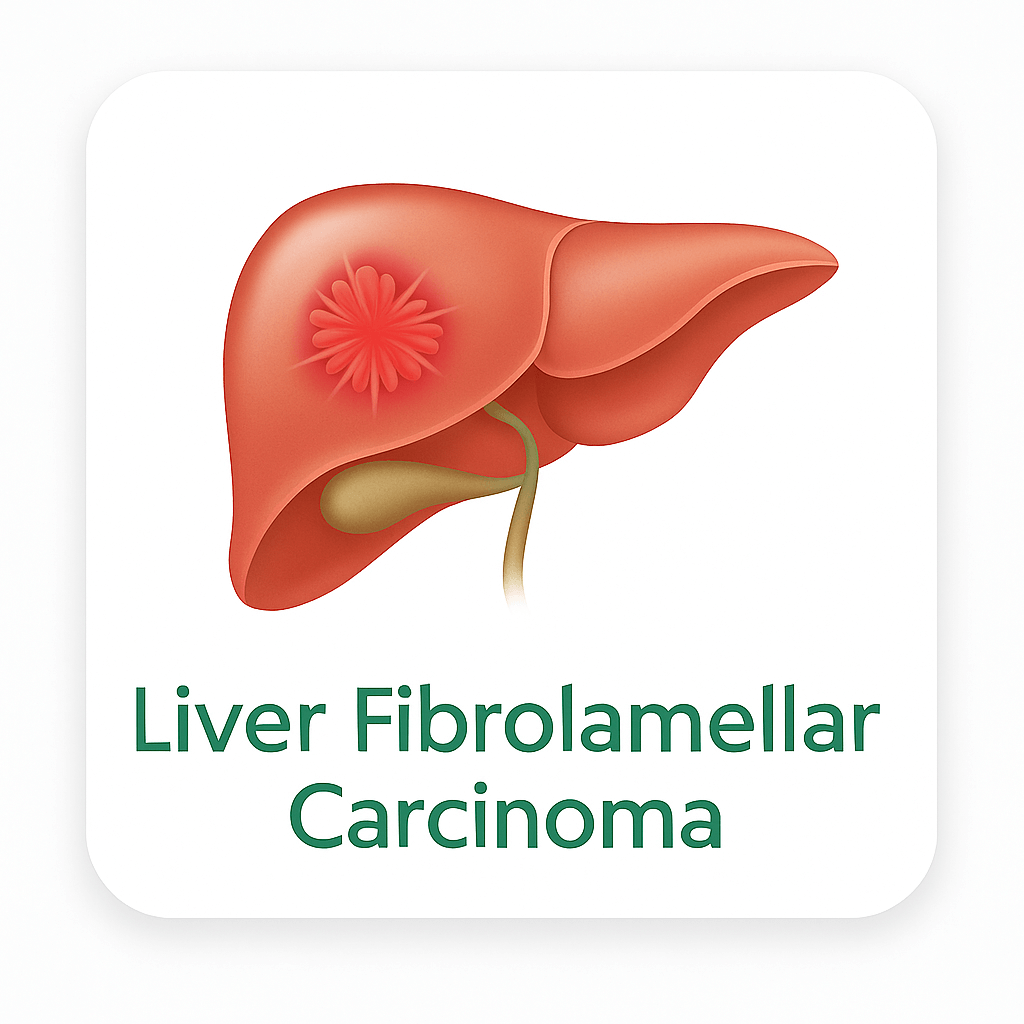
Liver Fibrolamellar Carcinoma
Main Grouping
Digestive
Organ System
Liver
Cell Origin
Hepatocytes (fibrolamellar subtype)
Pathways Affected
Fibrolamellar carcinoma involves a pathway landscape dominated by the DNAJB1-PRKACA fusion kinase driving constitutive cAMP-independent PKA signaling, the CREB/neuroendocrine transcriptional program downstream of PRKACA, Wnt/beta-catenin pathway activation through DNAJB1-PRKACA/beta-catenin interaction, mTOR/PI3K/AKT pro-survival signaling, AMPK energy sensing, and collagen/extracellular matrix remodeling creating the characteristic lamellar fibrosis.
The DNAJB1-PRKACA/PKA/CREB pathway is the singular dominant oncogenic driver of FLC: the approximately 400 kb chromosome 19q13.2 deletion creates the DNAJB1-PRKACA fusion which encodes a chimeric kinase retaining the complete PRKACA catalytic domain with the J-domain of DNAJB1; the fusion protein is expressed at higher levels than wild-type PRKACA; the DNAJB1-PRKACA fusion generates cAMP-independent PKA signaling — bypassing the normal regulatory subunit (PRKAR1A/PRKAR2A) requirement for PKA activation; constitutive PKA signaling phosphorylates CREB (cAMP response element-binding protein) at Ser133 creating constitutive CREB transcriptional activity; CREB drives a FLC-specific gene expression program including neurotensin (NT) production (elevated serum neurotensin is a clinical biomarker of FLC), neuroendocrine marker expression (CD68/macrophage marker, EpCAM, CK7/CK19), and stem/progenitor cell transcriptional programs; PRKAR1A and PRKAR2A loss-of-function mutations in a subset of FLC-like tumors amplify constitutive PKA signaling by removing regulatory subunit repression; the DNAJB1-PRKACA interaction with beta-catenin was confirmed in published research driving Wnt/beta-catenin target gene activation; curcumin inhibits CREB phosphorylation and PKA downstream signaling in cancer cell models; quercetin inhibits CREB-dependent transcription in cancer cell models.
The Wnt/beta-catenin pathway is activated in FLC through direct DNAJB1-PRKACA/beta-catenin molecular interaction confirmed in research (PMC from biorxiv): the DNAJB1-PRKACA fusion kinase interacts with and phosphorylates beta-catenin, driving its nuclear translocation and Wnt target gene transcription (MYC, Cyclin D1, AXIN2); this Wnt/beta-catenin interaction is distinct from the typical APC/CTNNB1 mutation-driven Wnt activation seen in conventional HCC; curcumin inhibits Wnt/beta-catenin signaling through downregulation of beta-catenin, DVL, cyclin D1, and MYC confirmed in HCC cell models in published research; quercetin inhibits Wnt/beta-catenin through beta-catenin reduction in liver cancer cell models; resveratrol inhibits Wnt/beta-catenin in HCC cell models.
The AMPK/mTOR/PI3K/AKT pathway is activated in FLC through downstream effects of the DNAJB1-PRKACA fusion: the constitutive PKA/CREB signaling from DNAJB1-PRKACA drives downstream mTORC1 activation through modulation of AMPK-mTOR balance and through insulin/IGF-1 receptor signaling crosstalk; mTORC1 drives the massive ribosome biogenesis and protein synthesis reflected in the prominent large nucleoli of FLC cells; mTOR pathway activation is a shared feature of FLC and SCLC-type neuroendocrine tumors; curcumin was confirmed to inhibit HepG2 HCC cell growth through AMPK pathway-mediated autophagy and p53-pathway apoptosis confirmed by MTT, flow cytometry, and TEM (PMC9381327) — targeting the AMPK/mTOR axis relevant to FLC; quercetin inhibits PI3K/AKT/mTOR in HCC cells confirmed by Western blot (PMC12065022) targeting the mTOR pathway constitutively activated by the DNAJB1-PRKACA fusion.
The collagen/extracellular matrix remodeling pathway creates the characteristic lamellar fibrosis that is the defining histological feature of FLC: stellate cells in the FLC tumor microenvironment produce abundant collagen I and collagen IV lamellae surrounding FLC cell nests; SMAD4/TGF-beta signaling drives stellate cell activation and collagen synthesis in the FLC stromal compartment; collagen prolyl 4-hydroxylase (P4HA2) expression is elevated in liver tumors and contributes to collagen deposition; quercetin was confirmed to downregulate P4HA2 expression in HCC cells (PMC12065022) — directly targeting the collagen prolyl 4-hydroxylation required for fibrotic collagen maturation in the FLC lamellar fibrosis; sulforaphane inhibits TGF-beta/SMAD-driven fibrosis in liver cell models.
Description
Fibrolamellar hepatocellular carcinoma (FLC) is an exceptionally rare primary liver malignancy, accounting for approximately 1 to 5 percent of all hepatocellular carcinoma diagnoses globally. In the United States, approximately 200 to 500 new FLC cases are diagnosed annually, making it one of the rarest liver malignancies. Globally, FLC accounts for an estimated 2,000 to 3,000 new cases annually. FLC has a unique demographic profile that distinguishes it fundamentally from conventional HCC: it predominantly affects adolescents and young adults (median age approximately 20 to 25 years, age range 5 to 55 years at diagnosis), affects both sexes approximately equally (slight female predominance reported in some series), and arises in a non-cirrhotic, otherwise healthy liver without known risk factors including without association with chronic liver disease or alcohol.
The overall 5-year relative survival for FLC is approximately 32 to 45 percent for all stages combined: resectable FLC (approximately 50 to 65% of cases at presentation) has a 5-year overall survival of approximately 60 to 70 percent after complete resection; unresectable or recurrent FLC has a 5-year survival of approximately 10 to 20 percent; recurrence after resection occurs in approximately 50 to 80 percent of cases within 5 years; median overall survival for FLC is approximately 32 to 45 months. FLC has a more favorable prognosis compared to conventional HCC per stage, largely because it occurs in younger patients without underlying liver dysfunction and is typically resectable at diagnosis; however, recurrence remains a dominant challenge.
The molecular biology of FLC is essentially defined by a single somatic alteration: the approximately 400 kilobase deletion on chromosome 19q13.2 creating the DNAJB1-PRKACA fusion that occurs in approximately 79 to 100 percent of all FLC cases confirmed across multiple genomic sequencing studies; the fusion is not found in any other cancer type or in surrounding normal liver tissue; a 2024 multi-omics analysis (Nature Communications) of 1,412 liver tumors confirmed DNAJB1-PRKACA as the defining event of FLC and characterized FLC-like tumors with other PKA pathway alterations; secondary mutations are rare — BAP1 mutations, PRKAR2A loss, CDK1 amplification, and occasional SMAD4 loss; FLC has a remarkably low somatic mutation burden (typically fewer than 5 driver mutations total).
Published laboratory research documents curcumin inhibiting HepG2 hepatocellular carcinoma cell growth through promotion of apoptosis via the p53 pathway and autophagy through the AMPK pathway — confirmed by MTT viability assay, flow cytometry apoptosis detection, and transmission electron microscopy autophagy visualization (PMC9381327); this research is relevant to FLC because the DNAJB1-PRKACA fusion kinase activates downstream PI3K/AKT/mTOR and AMPK signaling; additionally curcumin inhibits Wnt/beta-catenin signaling — the beta-catenin interaction pathway documented for the DNAJB1-PRKACA fusion kinase; and quercetin from onions induces apoptosis and autophagy in hepatocellular carcinoma cells through inhibiting PI3K/AKT/mTOR and downregulating P4HA2 (collagen prolyl 4-hydroxylase, relevant to FLC's characteristic dense lamellar collagen fibrosis) confirmed in published research (PMC12065022).
Plant-Based Description
Whole-food plant-based dietary patterns provide phytochemicals with documented activity in hepatocellular carcinoma cell lines targeting the dominant pathways activated by the DNAJB1-PRKACA fusion kinase in fibrolamellar carcinoma. Curcumin from turmeric inhibited HepG2 hepatocellular carcinoma cell growth by promoting apoptosis through the p53 pathway and autophagy through the AMPK pathway confirmed by MTT viability assay, flow cytometry apoptosis detection, and transmission electron microscopy autophagy visualization — directly targeting the AMPK/mTOR axis activated downstream of the DNAJB1-PRKACA fusion kinase (PMC9381327); quercetin from onions and kale induced apoptosis and autophagy in hepatocellular carcinoma cells through inhibiting PI3K/AKT/mTOR and downregulating P4HA2 (collagen prolyl 4-hydroxylase) — relevant to both the mTOR-driven proliferative program and the lamellar collagen fibrosis characteristic of FLC (PMC12065022); curcumin and quercetin both inhibit Wnt/beta-catenin signaling targeting the documented DNAJB1-PRKACA/beta-catenin interaction driving FLC's Wnt program; EGCG inhibits STAT3, VEGF/HIF-1alpha, and mTOR in HCC cell models; resveratrol inhibits Wnt/beta-catenin, NF-kB, and activates SIRT1/AMPK in HCC cell models.
Plant Chemistry Detail
Curcumin from turmeric has confirmed anti-HCC cell line activity in a published network pharmacology and experimental validation study (PMC9381327) using HepG2 hepatocellular carcinoma cells: curcumin inhibited HepG2 cell growth confirmed by MTT viability assay at doses of 0, 20, 40, and 60 μmol/L for 24 hours in a dose-dependent manner (normal liver LO2 cells were used as comparison); apoptosis of HepG2 cells was detected by flow cytometry and confirmed increased significantly after curcumin treatment (p<0.05); autophagy was visualized by transmission electron microscopy confirming autophagosome formation; the study identified p53 pathway and AMPK pathway as the confirmed mechanisms by which curcumin inhibits HCC cells; inhibitor pretreatment experiments confirmed that both the p53 pathway and AMPK pathway mediated curcumin's anti-HCC activity; this directly targets the AMPK/mTOR balance that is modulated downstream of the DNAJB1-PRKACA fusion kinase constitutive PKA/CREB signaling in FLC.
In a second confirmed study (PMC10276545) using HepG2 HCC cells: curcumin significantly increased the apoptosis ratio of HepG2 cells confirmed (p<0.05); curcumin downregulated STAT3, VEGF, and HIF-1alpha expression in HepG2 cells confirmed by immunostaining — directly targeting the STAT3/VEGF/HIF-1alpha pro-survival and angiogenic program; curcumin inhibited migration in HepG2 cells confirmed by wound healing scratch assay; cyclin-A1, cyclin-B1, and Bcl-2 downregulation confirmed while Bax and Caspase-3 upregulation confirmed.
Quercetin from onions and kale was confirmed in a published study (PMC12065022) using HCC cells: quercetin induced apoptosis and autophagy in HCC cells through inhibiting PI3K/AKT/mTOR pathway confirmed by Western blot — directly targeting the mTOR pathway constitutively activated downstream of the DNAJB1-PRKACA fusion kinase; quercetin downregulated P4HA2 (collagen prolyl 4-hydroxylase 2) expression — directly relevant to FLC's characteristic lamellar collagen fibrosis that requires P4HA2-mediated prolyl hydroxylation of collagen chains for fibrotic lamellar band formation; quercetin induced caspase-mediated apoptosis in HCC cells confirmed. EGCG from green tea inhibits STAT3 phosphorylation, VEGF, and HIF-1alpha in HCC cell models and inhibits mTOR/PI3K/AKT; resveratrol inhibits Wnt/beta-catenin — directly relevant to the documented DNAJB1-PRKACA/beta-catenin interaction — and activates SIRT1/AMPK in HCC cell models; sulforaphane activates Nrf2/ARE in liver cells and inhibits TGF-beta/SMAD-driven stellate cell activation relevant to FLC's lamellar fibrosis component; allicin from garlic induces apoptosis in HCC cell models through caspase-3 activation. Curcumin and resveratrol combined showed synergistic anti-HCC activity in HepG2 cells confirmed (PMC9301856) through CI (combination index) analysis.
Nutritional Focus
Nutritional focus in fibrolamellar carcinoma research is led by curcumin from turmeric with confirmed anti-HCC cell line activity targeting the dominant pathways activated by the DNAJB1-PRKACA fusion kinase: curcumin inhibiting HepG2 HCC cell growth through AMPK pathway-mediated autophagy and p53 pathway apoptosis confirmed by MTT viability, flow cytometry apoptosis detection, and transmission electron microscopy autophagy visualization (PMC9381327) — directly targeting the AMPK/mTOR axis modulated downstream of the constitutive DNAJB1-PRKACA/PKA/CREB signaling; curcumin inhibiting STAT3/VEGF/HIF-1alpha in HepG2 HCC cells with confirmed apoptosis increase, Bcl-2 reduction, Bax/Caspase-3 upregulation, and migration inhibition (PMC10276545); quercetin from onions and kale inducing apoptosis and autophagy in HCC cells through PI3K/AKT/mTOR inhibition confirmed by Western blot and downregulating P4HA2 (collagen prolyl 4-hydroxylase) — directly relevant to both the mTOR-driven proliferative program and the lamellar collagen fibrosis characteristic of FLC (PMC12065022); curcumin and resveratrol synergistic anti-HCC activity in HepG2 cells confirmed (PMC9301856); curcumin and quercetin both inhibiting Wnt/beta-catenin — directly targeting the documented DNAJB1-PRKACA/beta-catenin interaction driving Wnt/MYC/Cyclin D1 transcription in FLC; EGCG from green tea inhibiting STAT3, mTOR/PI3K/AKT, and VEGF in HCC cell models; resveratrol inhibiting Wnt/beta-catenin and activating SIRT1/AMPK in HCC cell models — targeting both the Wnt/beta-catenin program and the AMPK counterbalancing of the DNAJB1-PRKACA/PKA/mTOR axis; sulforaphane activating Nrf2/ARE in liver cells and inhibiting TGF-beta/SMAD-driven stellate cell collagen synthesis — directly relevant to FLC's lamellar fibrosis component requiring stellate cell-derived collagen; and dietary fiber producing SCFAs (butyrate) that inhibit HDAC targeting epigenetic programs downstream of CREB in FLC cells.
Research Notes
FLC epidemiology: ~200-500 new US cases annually; ~2,000-3,000 global new cases annually; ~1-5% of all HCC; median age ~20-25 years; age range ~5-55 years; affects both sexes approximately equally; no underlying liver disease/cirrhosis/known risk factors; 5-year OS resectable ~60-70%; 5-year OS all stages ~32-45%; median OS ~32-45 months; recurrence ~50-80% within 5 years after resection. Histology: large hepatocytes; abundant eosinophilic granular cytoplasm (mitochondrial hyperaccumulation); prominent large nucleoli; lamellar fibrosis bands; IHC: EpCAM+, CK7+, CK19+, CD68(KP1)+. Molecular: DNAJB1-PRKACA fusion (~79-100% of FLC) — ~400 kb deletion on chromosome 19q13.2; fusion retains PRKACA kinase domain with DNAJB1 J-domain; expressed at higher level than WT PRKACA; cAMP-independent constitutive PKA signaling; CREB phosphorylation at Ser133; elevated neurotensin serum biomarker; DNAJB1-PRKACA interacts with beta-catenin driving Wnt target genes; secondary mutations rare: PRKAR1A/PRKAR2A loss (~subset), BAP1 mutations (~subset), SMAD4 loss (~subset), CDK1 amplification, MYC upregulation; ultra-low somatic mutation burden; FLC-like tumors: PRKAR2A deletion, RAF1 fusion, other PKA pathway alterations in small subset. Curcumin HepG2 (PMC9381327): MTT dose-dependent; flow cytometry apoptosis confirmed; TEM autophagy confirmed; p53 pathway and AMPK pathway confirmed by inhibitor experiments. Quercetin HCC PI3K/AKT/mTOR P4HA2 (PMC12065022): PI3K/AKT/mTOR Western blot confirmed; P4HA2 downregulation confirmed; apoptosis/autophagy confirmed.
Notes Visibility
Key Foods
Turmeric,Broccoli,Kale,Spinach,Brussels Sprouts,Cauliflower,Garlic,Yellow Onion,Carrot,Tomato,Beetroot,Cabbage,Blueberry,Pomegranate,Grape,Raspberry,Strawberry,Apple,Orange,Lemon,Soybeans,Edamame,Green Lentils,Black Beans,Chickpeas,Brown Rice,Quinoa,Oats,Wild Rice,Black Rice,Walnut,Almond,Brazil Nut,Flaxseed,Pumpkin Seeds,Chia Seeds,Sesame Seeds,Hemp Seeds,Shiitake,Maitake,Cremini,Portobello,Lions Mane,Green Tea,Ginger,Black Pepper,Garlic Powder,Parsley,Rosemary,Oregano
, Celery, Fennel, Leek,Avocado,Artichoke,Endive,Radish,Radicchio,Tangerine, Red Onion
Linked Nutrients
vitamin-c,vitamin-e,vitamin-a,vitamin-b9,vitamin-b6,selenium,zinc,magnesium,calcium,potassium,iron,curcumin,quercetin,resveratrol,egcg,sulforaphane,beta-carotene,lycopene,anthocyanins,beta-glucans,dietary-fiber
Last Updated
2025-10-13 10:19:09

