
ID
74
Cancer Name
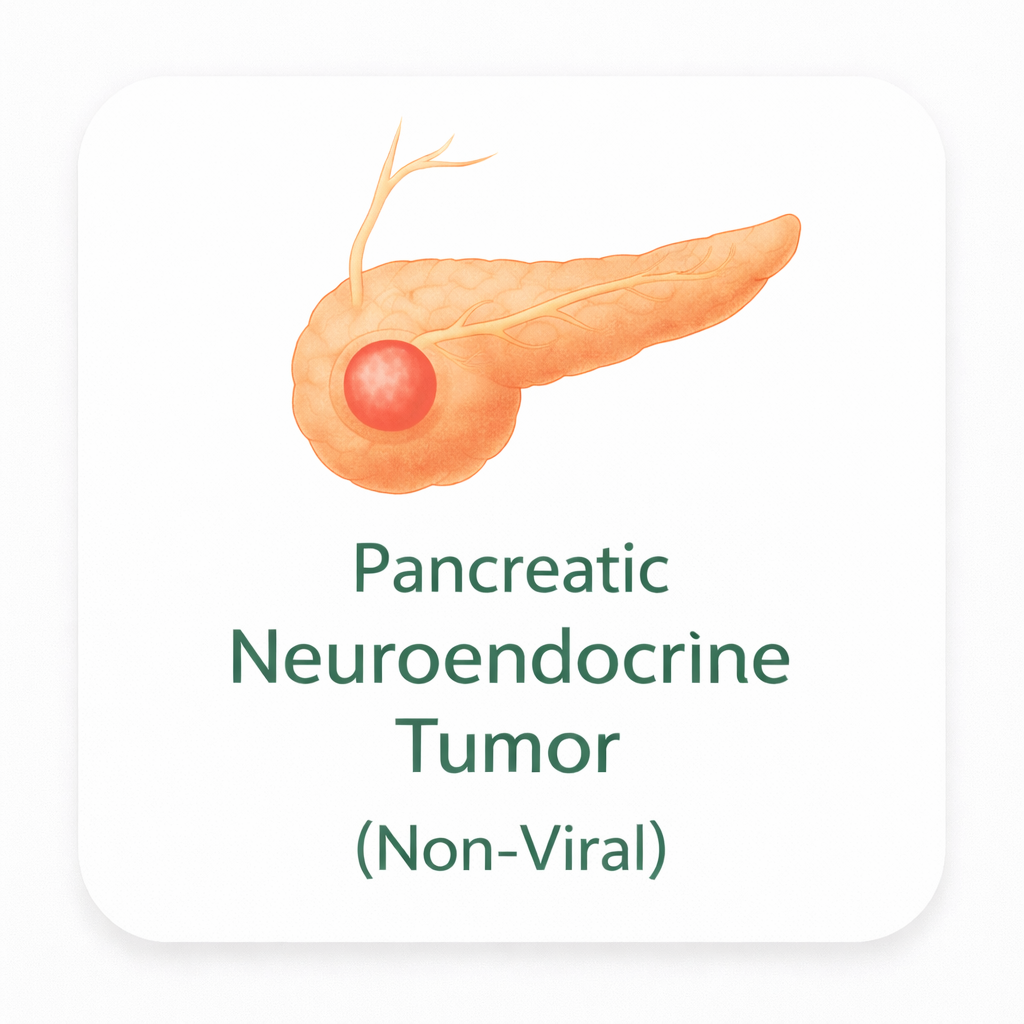
Pancreatic Neuroendocrine Tumor (Non-Viral)
Main Grouping
Digestive
Organ System
Pancreas
Cell Origin
Neuroendocrine islet cells
Pathways Affected
Pancreatic neuroendocrine tumors are strongly associated with dysregulation of the PI3K/AKT/mTOR signaling network,which represents one of the dominant biological pathways in PanNET development and progression. Loss of PTEN and TSC2 function removes inhibitory regulation of mTORC1 activity,resulting in increased protein synthesis,cell growth,nutrient sensing,and proliferative signaling. mTOR activation also enhances ribosomal biogenesis and promotes anabolic metabolism supporting tumor expansion. Published neuroendocrine tumor studies repeatedly identify mTOR pathway activation as a defining molecular feature of PanNET biology.
AMPK signaling is closely linked to PanNET metabolic regulation through its role as a cellular energy sensor. AMPK counterbalances mTOR activity and influences glucose metabolism,fatty acid oxidation,and autophagy. Whole-food plant compounds including resveratrol,quercetin,and EGCG have demonstrated AMPK activation in published experimental models. Autophagy pathways are also relevant because neuroendocrine tumor cells depend on metabolic recycling and mitochondrial adaptation during cellular stress conditions.
VEGF-driven angiogenesis is highly active in PanNETs because neuroendocrine tumors are among the most vascularized solid tumors. VEGF signaling supports endothelial proliferation,blood vessel formation,and metastatic progression. EGCG,quercetin,and luteolin have demonstrated inhibition of VEGF-associated signaling in published cancer models. NF-κB signaling contributes to inflammatory cytokine production,survival signaling,and tumor microenvironment activation,while MAPK/ERK pathways regulate proliferation and endocrine cellular growth.
Oxidative stress regulation is another major pathway component in PanNET biology. Nrf2 antioxidant signaling controls glutathione synthesis,response to reactive oxygen species,and mitochondrial protection. Sulforaphane from broccoli and cruciferous vegetables activates Nrf2-mediated detoxification and antioxidant defense systems. Cell-cycle checkpoints,p53 tumor suppressor signaling,DNA repair pathways,and apoptosis signaling are also relevant because genomic instability and impaired apoptotic regulation contribute to endocrine tumor progression. Additional pathways associated with PanNET biology include IGF-1 signaling,HIF-1 hypoxia response,Wnt/β-catenin signaling,epithelial-mesenchymal transition,and ferroptosis-related oxidative stress regulation.
Description
Pancreatic neuroendocrine tumors (PanNETs) are uncommon endocrine malignancies arising from the hormone-producing cells of the pancreatic islets. Although they account for only a small percentage of pancreatic cancers,their incidence has steadily increased over the past several decades due to expanded imaging use and improved pathological classification. PanNETs differ biologically,morphologically,and genetically from pancreatic ductal adenocarcinoma. These tumors are often slower growing and more vascularized than ductal pancreatic cancers,but aggressive metastatic disease can still occur,particularly in higher-grade lesions.
PanNETs are categorized as either functional or nonfunctional depending on hormone secretion. Functional tumors may produce insulin,gastrin,glucagon,VIP,or somatostatin,resulting in endocrine disturbances involving blood glucose regulation,gastrointestinal secretion,and metabolic signaling. Nonfunctional PanNETs comprise the majority of cases and often remain clinically silent until tumor enlargement or metastasis occurs. Liver metastasis is common in advanced disease due to the rich vascular supply associated with neuroendocrine tumors.
The molecular biology of PanNETs is dominated by dysregulation of nutrient-sensing,growth,and cell-survival pathways. Alterations in MEN1,DAXX,ATRX,PTEN,TSC2,and PI3K/AKT/mTOR signaling are among the most frequently documented genomic abnormalities. mTOR pathway activation promotes cellular growth,ribosomal biogenesis,protein synthesis,and metabolic adaptation. Increased angiogenesis through VEGF signaling also contributes to tumor expansion and metastatic progression. Neuroendocrine tumors demonstrate substantial metabolic flexibility,including altered oxidative phosphorylation,glutamine utilization,and mitochondrial stress adaptation.
Published laboratory research demonstrates that several plant-derived compounds influence pathways highly relevant to PanNET biology. Curcumin has been documented to suppress PI3K/AKT/mTOR signaling,NF-κB activation,and inflammatory cytokine expression in neuroendocrine and pancreatic cancer models. Sulforaphane from cruciferous vegetables activates Nrf2-mediated antioxidant defense and influences apoptosis and autophagy signaling. EGCG from green tea has been shown to reduce angiogenic signaling and inhibit proliferation pathways involving VEGF,ERK,and PI3K/AKT. Quercetin,luteolin,apigenin,and resveratrol have demonstrated regulation of oxidative stress,cell-cycle signaling,and mitochondrial function in endocrine-related tumor systems.
Whole-food plant-based dietary patterns provide diverse fiber-rich foods,polyphenols,isothiocyanates,flavonoids,and carotenoids that interact with metabolic and inflammatory pathways linked to endocrine tumor biology. Cruciferous vegetables,berries,leafy greens,alliums,legumes,mushrooms,and herbs contain compounds associated with antioxidant defense,response to oxidative stress,and regulation of proliferative signaling cascades. Dietary fiber from legumes,whole grains,and vegetables contributes to gut microbial fermentation and short-chain fatty acid production that may influence AMPK signaling,cellular metabolism,and inflammatory regulation.
PanNET research continues to investigate the interaction between metabolic signaling,mTOR activity,mitochondrial biology,oxidative stress,and endocrine hormone regulation. Published studies continue to explore how phytochemicals and plant-derived bioactive compounds interact with angiogenesis,cell-cycle control,autophagy,and apoptosis pathways relevant to neuroendocrine tumor progression.
Plant-Based Description
Whole-food plant-based dietary patterns provide diverse phytochemicals,fiber,minerals,and antioxidant compounds that interact with pathways involved in pancreatic neuroendocrine tumor biology. Cruciferous vegetables such as broccoli,kale,and cauliflower contain glucoraphanin,sulforaphane,and indole compounds associated with Nrf2 antioxidant signaling and detoxification pathways. Berries,pomegranate,and grapes provide anthocyanins,ellagic acid,resveratrol,and flavonoids associated with oxidative stress regulation and angiogenesis modulation. Green tea provides EGCG and catechins linked to VEGF,mTOR,and NF-κB regulation in published cancer studies. Legumes,whole grains,and seeds contribute fiber,magnesium,and amino acids that support metabolic regulation,gut microbial diversity,and short-chain fatty acid production. Herbs and spices including turmeric,ginger,oregano,and garlic contain curcumin,gingerols,carvacrol,and sulfur compounds associated with inflammatory signaling regulation,cellular antioxidant defense,and apoptosis-related pathways.
Plant Chemistry Detail
Curcumin from turmeric is among the most extensively studied phytochemicals relevant to pancreatic neuroendocrine tumor biology due to its documented effects on PI3K/AKT/mTOR,NF-κB,and apoptosis signaling pathways. Published pancreatic and neuroendocrine tumor research demonstrates curcumin-mediated reduction in AKT phosphorylation,decreased inflammatory cytokine expression,and modulation of autophagy-related proteins. Sulforaphane and glucoraphanin from broccoli,kale,and other cruciferous vegetables activate Nrf2 antioxidant response pathways that regulate glutathione synthesis,oxidative stress defense,and detoxification signaling. Sulforaphane has also demonstrated interactions with apoptosis,cell-cycle arrest,and HDAC-related epigenetic regulation in experimental cancer models.
EGCG from green tea has been documented to suppress VEGF-driven angiogenesis,mTOR signaling,and ERK pathway activation in pancreatic and endocrine tumor-related studies. Quercetin from onions,apples,and berries influences oxidative stress response,NF-κB activity,and mitochondrial signaling while also interacting with PI3K/AKT pathways. Resveratrol from grapes and berries activates AMPK signaling,inhibits inflammatory mediators,and modulates mitochondrial metabolism. Luteolin and apigenin from parsley,celery,and herbs have demonstrated regulation of inflammatory cytokines,cell-cycle proteins,and VEGF signaling.
Garlic-derived sulfur compounds including allicin,diallyl disulfide,and diallyl trisulfide have demonstrated modulation of oxidative stress and inflammatory pathways. Lycopene from tomatoes,beta-carotene from orange vegetables,and anthocyanins from berries contribute antioxidant and cellular signaling activity associated with oxidative stress balance and mitochondrial protection. Fiber-derived short-chain fatty acids produced from legumes and whole grains interact with AMPK signaling,gut microbiome pathways,and epithelial barrier integrity.
Nutritional Focus
Nutritional focus in pancreatic neuroendocrine tumor research centers on modulation of PI3K/AKT/mTOR signaling,oxidative stress regulation,angiogenesis,and mitochondrial metabolism through whole-food plant compounds. Curcumin from turmeric has demonstrated suppression of AKT,mTOR,and inflammatory signaling pathways in pancreatic and neuroendocrine tumor-related research. EGCG from green tea has shown inhibition of VEGF-associated angiogenesis and proliferative signaling. Sulforaphane from cruciferous vegetables activates Nrf2 antioxidant defense and detoxification pathways linked to glutathione metabolism and oxidative stress balance. Resveratrol,quercetin,luteolin,and apigenin interact with AMPK,NF-κB,and mitochondrial signaling pathways associated with endocrine tumor metabolism. Fiber-rich legumes,whole grains,and seeds contribute gut microbiome-derived short-chain fatty acids that influence metabolic signaling and inflammatory regulation.
Research Notes
PanNETs account for approximately 1 to 3 percent of pancreatic neoplasms. Incidence has increased due to imaging and pathological detection improvements. Functional tumors may secrete insulin,glucagon,gastrin,VIP,or somatostatin. MEN1 mutations occur in approximately 35 to 45 percent of sporadic PanNETs. DAXX and ATRX alterations occur in approximately 40 percent and are associated with chromosomal instability and alternative lengthening of telomeres. PI3K/AKT/mTOR pathway activation is common through PTEN and TSC2 loss. PanNETs are highly vascular tumors with elevated VEGF signaling. Published studies demonstrate interactions between curcumin,EGCG,resveratrol,sulforaphane,and pathways including mTOR,NF-κB,VEGF,AMPK,and apoptosis signaling in pancreatic and neuroendocrine tumor models.
Notes Visibility
show
Key Foods
Broccoli,Kale,Cauliflower,Spinach,Tomato,Garlic,Yellow Onion,Beetroot,Blueberry,Pomegranate,Grape,Apple,Orange,Lemon,Black Beans,Chickpeas,Green Lentils,Edamame,Brown Rice,Oats,Quinoa,Walnut,Almond,Flaxseed,Chia Seeds,Pumpkin Seeds,Shiitake,Maitake,Green Tea,Turmeric,Ginger,Oregano,Parsley,Rosemary, Leek,Avocado,Artichoke,Radish,Tangerine, Red Onion
Linked Nutrients
vitamin-c,vitamin-e,vitamin-b9,vitamin-b6,vitamin-a,vitamin-k1,selenium,zinc,magnesium,potassium,iron,manganese,copper,calcium,curcumin,quercetin,egcg,sulforaphane,resveratrol,lycopene,beta-carotene,ellagic-acid,genistein,dietary-fiber
Last Updated
2025-10-13 10:26:37

