
ID
77
Cancer Name
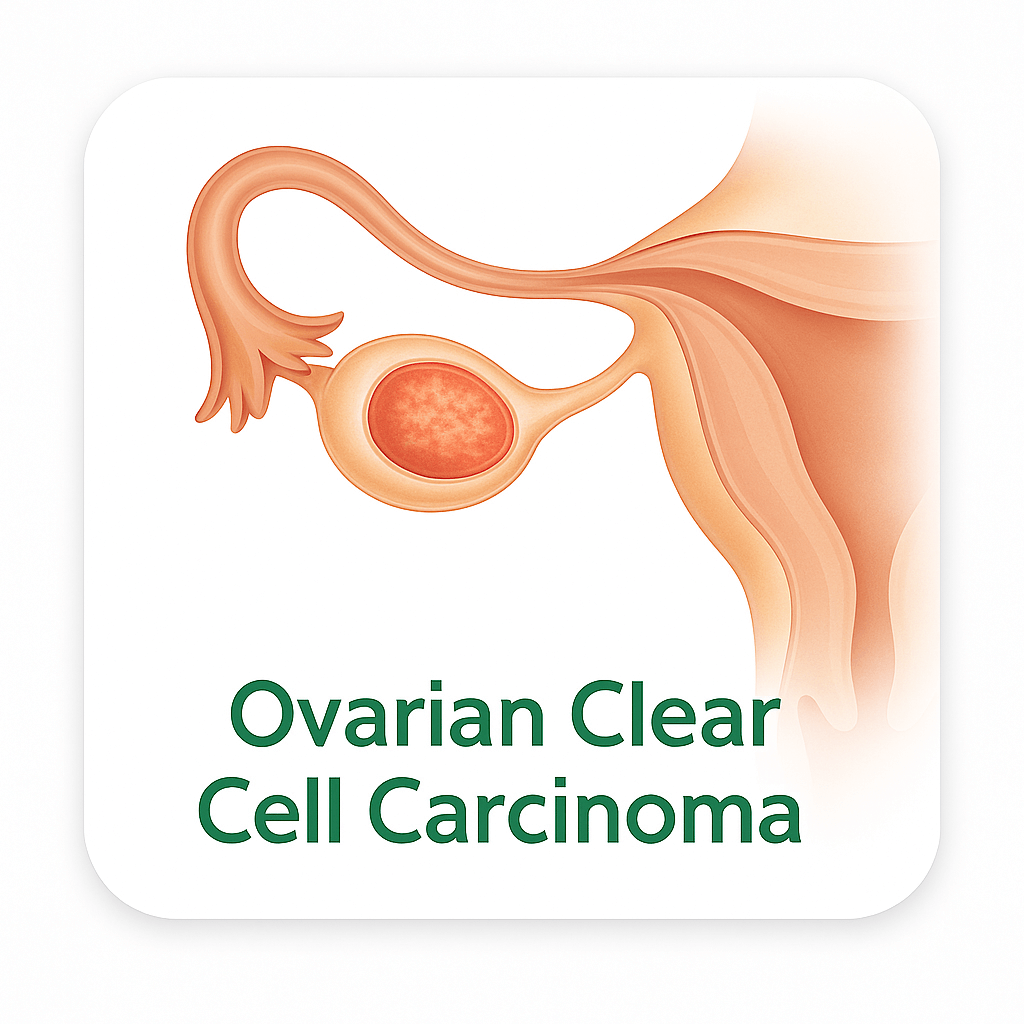
Ovarian Clear Cell Carcinoma – Extension
Main Grouping
Reproductive
Organ System
Ovary/Peritoneum
Cell Origin
Epithelial (clear cell)
Pathways Affected
Ovarian clear cell carcinoma involves extensive metabolic and signaling pathway dysregulation centered around PI3K-AKT-mTOR activation,oxidative stress adaptation,hypoxia signaling,and chromatin remodeling disruption. One of the dominant pathways in OCCC is the pi3k-akt-pathway driven by PIK3CA mutations and PTEN loss. Activation of AKT signaling promotes glucose metabolism,cell proliferation,mTOR activation,and resistance to apoptosis. mTORC1 signaling increases protein synthesis,glycolytic metabolism,and survival signaling under nutrient stress conditions.
The hypoxia-hif1-response pathway is highly active in OCCC because tumor cells adapt to low oxygen pelvic environments through HIF1α stabilization and VEGF-driven angiogenesis. This promotes vascular remodeling,glycolysis,and metastatic potential. angiogenesis-vegf-signaling contributes to endothelial proliferation and nutrient supply to rapidly growing tumor tissue.
The nrf2-antioxidant-response and glutathione-defense pathways are strongly associated with OCCC due to elevated oxidative stress adaptation and glutathione metabolism. OCCC cells frequently show increased glutathione synthesis,cysteine utilization,and antioxidant enzyme activity allowing survival under reactive oxygen species exposure. ferroptosis signaling is also relevant because altered glutathione metabolism and lipid peroxide handling influence susceptibility to oxidative membrane damage.
The nfkb-pathway,mapk-erk-pathway,and jak-stat-pathway contribute to inflammatory cytokine signaling,tumor proliferation,and resistance to apoptosis. Cell survival pathways involving autophagy and apoptosis-pathway dysregulation allow OCCC cells to survive metabolic stress and chemotherapy exposure. dna-repair,mismatch-repair,and homologous-recombination pathways are affected through ARID1A-associated chromatin remodeling defects leading to genomic instability.
The pentose-phosphate-pathway,glycolysis,and tca-cycle support anabolic metabolism,NADPH production,and nucleotide synthesis required for rapidly proliferating tumor cells. wnt-beta-catenin-signaling and emt-signaling are involved in metastatic progression,cell migration,and epithelial-mesenchymal transition biology. Plant compounds including quercetin,curcumin,EGCG,sulforaphane,and resveratrol have demonstrated modulation of PI3K-AKT,mTOR,NF-κB,VEGF,HIF1α,and apoptosis signaling in ovarian carcinoma research models.
Description
Ovarian clear cell carcinoma (OCCC) is a biologically distinct subtype of epithelial ovarian cancer characterized by clear glycogen-rich cytoplasm,hobnail morphology,and aggressive metabolic adaptations involving oxidative stress tolerance,hypoxia signaling,and PI3K/AKT/mTOR activation. OCCC represents approximately 5 to 13 percent of epithelial ovarian cancers worldwide and is diagnosed more frequently in women with a history of endometriosis or chronic inflammatory pelvic conditions. Compared with high-grade serous ovarian carcinoma,OCCC demonstrates a unique molecular profile dominated by ARID1A mutations,PIK3CA activation,HNF1B overexpression,and extensive metabolic remodeling involving glutathione synthesis,glycolysis,and mitochondrial adaptation.
ARID1A loss is one of the defining molecular alterations in OCCC and contributes to chromatin remodeling defects,DNA repair disruption,and altered cell-cycle regulation. PIK3CA mutations activate the PI3K-AKT-mTOR pathway leading to increased proliferation,metabolic reprogramming,and survival signaling. OCCC tumors frequently overexpress HNF1B,a transcription factor associated with glycogen accumulation,oxidative stress tolerance,and altered glucose metabolism. Increased glycolytic flux and glutathione synthesis allow tumor cells to survive in hypoxic and inflammatory pelvic microenvironments.
The hypoxia-HIF1α pathway is highly relevant in OCCC due to abnormal angiogenesis and adaptation to low oxygen environments. VEGF signaling contributes to vascular remodeling and tumor expansion while NF-κB and inflammatory cytokine signaling support tumor progression and oxidative stress adaptation. Published laboratory studies demonstrate that plant-derived compounds including quercetin,EGCG,curcumin,sulforaphane,resveratrol,and apigenin can influence pathways associated with ovarian cancer biology including PI3K-AKT,mTOR,NF-κB,VEGF,HIF1α,and apoptosis regulation.
Curcumin has demonstrated inhibition of ovarian cancer proliferation through suppression of AKT,mTOR,and NF-κB signaling with induction of apoptosis and reduction of inflammatory cytokines in ovarian cancer cell models. EGCG from green tea has been shown to inhibit angiogenesis,cell migration,and oxidative stress signaling while modulating VEGF and MAPK pathways. Quercetin has demonstrated G2/M cell-cycle arrest,apoptosis induction,and inhibition of PI3K-AKT and ERK signaling in ovarian carcinoma cells. Sulforaphane activates NRF2 antioxidant response systems and modulates glutathione metabolism while also suppressing cancer stem-cell survival pathways in ovarian cancer research models.
OCCC also demonstrates altered ferroptosis sensitivity associated with glutathione metabolism and oxidative stress adaptation. Elevated glutathione production and cysteine utilization support resistance to oxidative damage. Metabolic reprogramming involving glycolysis,the pentose phosphate pathway,and mitochondrial oxidative phosphorylation contributes to aggressive tumor survival biology. Dietary plant compounds rich in polyphenols,isothiocyanates,carotenoids,and flavonoids have been investigated for their interactions with oxidative stress signaling,angiogenesis,inflammatory pathways,and metabolic adaptation associated with ovarian carcinoma biology.
Plant-Based Description
Whole-food plant-based foods provide phytochemicals and antioxidant compounds investigated in ovarian cancer research models for their interactions with oxidative stress pathways,inflammatory signaling,and metabolic regulation. Cruciferous vegetables including broccoli,kale,and cauliflower contain glucoraphanin,sulforaphane,and indole compounds associated with NRF2 activation and modulation of glutathione defense systems. Green tea provides EGCG and catechins that influence VEGF signaling,oxidative stress,and apoptosis pathways. Berries,pomegranate,and grapes contain anthocyanins,ellagic acid,and resveratrol associated with antioxidant and inflammatory signaling regulation.
Legumes,whole grains,nuts,and seeds provide dietary fiber,polyphenols,magnesium,selenium,and amino acids involved in glutathione metabolism and oxidative stress defense. Garlic,onion,turmeric,and ginger provide sulfur-containing phytochemicals,curcuminoids,and gingerols associated with NF-κB,mTOR,and inflammatory pathway modulation in ovarian cancer laboratory studies. These foods also support gut microbiome activity,SCFA production,and metabolic stability through high fiber intake and phytochemical diversity.
Plant Chemistry Detail
Curcumin from turmeric has demonstrated suppression of ovarian cancer cell proliferation through inhibition of PI3K-AKT,mTOR,and NF-κB signaling pathways with induction of apoptosis and reduction of inflammatory cytokines in ovarian carcinoma models. Curcumin also reduces VEGF expression and oxidative stress signaling associated with hypoxia adaptation and angiogenesis. Quercetin from onions,apples,and berries has demonstrated G2/M cell-cycle arrest,ROS modulation,and inhibition of PI3K-AKT and MAPK signaling in ovarian cancer cell studies. Quercetin additionally influences mitochondrial membrane potential and apoptosis regulation.
EGCG from green tea modulates VEGF signaling,HIF1α activity,and oxidative stress pathways while reducing migration and proliferation in ovarian carcinoma cell models. Sulforaphane from broccoli and cruciferous vegetables activates NRF2 antioxidant response signaling and glutathione metabolism while influencing cancer stem-cell survival pathways and oxidative stress handling. Resveratrol from grapes and berries has demonstrated modulation of apoptosis,AMPK activation,and suppression of inflammatory signaling pathways including NF-κB and STAT3.
Lycopene from tomatoes and beta-carotene from orange vegetables interact with oxidative stress biology and membrane antioxidant defense systems. Ellagic acid,punicalagin,and anthocyanins from berries and pomegranate demonstrate free radical scavenging activity and influence inflammatory cytokine signaling. Garlic-derived compounds including allicin,diallyl disulfide,and diallyl trisulfide interact with oxidative stress pathways and inflammatory mediators. Gingerols and shogaols from ginger influence NF-κB and MAPK signaling pathways associated with inflammatory tumor microenvironments.
Nutritional Focus
Nutritional focus in ovarian clear cell carcinoma research centers on modulation of oxidative stress pathways,PI3K-AKT-mTOR signaling,angiogenesis,and inflammatory cytokine activity. Curcumin from turmeric has demonstrated inhibition of AKT,mTOR,and NF-κB signaling with induction of apoptosis in ovarian cancer cell models. EGCG from green tea has demonstrated inhibition of VEGF signaling,migration,and oxidative stress pathways associated with ovarian carcinoma progression. Sulforaphane from cruciferous vegetables activates NRF2 and glutathione-related antioxidant systems while influencing cancer stem-cell signaling and oxidative defense pathways. Quercetin,resveratrol,and anthocyanin-rich berries provide flavonoids and polyphenols associated with ROS modulation,apoptosis signaling,and inflammatory pathway regulation. Whole plant foods additionally provide dietary fiber,magnesium,selenium,and phytonutrients supporting metabolic stability,gut microbiome activity,and SCFA production relevant to systemic inflammatory signaling and metabolic regulation.
Research Notes
Ovarian clear cell carcinoma accounts for approximately 5-13% of epithelial ovarian cancers globally with higher prevalence in East Asian populations. Strong association with endometriosis-related pelvic inflammation. Molecular hallmarks include ARID1A mutations (~46-57%),PIK3CA mutations (~33-40%),HNF1B overexpression,mTOR activation,and oxidative stress adaptation. OCCC demonstrates elevated glutathione metabolism,hypoxia signaling,and glycolytic metabolic remodeling. Common pathways include PI3K-AKT,mTOR,HIF1α,VEGF,NF-κB,and oxidative stress defense signaling. Published laboratory studies document curcumin,EGCG,quercetin,resveratrol,and sulforaphane influencing ovarian cancer proliferation,apoptosis,angiogenesis,and oxidative stress pathways in ovarian carcinoma cell models. OCCC demonstrates increased resistance to oxidative stress and altered ferroptosis susceptibility associated with glutathione defense systems.
Notes Visibility
Key Foods
Broccoli,Kale,Cauliflower,Spinach,Garlic,Yellow Onion,Tomato,Blueberry,Strawberry,Pomegranate,Grape,Apple,Orange,Lemon,Black Beans,Chickpeas,Lentils,Quinoa,Brown Rice,Oats,Walnut,Almond,Flaxseed,Pumpkin Seeds,Chia Seeds,Shiitake Mushroom,Maitake Mushroom,Green Tea,Turmeric,Ginger,Parsley,Oregano, Leek,Avocado,Artichoke,Radish,Tangerine, Red Onion
Linked Nutrients
vitamin-c,vitamin-e,vitamin-b9,vitamin-b6,vitamin-a,vitamin-k1,selenium,zinc,magnesium,calcium,potassium,iron,curcumin,quercetin,egcg,sulforaphane,resveratrol,lycopene,ellagic-acid,dietary-fiber
Last Updated
2025-10-13 10:28:13

