ID
79
Cancer Name
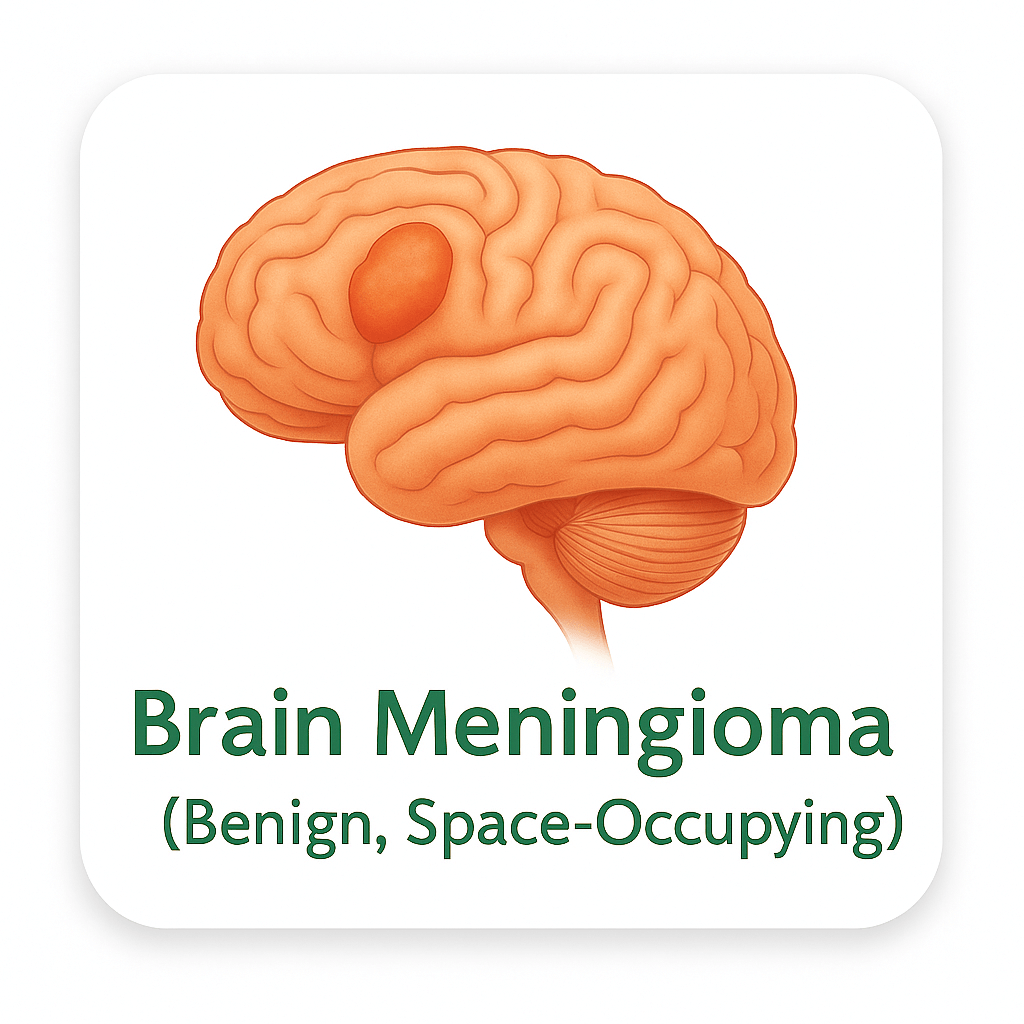
Brain Meningioma (Benign, Space-Occupying)
Main Grouping
Nervous System
Organ System
Meninges
Cell Origin
Arachnoid cap cells
Pathways Affected
Brain meningioma biology involves several interconnected signaling pathways associated with cellular proliferation, inflammatory signaling, angiogenesis, mitochondrial adaptation, and extracellular matrix remodeling. One of the most important pathways is the PI3K-AKT-mTOR pathway, which regulates cell growth, nutrient sensing, protein synthesis, and survival signaling. Increased activation of AKT and mTOR has been documented in many meningiomas and contributes to enhanced cellular proliferation and resistance to apoptosis. Curcumin, quercetin, EGCG, and resveratrol have demonstrated inhibitory activity against components of this pathway in published neurological and tumor research models.
NF-κB signaling is strongly associated with inflammatory activation and cytokine-driven progression in meningioma tissue. Elevated inflammatory mediators including IL-6,TNF-alpha,and COX-related signaling contribute to edema formation, vascular permeability, and extracellular matrix remodeling. Curcumin, luteolin, apigenin, rosemary polyphenols, and EGCG have demonstrated suppression of NF-κB activation and downstream inflammatory signaling in laboratory studies.
Angiogenesis pathways are also highly relevant in larger meningiomas. VEGF signaling contributes to vascular growth, edema, and increased blood supply supporting tumor expansion. VEGF expression correlates with vascular density and aggressive growth characteristics in some meningioma subtypes. EGCG,resveratrol,lycopene,and sulforaphane have demonstrated modulation of VEGF-related signaling and endothelial inflammatory activity.
Oxidative stress pathways including Nrf2 antioxidant response signaling are important in neural tissue protection and mitochondrial stabilization. Increased reactive oxygen species generation contributes to DNA damage, inflammatory signaling, and mitochondrial dysfunction in tumor-associated brain tissue. Sulforaphane activates Nrf2-dependent antioxidant enzymes including glutathione synthesis systems and phase II detoxification enzymes.
Additional pathways involved include MAPK-ERK signaling, apoptosis regulation, autophagy, cell-cycle checkpoint regulation, DNA repair pathways, hypoxia-HIF1 signaling, Wnt-beta-catenin signaling, and p53 tumor suppressor signaling. Collectively, these pathways influence tumor expansion, edema, vascular remodeling, oxidative injury, inflammatory responses, and neurological compression effects associated with benign but space-occupying meningiomas.
Description
Brain meningioma is the most common primary intracranial tumor in adults and develops from the meninges, the protective membranes surrounding the brain and spinal cord. Approximately 80 to 85 percent of meningiomas are classified as WHO Grade I benign tumors, yet their location within the rigid cranial cavity allows even slow-growing lesions to produce significant neurological consequences through pressure, edema, vascular compression, and disruption of surrounding neural tissue. These tumors are most frequently diagnosed between ages 50 and 70 and occur more commonly in women than men. Common anatomical locations include the cerebral convexities, parasagittal region, sphenoid wing, skull base, olfactory groove, posterior fossa, and spinal meninges.
Clinical symptoms are largely related to tumor size and anatomical location. Headache, seizures, visual disturbances, dizziness, weakness, memory changes, cognitive slowing, cranial nerve dysfunction, and balance impairment may occur as the tumor enlarges. Peritumoral edema and vascular compression contribute to inflammatory signaling and oxidative stress within adjacent neural tissue. Although benign meningiomas rarely metastasize, progressive expansion may compress essential brain structures and disrupt cerebral blood flow and neuronal signaling pathways.
At the molecular level, meningiomas frequently demonstrate dysregulation of the NF-κB pathway, PI3K-AKT-mTOR signaling, MAPK-ERK signaling, VEGF-mediated angiogenesis, and oxidative stress adaptation pathways. NF2 inactivation is the most common genomic alteration and contributes to loss of contact inhibition and abnormal cellular proliferation. Increased VEGF signaling supports vascular development and edema formation, while chronic inflammatory cytokine activation contributes to extracellular matrix remodeling and tumor expansion. Oxidative stress and mitochondrial dysfunction are also increasingly recognized in meningioma biology, particularly in larger and recurrent tumors.
Published laboratory research has demonstrated that several plant-derived phytochemicals influence pathways associated with meningioma biology. Curcumin has been shown to suppress PI3K-AKT-mTOR signaling, NF-κB activation, and inflammatory cytokine production in brain tumor cell models. EGCG from green tea has demonstrated inhibitory activity against angiogenesis and oxidative stress pathways. Quercetin, luteolin, apigenin, sulforaphane, resveratrol, and lycopene have documented effects involving apoptosis induction, oxidative stress reduction, VEGF suppression, and regulation of MAPK and cell cycle signaling pathways in neurological and brain tumor research models.
Whole-food plant-based dietary patterns provide fiber, polyphenols, carotenoids, glucosinolates, flavonoids, lignans, and sulfur-containing phytochemicals that support antioxidant defense systems, endothelial stability, mitochondrial protection, and inflammatory regulation. Cruciferous vegetables, berries, green tea, mushrooms, legumes, leafy greens, herbs, spices, and deeply pigmented fruits provide bioactive compounds associated with modulation of oxidative stress, inflammatory cytokines, VEGF activity, and cell cycle signaling pathways involved in meningioma growth biology.
Plant-Based Description
Whole-food plant-based nutrition provides diverse phytochemicals, antioxidants, minerals, fiber, and carotenoid-rich foods associated with regulation of oxidative stress, inflammatory signaling, endothelial stability, and mitochondrial protection relevant to meningioma biology. Cruciferous vegetables provide glucosinolates and sulforaphane associated with activation of Nrf2 antioxidant pathways and cellular detoxification systems. Berries, pomegranate, grapes, and green tea provide polyphenols including EGCG, quercetin, anthocyanins, ellagic acid, and resveratrol associated with modulation of inflammatory signaling and VEGF-related angiogenesis pathways. Mushrooms, legumes, leafy greens, herbs, seeds, and whole grains provide additional fiber, minerals, amino acids, and antioxidant compounds supporting cellular repair, mitochondrial stability, and inflammatory regulation within neurological tissues.
Plant Chemistry Detail
Curcumin from turmeric is among the most extensively studied phytochemicals relevant to brain tumor and inflammatory signaling research. Published laboratory studies demonstrate that curcumin suppresses NF-κB activation, PI3K-AKT-mTOR signaling, inflammatory cytokine production, VEGF-mediated angiogenesis, and oxidative stress signaling pathways associated with brain tumor progression. Curcumin has also demonstrated induction of apoptosis and modulation of mitochondrial oxidative stress pathways in neurological tumor models.
EGCG from green tea has demonstrated anti-angiogenic activity through VEGF suppression and modulation of oxidative stress pathways. EGCG additionally influences MAPK signaling, inflammatory cytokines, and mitochondrial reactive oxygen species generation in neurological research models. Quercetin from onions, apples, kale, and berries has documented effects involving apoptosis induction, antioxidant defense activation, and suppression of inflammatory cytokine pathways. Luteolin and apigenin from parsley, celery, oregano, and leafy greens demonstrate regulation of inflammatory signaling and oxidative stress pathways relevant to neural tissue inflammation.
Sulforaphane from broccoli, kale, broccoli-rabe, Brussels sprouts, and watercress activates Nrf2 antioxidant response signaling and enhances glutathione-related detoxification systems associated with protection against oxidative stress and inflammatory injury. Lycopene from tomatoes demonstrates modulation of oxidative stress pathways and VEGF signaling. Resveratrol from grapes and berries influences SIRT1,AMPK,and inflammatory pathways associated with cellular stress adaptation.
Garlic-derived sulfur compounds including allicin,diallyl-disulfide,and s-allyl-l-cysteine have demonstrated antioxidant and inflammatory regulatory activity in neurological research models. Mushroom beta-glucans and ergothioneine-related antioxidant compounds provide additional support for immune regulation and oxidative balance. Collectively, these plant-derived compounds influence pathways involved in angiogenesis, inflammatory signaling, oxidative stress, mitochondrial adaptation, apoptosis, and endothelial function associated with meningioma growth biology and surrounding neural tissue stress responses.
Nutritional Focus
Nutritional focus in brain meningioma research centers on regulation of inflammatory signaling, oxidative stress balance, angiogenesis pathways, mitochondrial protection, endothelial stability, and cellular stress adaptation. Cruciferous vegetables provide sulforaphane and glucosinolate compounds associated with activation of Nrf2 antioxidant pathways and glutathione-related defense systems. Green tea polyphenols including EGCG demonstrate modulation of VEGF signaling, oxidative stress pathways, and inflammatory cytokines. Curcumin from turmeric influences PI3K-AKT-mTOR,NF-κB,and apoptosis signaling pathways. Berries, grapes, pomegranate, tomatoes, herbs, mushrooms, legumes, seeds, and leafy greens provide polyphenols, carotenoids, flavonoids, lignans, and minerals associated with antioxidant support, endothelial regulation, and inflammatory balance within neurological tissues.
Research Notes
Meningiomas account for approximately 37% of primary intracranial tumors and represent the most common benign central nervous system tumor in adults. Approximately 80-85% are WHO Grade I tumors. NF2 loss on chromosome 22q is the most common molecular alteration. Additional mutations may involve AKT1,PIK3CA,SMO,KLF4,TRAF7,and POLR2A depending on subtype and anatomical location. VEGF signaling contributes to vascular proliferation and edema formation. PI3K-AKT-mTOR and MAPK signaling are commonly dysregulated. Oxidative stress, inflammatory cytokines, mitochondrial dysfunction, extracellular matrix remodeling, and angiogenesis contribute to progressive expansion and neurological compression effects. Published laboratory studies document curcumin,EGCG,quercetin,luteolin,resveratrol,and sulforaphane modulation of pathways relevant to inflammation,VEGF signaling,oxidative stress,and apoptosis in neurological and brain tumor models.
Notes Visibility
Key Foods
Broccoli,Kale,Spinach,Watercress,Broccoli Rabe,Brussels Sprouts,Blueberry,Strawberry,Pomegranate,Grape,Tomato,Garlic,Yellow Onion,Green Tea,Turmeric,Ginger,Parsley,Rosemary,Oregano,Black Beans,Chickpeas,Lentils,Walnut,Flaxseed,Pumpkin Seeds,Shiitake,Lions Mane,Maitake,Brown Rice,Oats, Leek,Avocado,Artichoke,Radish,Tangerine, Red Onion
Linked Nutrients
vitamin-c,vitamin-e,vitamin-b9,vitamin-b6,vitamin-a,vitamin-k1,magnesium,zinc,selenium,potassium,curcumin,quercetin,egcg,sulforaphane,resveratrol,lycopene,luteolin,apigenin,ellagic-acid,beta-carotene
Last Updated
2025-10-13 10:28:13