
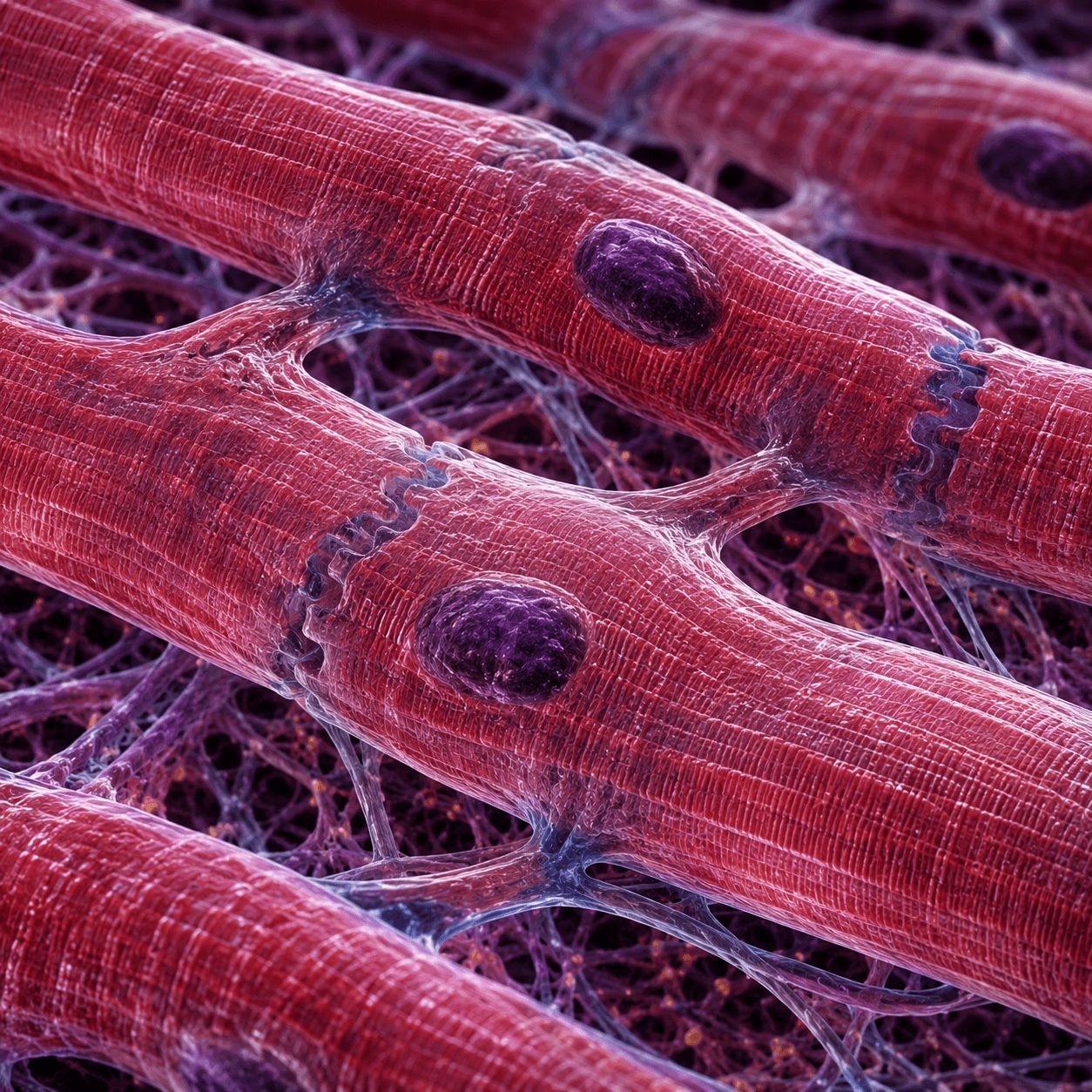
Cardiomyocytes are specialized cardiac muscle cells that generate the force required for continuous heart contraction throughout life. These highly organized cells form the majority of the myocardium and are responsible for pumping blood through the circulatory system. Unlike most muscle cells, cardiomyocytes function continuously without voluntary control and must maintain precise electrical, mechanical, and metabolic coordination to support life. Their structure includes sarcomeres, intercalated discs, ion channels, mitochondria, and calcium-handling systems that work together to produce rhythmic contractions.
One of the primary functions of cardiomyocytes is conversion of chemical energy into mechanical force. Electrical impulses traveling through the cardiac conduction system trigger calcium release within cardiomyocytes, initiating contraction of the contractile proteins actin and myosin. This coordinated process allows the heart chambers to pump oxygen, nutrients, hormones, and immune factors throughout the body.
Cardiomyocytes possess one of the highest energy demands of any cell type. Mitochondria can occupy nearly one-third of cell volume, reflecting the enormous ATP requirements necessary to sustain continuous contraction. Efficient mitochondrial function is essential for maintaining cardiac output, electrical stability, calcium cycling, and cellular survival.
These cells depend on multiple metabolic pathways including ATP production, mitochondrial respiration, calcium signaling, nitric oxide signaling, AMPK signaling, autophagy, and oxidative stress regulation. Proper electrolyte balance is also critical. Magnesium participates in ATP-dependent reactions and electrical stability. Potassium contributes to membrane potential and rhythm regulation. Iron supports oxygen utilization. Zinc, copper, and manganese contribute to antioxidant enzyme systems. Amino acids including arginine, leucine, lysine, and methionine support cellular maintenance and protein turnover.
Foods associated with cardiomyocyte support include spinach, beet greens, black beans, lentils, walnuts, ground flaxseed, blueberries, strawberries, pomegranates, and broccoli. These foods provide minerals, fiber, antioxidants, nitrates, polyphenols, and phytochemicals including quercetin, anthocyanins, ellagic acid, kaempferol, and sulforaphane.
Cardiomyocytes are exposed to substantial oxidative stress because of their high metabolic activity. Antioxidant defense systems involving superoxide dismutase, catalase, glutathione peroxidase, and nitric oxide synthase help protect cellular structures from damage. Nutritional support for these systems contributes to maintenance of normal cardiac physiology.
As the primary contractile cells of the heart, cardiomyocytes are essential for circulation, oxygen delivery, nutrient transport, and overall cardiovascular function. Their health depends upon coordinated energy production, cellular protection, nutrient availability, and effective regulation of signaling pathways that maintain lifelong cardiac performance.
Cardiomyocytes are among the most energy-demanding cells in the body and depend heavily on mitochondrial function, magnesium-dependent ATP reactions, potassium balance, calcium regulation, antioxidant protection, and vascular nutrient delivery.

