
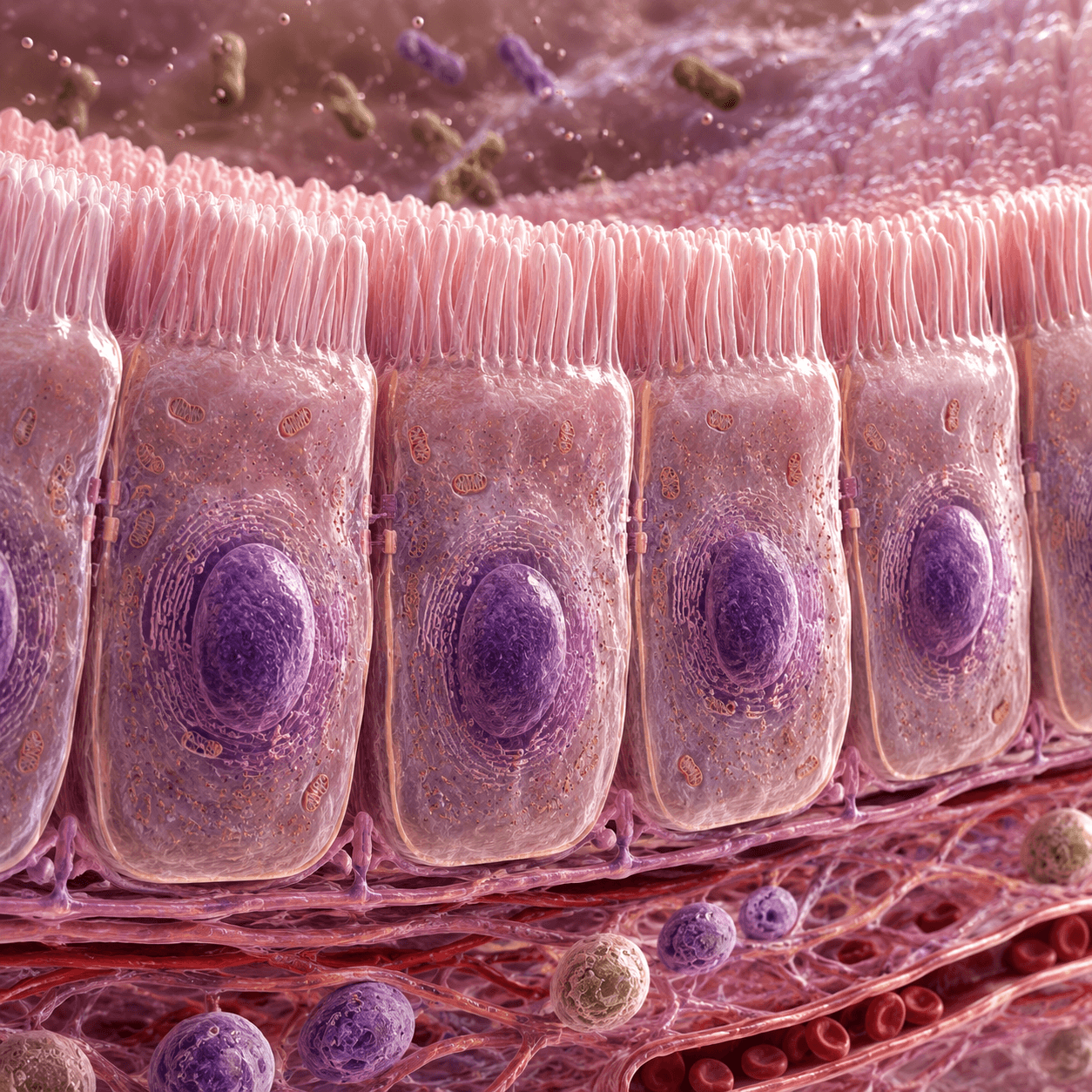
Colonocytes are specialized epithelial cells that line the large intestine and form the primary cellular barrier between the intestinal lumen and underlying tissues. These cells play essential roles in maintaining intestinal integrity, regulating nutrient and electrolyte absorption, interacting with the microbiome, supporting immune communication, and utilizing microbial metabolites as energy sources. Colonocytes are among the most direct examples of cooperation between human physiology and the gut microbiota.
One of the defining characteristics of colonocytes is their dependence on short-chain fatty acids, particularly butyrate, as a major fuel source. Butyrate is produced when intestinal microbes ferment dietary fiber and resistant starch. Colonocytes utilize this microbial metabolite to generate ATP, support cellular maintenance, and preserve barrier function.
Colonocytes help regulate water absorption, electrolyte balance, and maintenance of the intestinal barrier. Tight junctions between neighboring cells limit unwanted movement of harmful substances into underlying tissues while allowing controlled nutrient exchange. Through these functions, colonocytes contribute significantly to digestive and immune health.
The health of colonocytes depends heavily on dietary fiber intake because fiber influences microbial production of short-chain fatty acids. These cells also require nutrients supporting DNA repair, antioxidant defense, epithelial renewal, and cellular metabolism. Folate contributes to DNA synthesis. Magnesium and potassium support cellular energy production and membrane function. Zinc and selenium participate in antioxidant pathways. Glycine and glutamine contribute to tissue maintenance and repair.
Foods associated with colonocyte support include black beans, lentils, oats, barley, apples, broccoli, ground flaxseed, blueberries, raspberries, and garlic. These foods provide fiber, resistant starch, vitamins, minerals, and polyphenols that help support microbial metabolism and epithelial health.
Colonocytes participate in short-chain fatty acid metabolism, DNA repair, oxidative stress regulation, apoptosis, cell cycle control, and epithelial barrier pathways. Antioxidant enzymes including superoxide dismutase, catalase, and glutathione peroxidase help maintain cellular protection.
Polyphenols such as anthocyanins, quercetin, sulforaphane, ellagic acid, and resistant starch-derived metabolites contribute to the biochemical environment supporting colonocyte physiology.
As the primary epithelial cells of the colon, colonocytes help maintain digestive barrier integrity, regulate interactions with the microbiome, support nutrient absorption, and contribute to long-term intestinal health through their close relationship with dietary fiber and microbial metabolism.
Colonocytes depend strongly on dietary fiber, resistant starch, polyphenols, folate, magnesium, and antioxidant nutrients that support barrier repair, DNA protection, and microbiome-derived butyrate production.

