
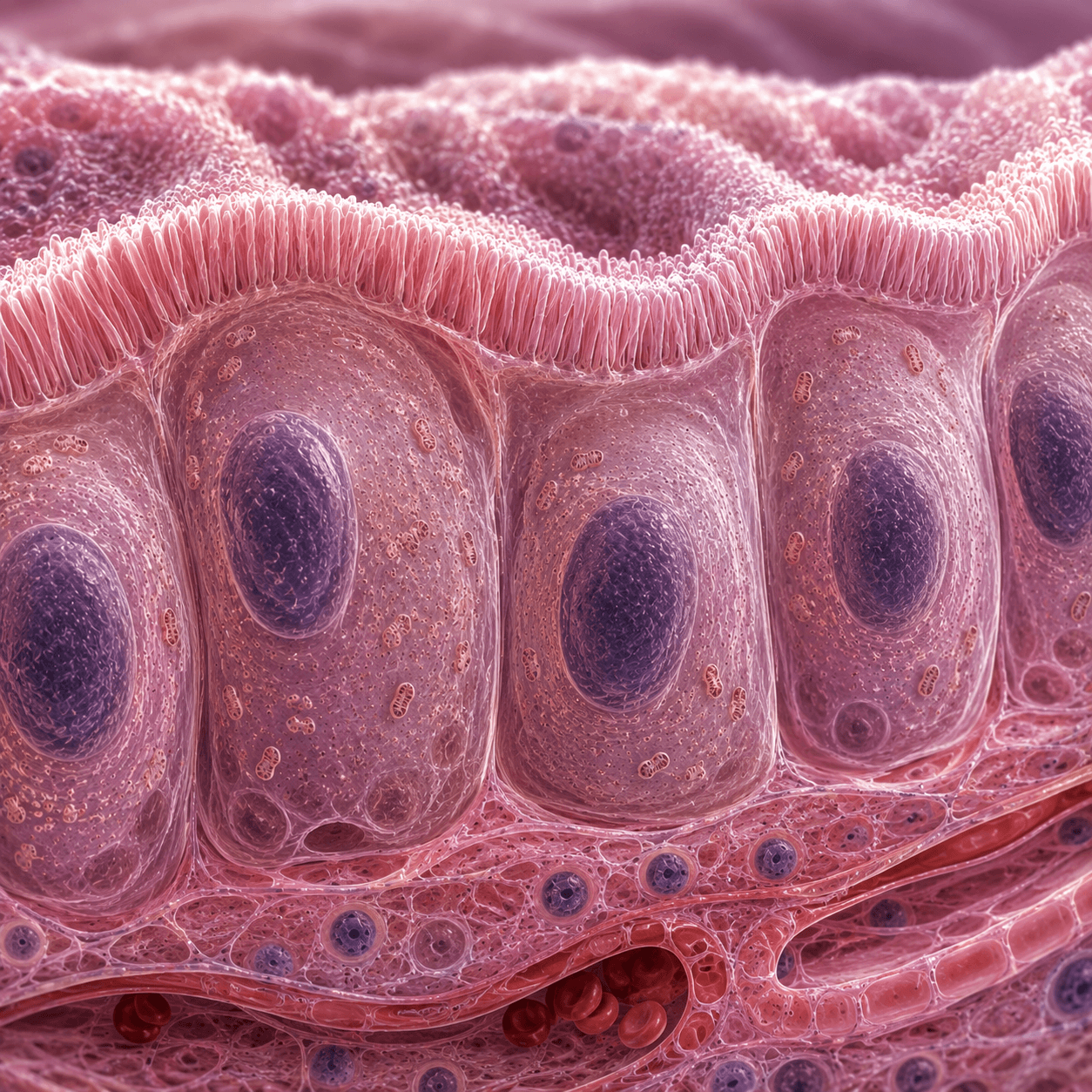
Endometrial cells form the uterine lining and undergo cyclical growth, maintenance, and renewal.
Endometrial cells form the lining of the uterus and undergo cyclical processes of growth, differentiation, maintenance, and shedding throughout the reproductive years. These cells create the endometrium, a dynamic tissue that responds to hormonal signals and plays an important role in reproductive physiology. The endometrium is one of the most actively remodeling tissues in the human body.
One of the primary functions of endometrial cells is preparation of the uterine environment through coordinated cycles of proliferation and maturation. Under hormonal influence, these cells expand, differentiate, and modify the extracellular environment. If pregnancy does not occur, portions of the lining are shed and subsequently regenerated during the next cycle.
Endometrial cells are highly responsive to estrogen and progesterone signaling. These hormones regulate cellular growth, gene expression, tissue remodeling, and metabolic activity. Healthy communication between hormonal pathways and endometrial tissues is essential for normal uterine physiology.
The function of endometrial cells depends on DNA synthesis, cellular repair systems, antioxidant protection, nutrient availability, and balanced hormonal signaling. Folate supports DNA replication and cellular renewal. Vitamin C and vitamin E contribute antioxidant defense. Magnesium participates in numerous metabolic reactions. Iron supports oxygen transport and tissue maintenance. Foods including lentils, black beans, spinach, kale, broccoli, oranges, kiwi, blueberries, strawberries, and ground flaxseed provide nutrients associated with endometrial support.
Endometrial cells participate in estrogen metabolism, DNA repair, cell cycle regulation, oxidative stress responses, and tissue remodeling pathways. Because these tissues undergo continuous cycles of growth and renewal, adequate nutrient availability is important for maintaining cellular integrity.
Dietary fiber contributes to healthy hormone metabolism through effects on digestive physiology and nutrient handling. Polyphenols, lignans, vitamins, minerals, and antioxidant compounds found in plant foods provide nutrients associated with cellular protection and metabolic balance.
Endometrial cells form the dynamic lining of the uterus and support continuous tissue renewal throughout reproductive life. Through coordinated responses to hormonal signals, they contribute to uterine structure, tissue maintenance, and reproductive physiology.
These cells depend on balanced hormone signaling, antioxidant protection, and nutrients involved in cellular growth and repair.
SUMMARY OF CELL SUPPORTnnThis cell strongly benefits from:n• Fiber-supported estrogen metabolismn• Folate-supported DNA synthesisn• Iron and magnesium supportn• Antioxidant-rich fruitsn• Lignan-rich flaxseed

