
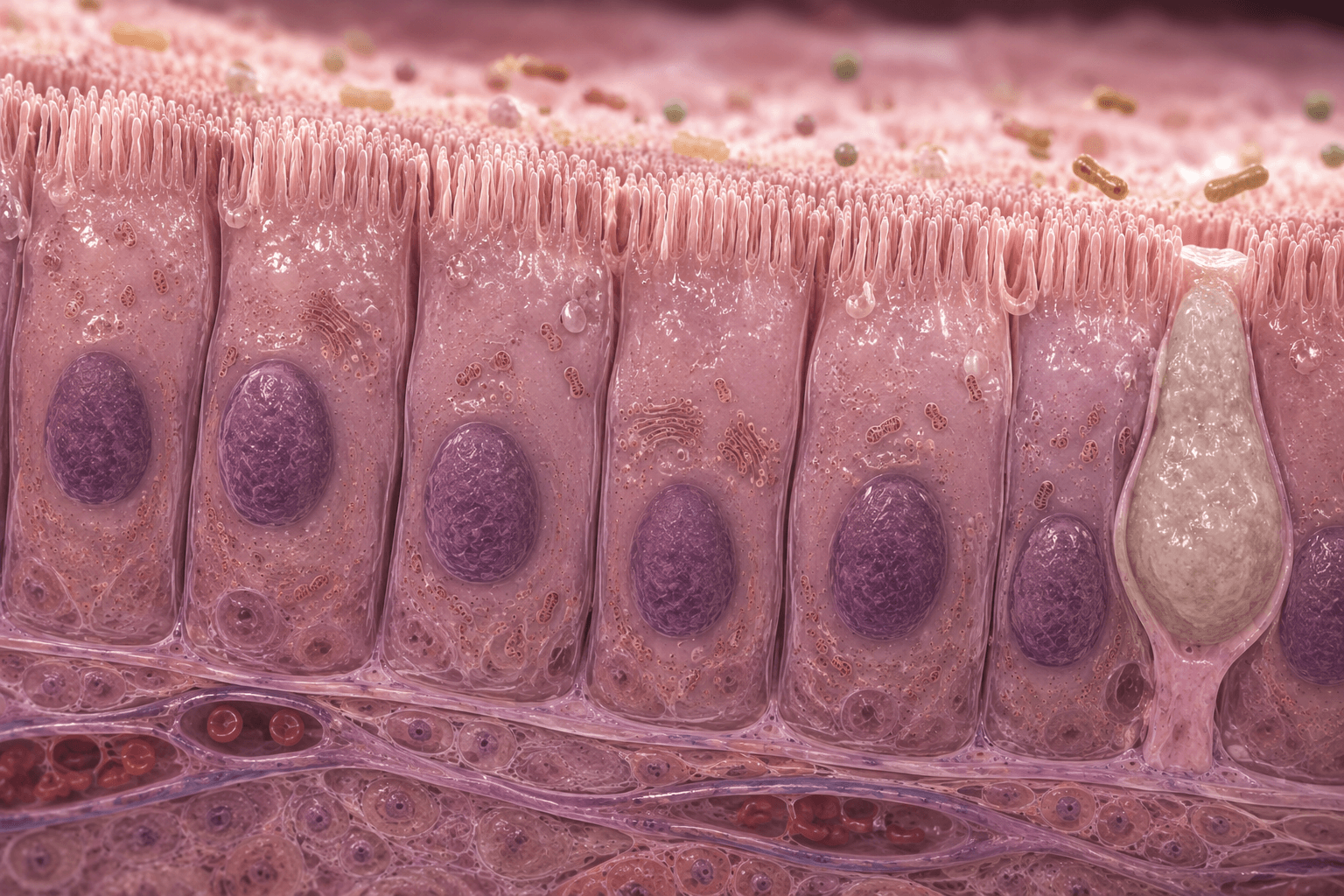
Enterocytes are the primary absorptive cells of the small intestine and are responsible for the majority of nutrient uptake that occurs following digestion. These highly specialized epithelial cells line the intestinal villi and possess dense microvilli that dramatically increase surface area for nutrient absorption. Through their activities, enterocytes serve as the main gateway through which dietary nutrients enter the body.
One of the most important functions of enterocytes is absorption of carbohydrates, amino acids, vitamins, minerals, water, and numerous other nutrients. Transport proteins located on their surface facilitate movement of nutrients across the intestinal barrier and into circulation. This process provides tissues throughout the body with the substrates required for growth, repair, metabolism, and physiological function.
Enterocytes also contribute significantly to intestinal barrier integrity. Tight junctions connecting adjacent cells regulate permeability and help prevent unwanted substances from entering underlying tissues. Through this barrier function, enterocytes participate in both digestive physiology and immune protection.
Because enterocytes are exposed continuously to dietary contents, microbes, digestive enzymes, and mechanical stress, they undergo rapid turnover and regeneration. Healthy stem cell activity, cellular repair systems, and nutrient availability are therefore essential for maintaining intestinal function.
Enterocytes depend upon pathways involving intestinal barrier regulation, protein synthesis, one-carbon metabolism, glutathione production, oxidative stress responses, and cellular energy metabolism. Zinc contributes to barrier integrity and tissue repair. Folate supports DNA synthesis and cellular renewal. Magnesium participates in metabolic reactions. Vitamin C provides antioxidant support. Beta-carotene contributes nutrients associated with epithelial health. Amino acids including glutamine, glycine, proline, and lysine support tissue maintenance.
Foods associated with enterocyte support include sweet potatoes, carrots, spinach, lentils, chickpeas, oats, bananas, apples, broccoli, and blueberries. These foods provide vitamins, minerals, fiber, antioxidants, and phytochemicals including quercetin, anthocyanins, carotenoids, and sulforaphane.
Enterocytes rely on antioxidant enzymes such as alkaline phosphatase, superoxide dismutase, catalase, and glutathione peroxidase to maintain cellular resilience.
As the primary absorptive cells of the digestive tract, enterocytes help transform nutrients from food into biological resources that support every tissue in the body. Their health is fundamental to nutrition, digestion, immunity, and overall physiological function.
Enterocytes are vital for nutrient absorption and require zinc, vitamin A precursors, folate, magnesium, amino acids, and polyphenols that support barrier integrity and repair.

