
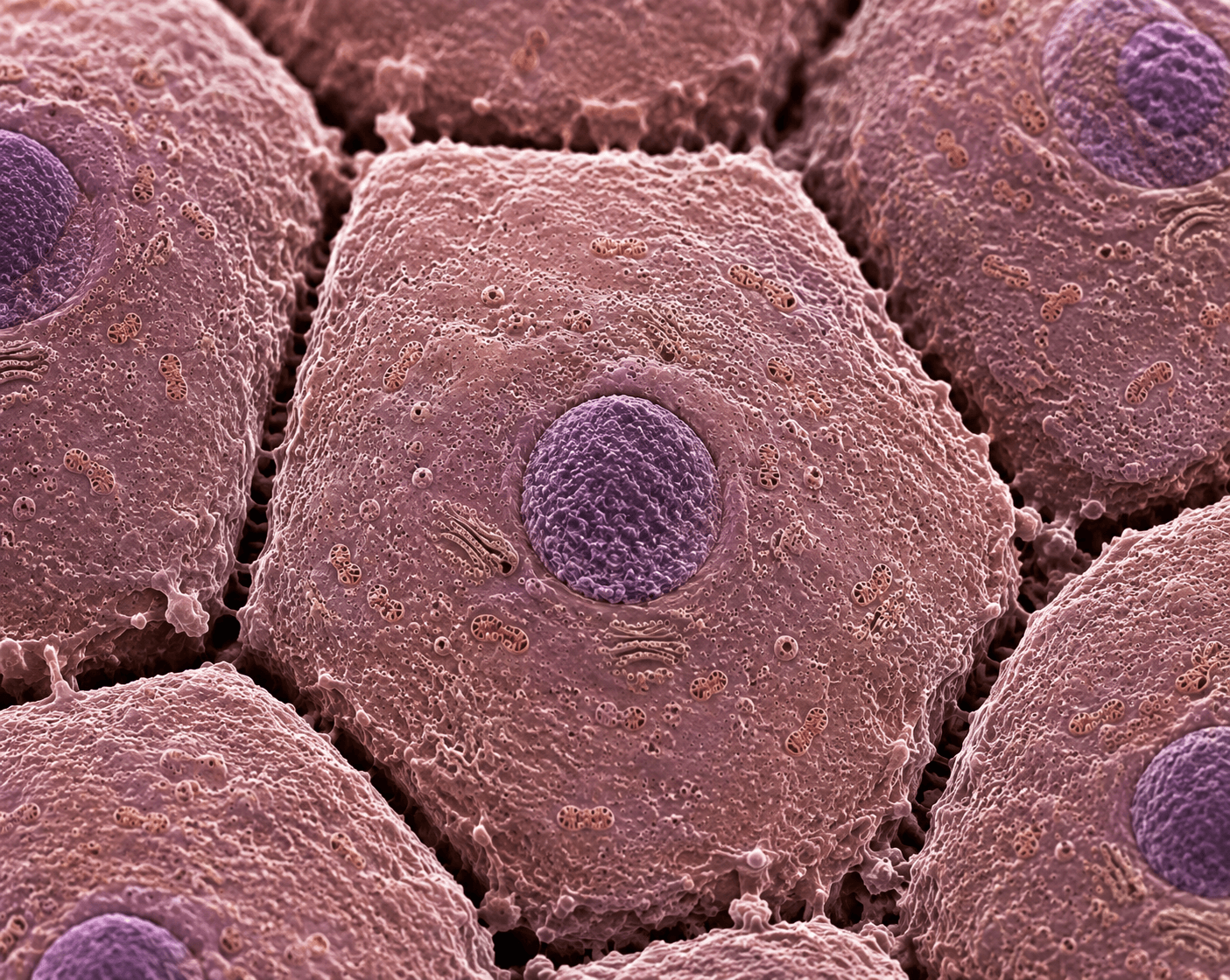
Hepatocytes are the principal functional cells of the liver and perform hundreds of biochemical tasks essential for survival. These large metabolically active cells occupy most of the liver mass and coordinate nutrient processing, glucose regulation, lipid metabolism, bile production, protein synthesis, detoxification, vitamin storage, and numerous other physiological functions. Because of their broad responsibilities, hepatocytes are among the most versatile and biochemically active cells in the human body.
One of the primary functions of hepatocytes is regulation of nutrient metabolism. Following digestion, absorbed nutrients enter the liver where hepatocytes determine whether nutrients will be stored, converted, utilized for energy production, or distributed throughout the body. These cells regulate glycogen storage, gluconeogenesis, lipid metabolism, cholesterol synthesis, and amino acid processing.
Hepatocytes also produce bile components required for digestion and absorption of dietary fats. Additionally, they synthesize numerous plasma proteins including albumin and transport proteins that help maintain fluid balance and nutrient distribution throughout the body.
These cells contain abundant mitochondria, endoplasmic reticulum, peroxisomes, and metabolic enzymes that support extensive biochemical activity. They participate in phase I and phase II detoxification systems that modify and eliminate endogenous metabolic byproducts and environmental compounds.
Healthy hepatocyte function depends on glutathione metabolism, Nrf2 signaling, one-carbon metabolism, fatty acid oxidation, glycogen metabolism, autophagy, and antioxidant defense pathways. Folate supports methylation and DNA synthesis. Choline contributes to lipid transport and membrane integrity. Vitamin C and vitamin E support antioxidant protection. Selenium, zinc, copper, methionine, cysteine, glycine, and glutamate contribute to glutathione synthesis and cellular defense.
Foods associated with hepatocyte support include broccoli, cauliflower, Brussels sprouts, garlic, onion, lentils, black beans, oats, blueberries, and green tea. These foods provide phytochemicals such as sulforaphane, quercetin, chlorogenic acid, anthocyanins, and allicin.
Hepatocytes rely heavily on antioxidant enzymes including glutathione-S-transferase, superoxide dismutase, catalase, glutathione peroxidase, and cytochrome P450 systems. Nutritional support for these pathways helps maintain normal liver function and cellular resilience.
As the central metabolic cells of the liver, hepatocytes regulate energy metabolism, nutrient handling, detoxification, and biochemical homeostasis. Their activity influences virtually every physiological system through their extensive role in maintaining internal metabolic balance.
Hepatocytes are central to whole-body metabolism and need steady antioxidant protection, methylation nutrients, sulfur-containing amino acids, fiber-derived metabolites, and phytochemicals that support phase I/II detoxification systems.

