
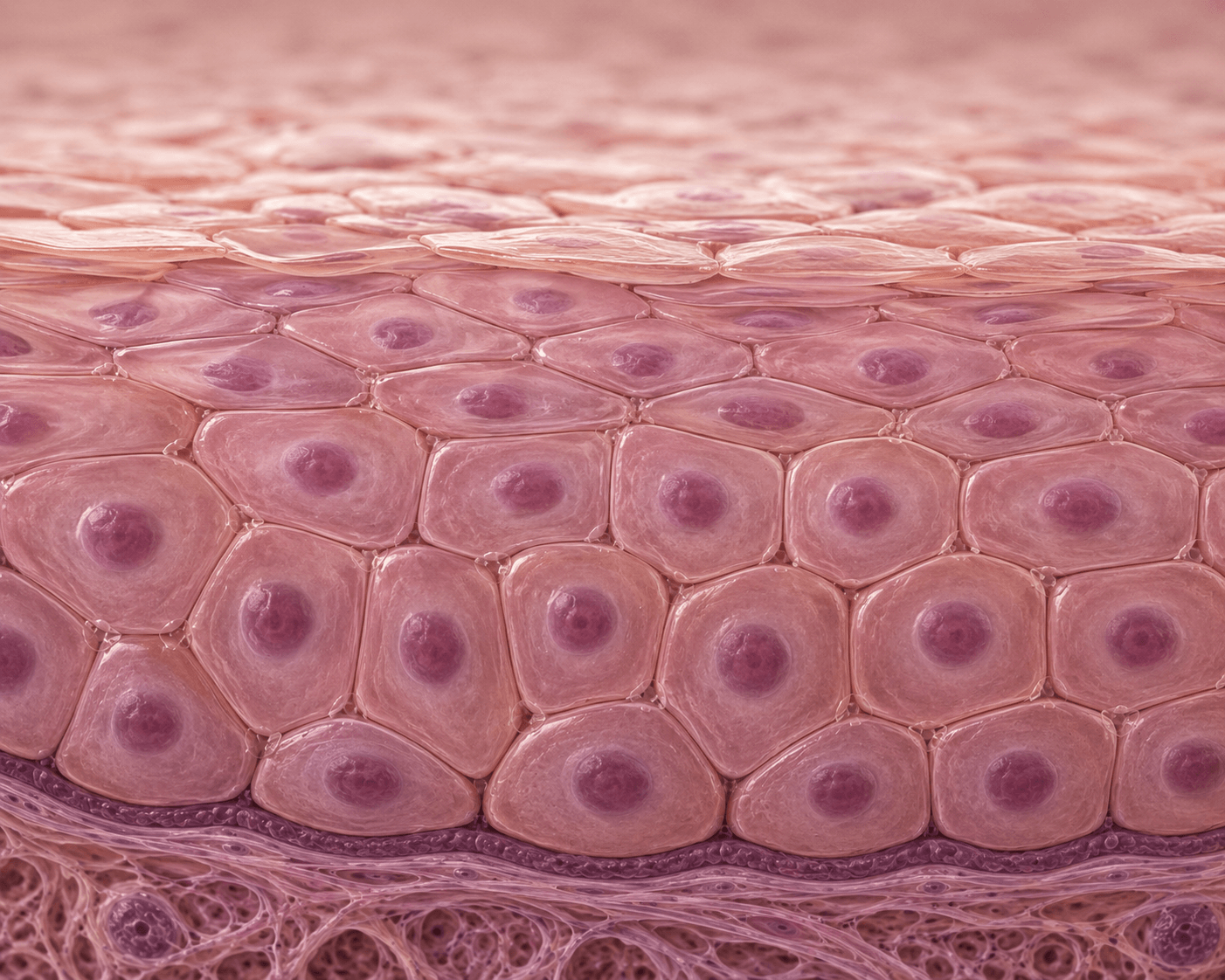
Keratinocytes are the dominant cells of the epidermis and form the primary protective barrier between the body and the external environment. These specialized epithelial cells produce keratin proteins, contribute to immune defense, regulate water balance, and participate in wound healing. Keratinocytes represent the majority of cells within the outer layers of the skin.
The primary function of keratinocytes is formation of the epidermal barrier. As these cells mature, they migrate from deeper layers of the epidermis toward the surface while producing increasing amounts of keratin. Eventually they form the outer protective layer that helps shield the body from physical injury, pathogens, chemical exposure, and excessive water loss.
Keratinocytes also contribute to immune surveillance. These cells can recognize environmental stressors and communicate with immune cells through signaling molecules. Their ability to respond to injury and infection helps maintain skin integrity and support protective responses.
Continuous renewal is a defining characteristic of keratinocyte biology. New keratinocytes are generated within the basal layer of the epidermis and gradually replace older cells shed from the skin surface. This process allows ongoing maintenance and repair of the epidermal barrier.
Healthy keratinocyte function depends upon pathways involved in skin barrier formation, collagen synthesis, DNA repair, oxidative stress regulation, and cellular renewal. Vitamin C supports collagen-related processes. Beta-carotene serves as a precursor for vitamin A-related functions important to epithelial tissues. Zinc, copper, selenium, and magnesium contribute to cellular maintenance and enzymatic activity. Amino acids including lysine, proline, and glycine support structural proteins and tissue repair.
Foods associated with keratinocyte support include sweet potatoes, carrots, kale, spinach, red bell peppers, oranges, kiwi, broccoli, almonds, and sunflower seeds. These foods provide antioxidants, carotenoids, vitamins, minerals, fiber, and phytochemicals including beta-carotene, lutein, quercetin, and sulforaphane.
Keratinocytes utilize enzymes such as superoxide dismutase, catalase, and glutathione peroxidase to support antioxidant defenses and cellular protection. Hormonal influences include thyroid hormone and insulin, which affect growth and metabolism.
As the principal cells of the epidermis, keratinocytes create the skin barrier, participate in immune defense, support tissue repair, and protect the body from environmental challenges. Their function depends upon continuous renewal, nutrient availability, cellular protection mechanisms, and maintenance of structural integrity.
Keratinocytes require antioxidant nutrients, carotenoids, vitamin C, amino acids, and minerals involved in collagen formation and barrier maintenance.

