
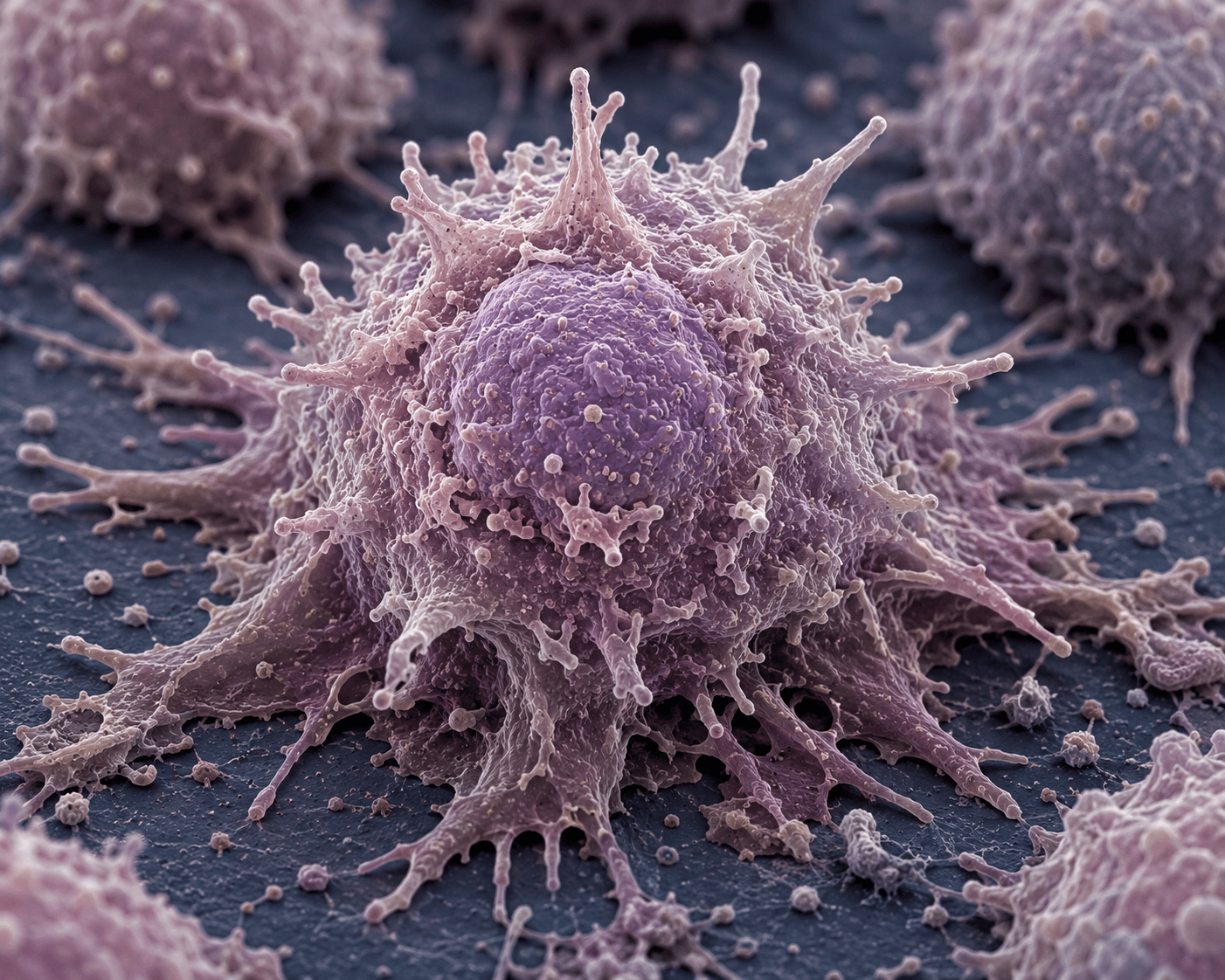
Macrophages are large immune cleanup cells that engulf pathogens, damaged cells, and cellular debris while coordinating inflammation and repair.
Macrophages are large phagocytic immune cells that remove pathogens, damaged cells, cellular debris, and foreign material from tissues. They are found throughout the body and adapt to the needs of each organ environment. Macrophages arise from circulating monocytes and from tissue resident immune lineages established during development. In different organs they receive specialized names, but their central functions remain cleanup, defense, signaling, and repair.
Macrophages engulf material through phagocytosis. During this process, the cell membrane surrounds a target and forms an internal compartment called a phagosome. The phagosome joins with lysosomes that contain digestive enzymes and antimicrobial compounds. This allows macrophages to break down microbes, dead cells, damaged proteins, and tissue fragments. This function is essential after injury, during infection, and during normal tissue renewal.
Macrophages also serve as immune communication cells. They release cytokines, chemokines, growth signals, and inflammatory mediators that guide other immune cells to the correct location. They can present antigen fragments to lymphocytes, helping connect innate immune detection with adaptive immune response. Macrophages help regulate whether inflammation increases, resolves, or shifts toward tissue repair.
Macrophage activity is flexible. In a defensive state, macrophages increase microbial killing, reactive oxygen production, and inflammatory signaling. In a repair state, they support debris clearance, blood vessel growth, extracellular matrix remodeling, and wound resolution. Healthy immune balance depends on this ability to shift according to tissue needs. Prolonged activation can increase oxidative stress, while weak macrophage activity can reduce cleanup and defense.
Macrophages require energy production, amino acid supply, mineral dependent enzymes, antioxidant systems, and membrane signaling nutrients. Zinc, selenium, iron, magnesium, vitamin C, folate, arginine, glutamine, and glycine support phagocytosis, redox balance, protein synthesis, and immune communication. Plant foods such as broccoli, garlic, onion, lentils, black beans, oranges, kiwi, blueberries, strawberries, and green tea provide vitamins, minerals, sulfur compounds, flavonoids, and fiber that help support regulated immune function.
Fiber rich foods can influence macrophage behavior through short chain fatty acids produced by the gut microbiome. Polyphenols and cruciferous vegetable compounds help support cellular antioxidant pathways, including redox regulation and inflammatory balance. Allium vegetables provide sulfur compounds involved in cellular defense systems.
Macrophages are central to immune protection, cleanup, tissue repair, and inflammatory resolution. Their ability to engulf harmful material, coordinate immune signaling, remodel tissue, and support healing makes them one of the most important cell types for maintaining tissue resilience throughout the body.
Macrophages are central regulators of immune defense and tissue remodeling and require antioxidant support, amino acids, minerals, and anti-inflammatory phytochemicals.

