
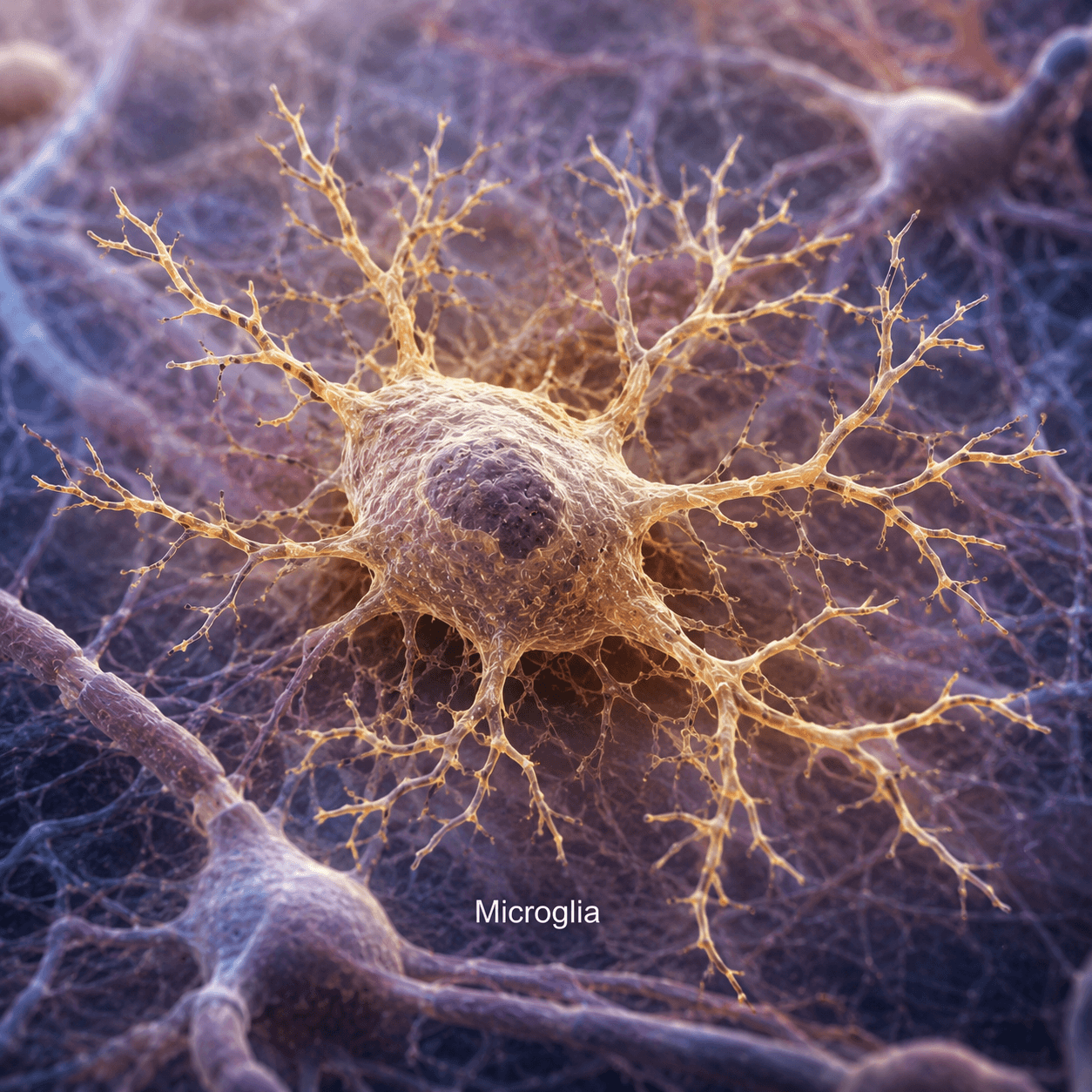
Microglia are specialized immune cells residing within the central nervous system. They serve as the primary immune surveillance cells of the brain and spinal cord and play important roles in monitoring neural tissues, removing debris, responding to injury, regulating inflammation, and supporting neural development. Unlike many immune cells that circulate throughout the body, microglia remain within nervous tissue where they continuously survey their local environment.
One of the defining characteristics of microglia is their ability to rapidly detect changes within neural tissues. Through highly dynamic cellular processes, microglia monitor surrounding neurons, synapses, blood vessels, and extracellular structures. When tissue injury, infection, or cellular stress occurs, microglia can alter their activity to support protective responses.
Microglia also participate in removal of damaged cells, protein aggregates, cellular debris, and unnecessary synaptic connections. During development and throughout life, this process contributes to maintenance and refinement of neural networks. Through carefully regulated activity, microglia help support neural tissue integrity.
The function of microglia depends on antioxidant defenses, cellular energy production, inflammatory signaling pathways, autophagy, and communication with neurons and astrocytes. Vitamin C and vitamin E contribute antioxidant protection. Magnesium, zinc, selenium, and folate support metabolic and cellular functions. Amino acids including glycine, glutamate, and cysteine participate in pathways associated with cellular maintenance and antioxidant production.
Foods associated with microglial support include blueberries, strawberries, broccoli, green tea, turmeric, ginger, spinach, lentils, walnuts, and ground flaxseed. These foods provide antioxidants and phytochemicals including anthocyanins, curcumin, gingerol, catechins, sulforaphane, and quercetin.
Microglia participate in Nrf2 signaling, inflammation resolution pathways, oxidative stress regulation, autophagy, and glutathione metabolism. Enzymes including superoxide dismutase, catalase, glutathione peroxidase, and cyclooxygenase contribute to cellular responses and regulation.
As resident immune cells of the nervous system, microglia help preserve neural health through surveillance, debris clearance, tissue maintenance, and regulation of inflammatory activity. Their function contributes significantly to the long-term integrity of brain and spinal cord tissues.
Microglia require antioxidant and inflammation-resolving support because overactivation can increase oxidative stress and neural tissue injury.

