
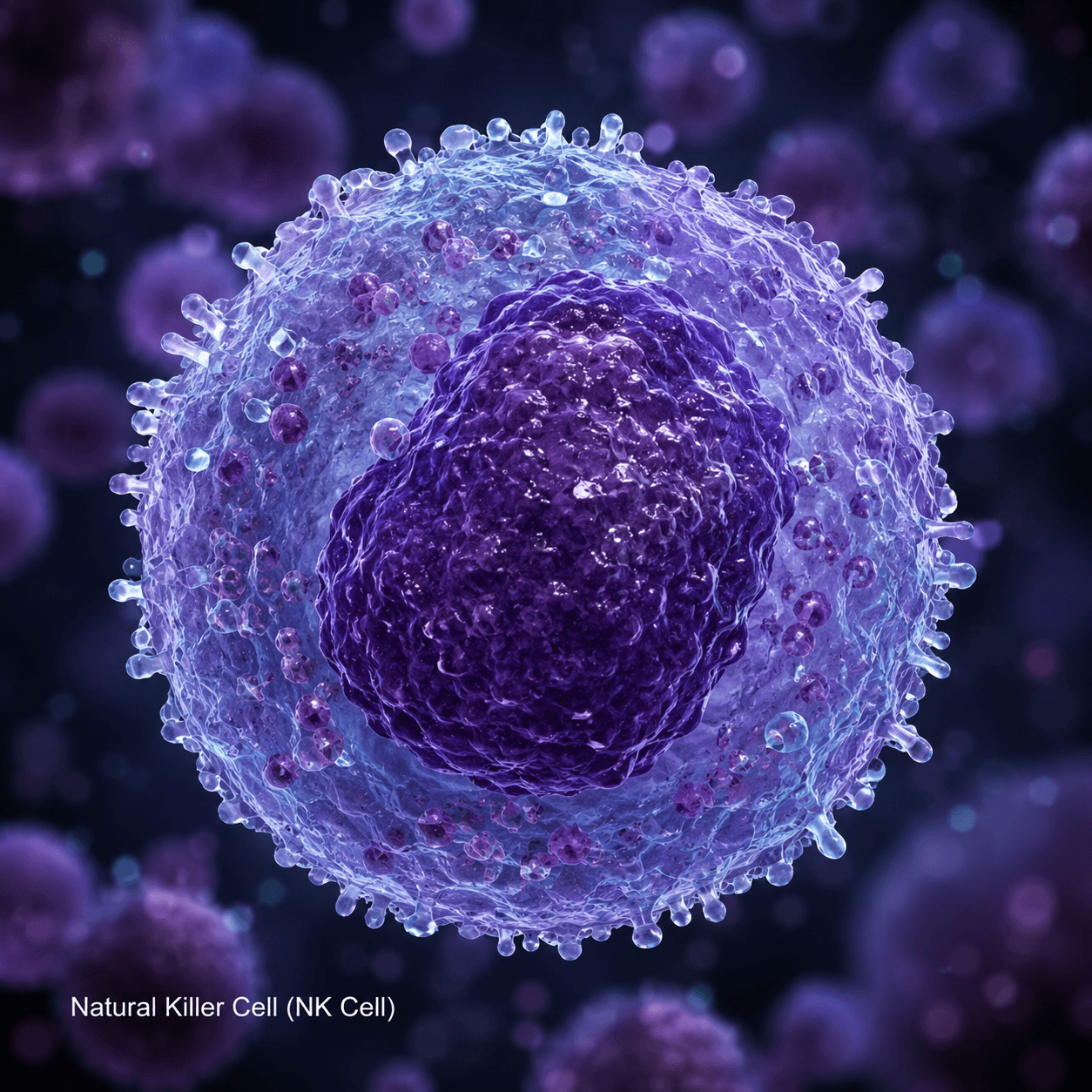
Natural killer cells are innate immune cells that rapidly identify and destroy infected, stressed, or abnormal cells without prior exposure.
Natural killer cells are specialized immune cells that provide rapid defense against infected, stressed, or abnormal cells. Unlike adaptive immune cells that require prior exposure to specific antigens, natural killer cells function as part of the innate immune system and can respond immediately to cellular abnormalities. Their ability to recognize and eliminate compromised cells makes them important participants in immune surveillance.
The primary function of natural killer cells is identification and destruction of target cells displaying signs of infection, cellular stress, or abnormal signaling patterns. These cells continuously patrol tissues and circulation, monitoring for alterations in surface molecules that may indicate cellular dysfunction.
Natural killer cells contain cytotoxic granules filled with proteins capable of triggering programmed cell death in target cells. When activated, they release these molecules directly onto abnormal cells, initiating highly regulated destruction while minimizing damage to surrounding healthy tissue.
In addition to direct cytotoxic activity, natural killer cells produce signaling molecules that influence other immune populations. Through communication with macrophages, dendritic cells, T cells, and additional immune cells, natural killer cells help coordinate broader immune responses and support defense mechanisms throughout the body.
Natural killer cell activity depends upon pathways involved in immune surveillance, cellular signaling, apoptosis, oxidative stress regulation, and immune communication. These cells undergo substantial metabolic activity during activation and therefore require efficient energy production and antioxidant protection.
Nutrients associated with natural killer cell support include zinc, selenium, iron, vitamin C, folate, arginine, glutamine, and magnesium. These nutrients contribute to cellular metabolism, antioxidant defense, protein synthesis, and immune signaling functions.
Foods associated with natural killer cell support include broccoli, garlic, oranges, kiwi, lentils, black beans, pumpkin seeds, sunflower seeds, blueberries, and strawberries. These foods provide vitamins, minerals, fiber, amino acids, and phytochemicals associated with immune-supportive pathways.
Important enzymes include superoxide dismutase, catalase, and glutathione peroxidase, which help regulate oxidative stress generated during immune activation. Hormonal influences include interleukin-15 and cortisol, which affect natural killer cell development and function.
Phytochemicals such as quercetin, sulforaphane, anthocyanins, and allicin contribute antioxidant and signaling properties associated with cellular protection. These compounds are frequently studied for their interactions with immune-related pathways.
As rapid responders within the innate immune system, natural killer cells provide immune surveillance, cytotoxic defense, and support for coordinated immune responses. Their effectiveness depends upon balanced signaling, adequate nutrient availability, antioxidant protection, and proper regulation of immune activation.
Natural killer cells depend on nutrient availability, amino acids, antioxidant defense systems, and signaling pathways involved in immune surveillance.

