
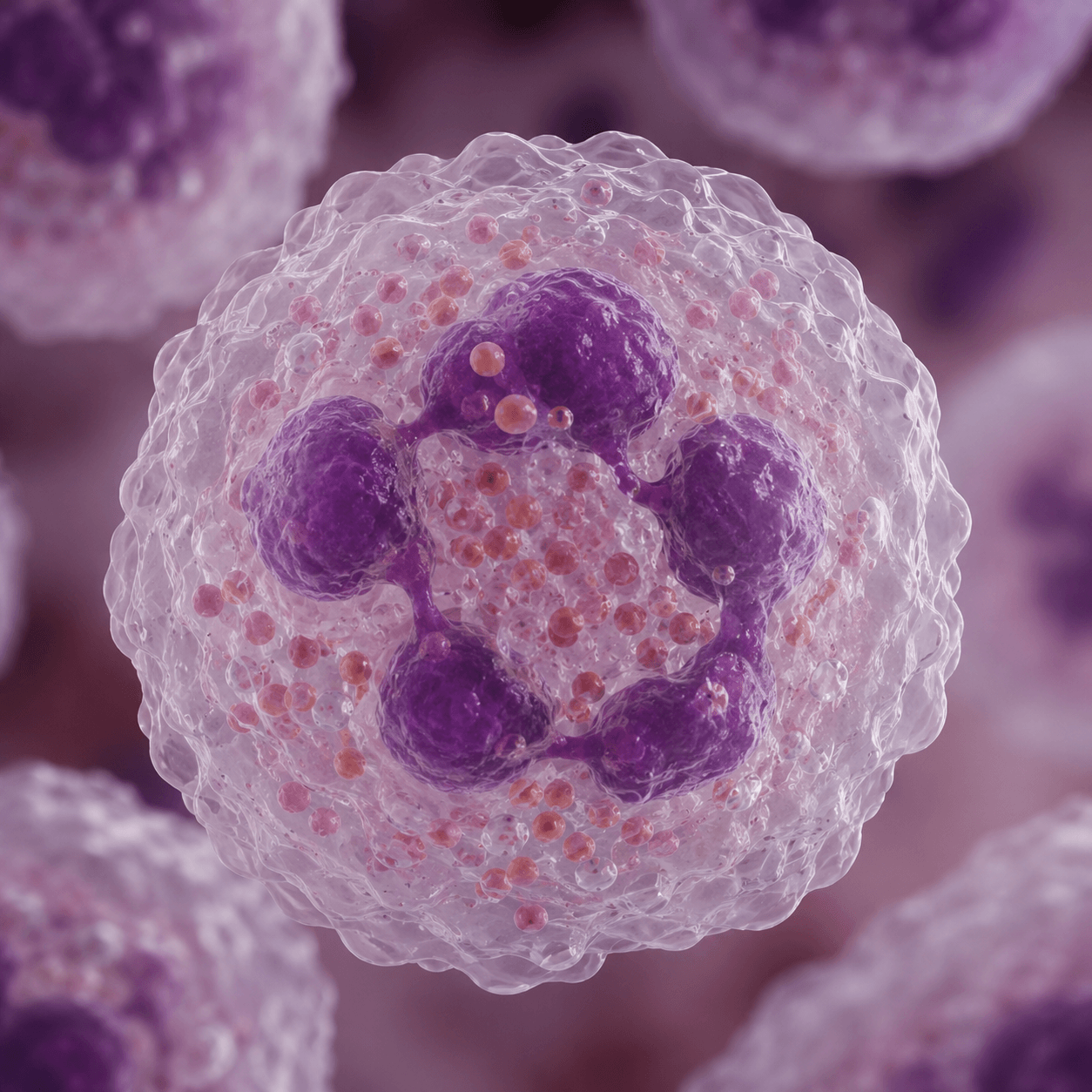
Neutrophils are rapid response white blood cells that move quickly to infection or injury sites for early immune defense.
Neutrophils are fast acting white blood cells that form the largest population of circulating leukocytes. They are produced in the bone marrow and released into the bloodstream, where they patrol for signs of infection, tissue injury, or inflammatory activation. Neutrophils are especially important during the earliest phase of immune defense because they can move quickly from blood into affected tissues.
When tissues release distress signals, neutrophils follow chemical gradients toward the site of injury or infection. This movement is called chemotaxis. After reaching the target area, neutrophils attach to blood vessel walls, pass between endothelial cells, and enter tissues. There they identify microbes, engulf them through phagocytosis, and expose them to antimicrobial enzymes and reactive oxygen compounds.
Neutrophils contain granules filled with defensive molecules. These granules include enzymes, antimicrobial peptides, and proteins that help destroy bacteria and other harmful particles. A major neutrophil defense process is the oxidative burst, where the cell rapidly produces reactive oxygen species to damage engulfed microbes. This process is effective but must be tightly controlled because excess oxidative activity can injure nearby tissue.
Neutrophils can also form neutrophil extracellular traps. These web like structures contain DNA and antimicrobial proteins that help trap microbes. This mechanism can support defense, but it also requires careful regulation to avoid excessive inflammatory stress. After completing their immune role, neutrophils normally undergo apoptosis and are cleared by macrophages, helping inflammation resolve.
Neutrophil production and function depend on folate supported cell division, iron containing enzymes, vitamin C, zinc, selenium, magnesium, protein synthesis, and antioxidant defense. Vitamin C accumulates in white blood cells and supports immune activity and redox balance. Zinc and selenium support enzyme systems involved in immune function and oxidative control. Plant foods such as oranges, kiwi, broccoli, spinach, lentils, black beans, blueberries, strawberries, pumpkin seeds, and garlic provide vitamins, minerals, sulfur compounds, fiber, and polyphenols that support immune readiness.
Because neutrophils are short lived and rapidly produced, nutrient sufficiency is important for maintaining adequate numbers and proper function. Whole plant foods rich in antioxidants help support a balanced response to oxidative stress generated during immune defense. Fiber rich foods also influence inflammatory tone through gut derived metabolites.
Neutrophils are essential first responders. Their rapid movement, microbial killing ability, oxidative burst, granule release, and role in inflammatory resolution make them a critical part of early protection and tissue recovery.
Neutrophils require energy, antioxidant systems, and adequate micronutrients to balance microbial defense and oxidative stress.

