
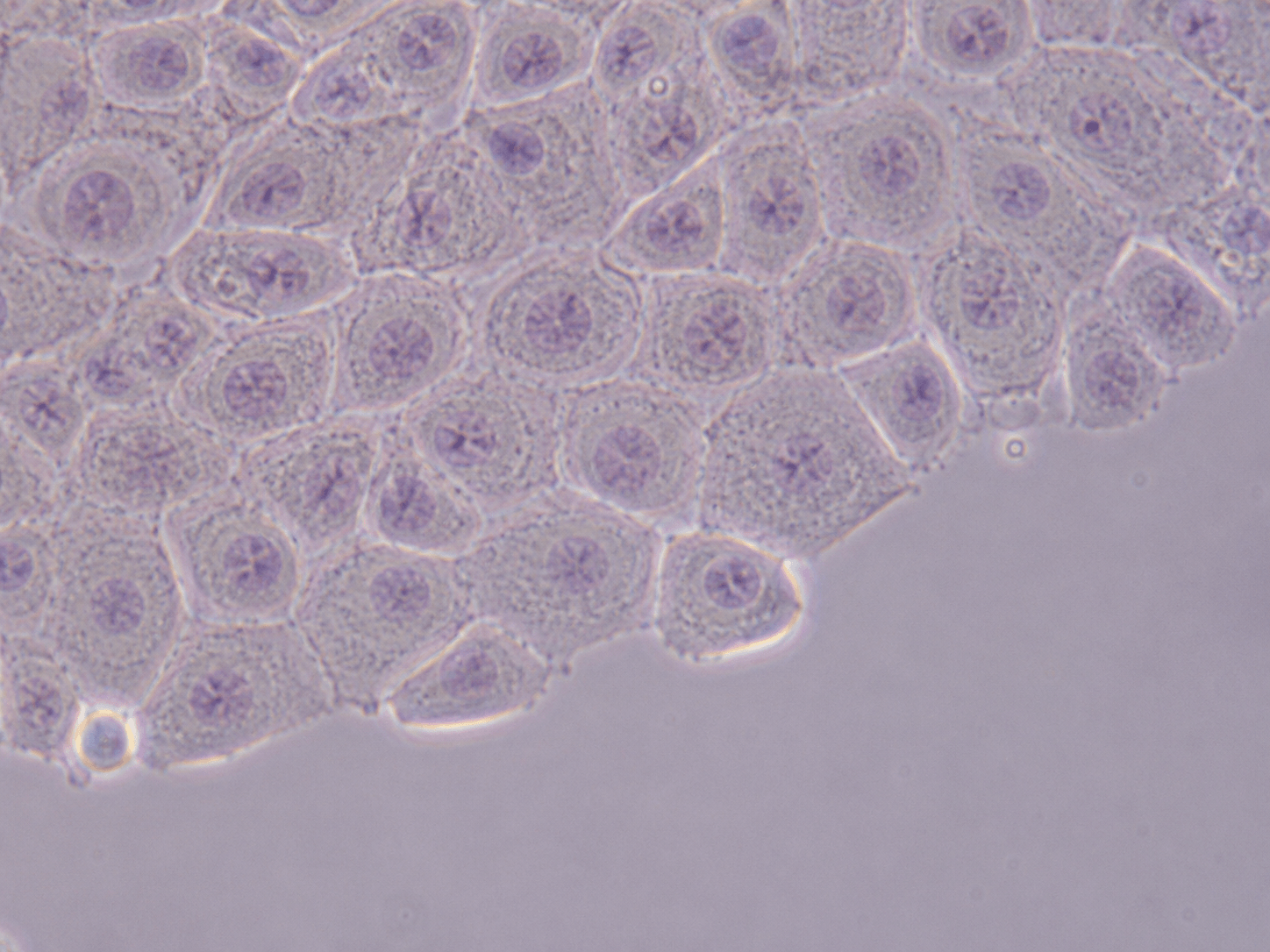
Ovarian surface epithelial cells cover the ovary and participate in tissue protection, repair, and reproductive system maintenance.
Ovarian surface epithelial cells form the outermost cellular layer covering the ovary. These specialized epithelial cells provide a protective barrier for ovarian tissue while participating in ovulation-related repair, cellular maintenance, tissue remodeling, and communication with the surrounding reproductive environment. Although only a single layer of cells thick, the ovarian surface epithelium plays an important role in preserving ovarian structure and supporting normal reproductive physiology.
One of the primary functions of ovarian surface epithelial cells is protection of underlying ovarian tissue. The ovary undergoes repeated cycles of follicular development, ovulation, and tissue repair throughout reproductive life. During ovulation, the ovarian surface experiences localized disruption as a mature follicle releases an oocyte. Following this event, ovarian surface epithelial cells participate in wound healing processes that restore tissue continuity and maintain organ integrity.
These cells are highly responsive to hormonal signaling. Estrogen, progesterone, and additional reproductive hormones influence cellular growth, differentiation, metabolism, and tissue remodeling. Through these interactions, ovarian surface epithelial cells contribute to the dynamic biological environment necessary for ovarian function.
Ovarian surface epithelial cells depend on healthy DNA repair mechanisms, antioxidant defense systems, cellular energy production, and balanced hormone metabolism. Because ovulation involves repeated cycles of tissue disruption and regeneration, effective cellular maintenance pathways are important for preserving long-term tissue integrity. Cellular signaling pathways regulating apoptosis, proliferation, and repair help maintain normal epithelial structure.
Nutrients associated with ovarian epithelial support include folate, vitamin C, vitamin E, selenium, and zinc. Folate contributes to DNA synthesis and cellular renewal. Vitamins C and E participate in antioxidant protection. Selenium and zinc support antioxidant enzyme systems and cellular maintenance. Foods including broccoli, cauliflower, kale, blueberries, strawberries, oranges, kiwi, lentils, black beans, and ground flaxseed provide nutrients and phytochemicals associated with reproductive tissue support.
These cells participate in pathways involving DNA repair, apoptosis regulation, estrogen metabolism, oxidative stress responses, cellular communication, and tissue remodeling. Sulforaphane, lignans, anthocyanins, and quercetin are examples of phytochemicals found in plant foods that interact with many of these biological pathways.
Dietary fiber contributes to healthy hormone metabolism and supports elimination of metabolic byproducts through digestive processes. Diverse plant foods provide vitamins, minerals, antioxidants, and bioactive compounds that contribute to the nutritional environment supporting ovarian tissues.
Ovarian surface epithelial cells play an essential role in maintaining ovarian integrity. Through protection of ovarian tissue, participation in ovulation-related repair, regulation of cellular turnover, and interaction with reproductive signaling pathways, they help support long-term ovarian structure and function.
These cells require antioxidant protection, DNA repair support, and healthy hormone metabolism.
SUMMARY OF CELL SUPPORTnnThis cell strongly benefits from:n• Cruciferous vegetable compoundsn• Folate-supported DNA repairn• Antioxidant protectionn• Fiber-supported hormone metabolismn• Selenium and zinc support

