
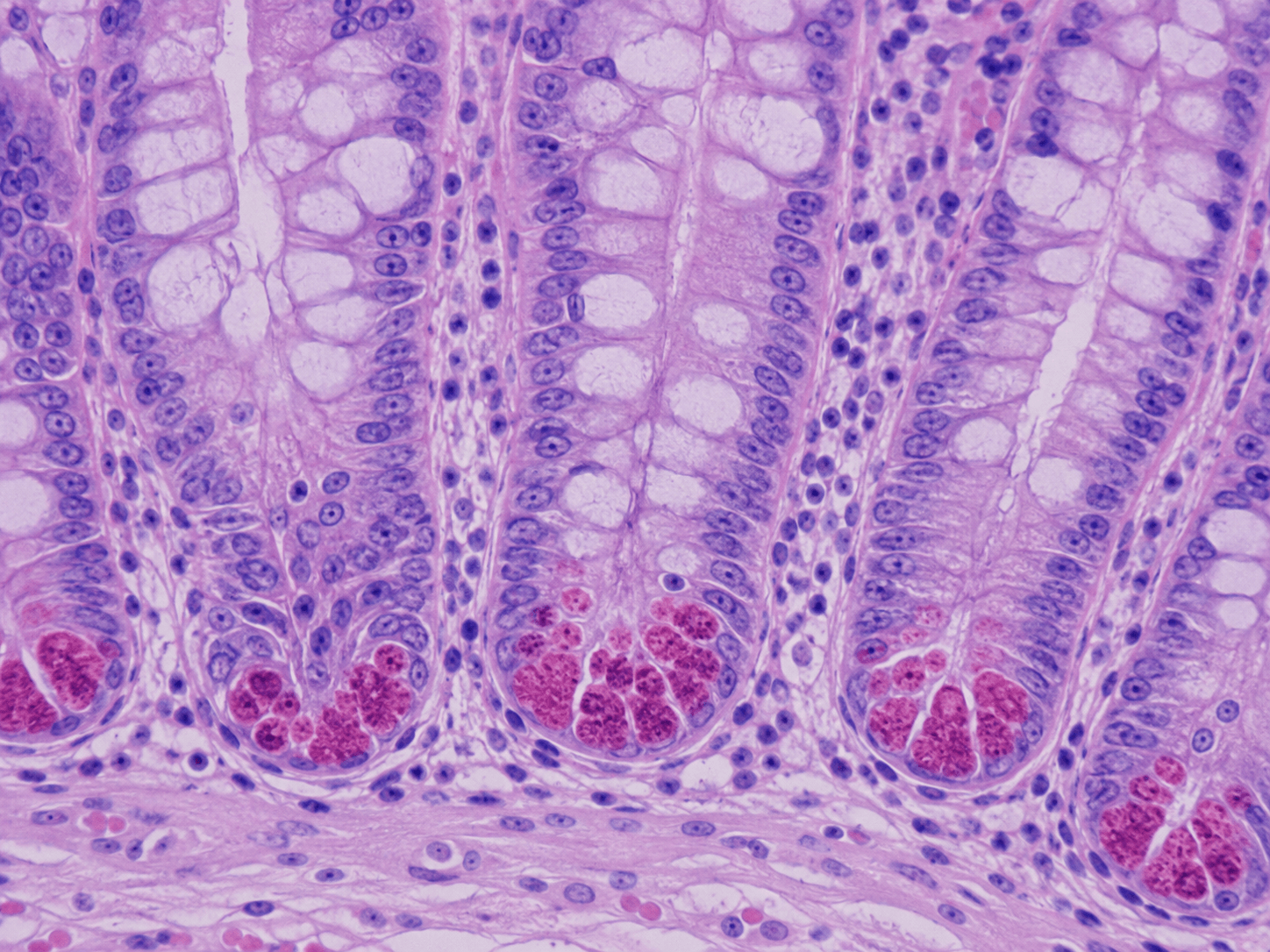
Paneth cells produce antimicrobial peptides that regulate gut microbes and support intestinal stem cell function.
Paneth cells are highly specialized secretory epithelial cells located at the base of the crypts of Lieberkühn within the small intestine. They play a critical role in maintaining intestinal health by producing antimicrobial peptides, regulating microbial populations, supporting intestinal stem cells, and contributing to barrier defense throughout the digestive tract. Unlike absorptive enterocytes that migrate rapidly toward the villus tip, Paneth cells remain near the crypt base where they help create a protected environment essential for long-term intestinal renewal.
One of the most important functions of Paneth cells is the secretion of antimicrobial molecules including lysozyme, defensins, phospholipase A2, and other protective proteins. These compounds help regulate microbial populations within the intestinal lumen and prevent excessive bacterial invasion of intestinal tissues. Through this activity, Paneth cells contribute to maintaining a balanced relationship between the host and the gut microbiome.
Paneth cells also support intestinal stem cells through direct signaling interactions. Stem cells responsible for renewing the intestinal lining reside adjacent to Paneth cells within the crypts. Paneth cells release signaling molecules that help regulate stem cell survival, proliferation, differentiation, and tissue regeneration. This relationship is essential because the intestinal lining is one of the fastest renewing tissues in the human body.
The function of Paneth cells depends on healthy cellular energy production, antioxidant defense systems, protein synthesis pathways, and nutrient availability. Zinc participates in immune defense and protein function. Selenium contributes to antioxidant enzyme activity. Magnesium supports cellular metabolism and energy production. Vitamin C and folate support tissue maintenance and cellular repair. Foods such as garlic, onion, broccoli, lentils, black beans, oats, blueberries, strawberries, oranges, and kiwi provide nutrients and phytochemicals associated with intestinal cellular support.
Paneth cells actively participate in pathways related to oxidative stress regulation, antimicrobial defense, intestinal immunity, and epithelial maintenance. Their secretory activity requires coordinated cellular signaling, protein synthesis, and intracellular transport systems. Because they continuously interact with microbial populations, they rely heavily on antioxidant mechanisms that help preserve cellular integrity.
Fiber-rich plant foods help support microbial diversity and the production of beneficial metabolites that influence intestinal health. Polyphenols, flavonoids, sulfur-containing compounds, vitamins, and minerals contribute to the nutritional environment that supports healthy intestinal physiology.
Paneth cells serve as guardians of the intestinal crypt environment. Through antimicrobial peptide production, stem cell support, microbial regulation, and barrier protection, they help maintain digestive integrity and support long-term renewal of the intestinal lining.
Paneth cells require nutrients supporting immune defense, antioxidant systems, and intestinal barrier integrity.

