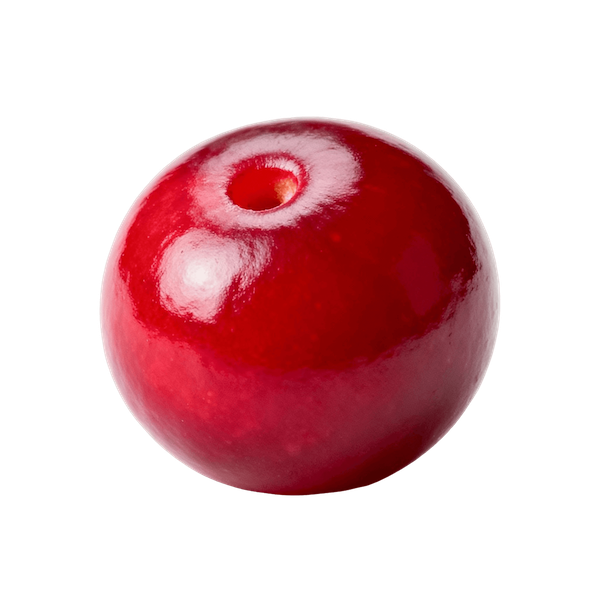
Lingonberry (cowberry)

Lingonberry (cowberry)

FamilyEricaceae
Importance
Lingonberry is a small red northern berry from Vaccinium vitis-idaea, valued for its tart flavor, fiber, vitamin C, manganese, organic acids, and concentrated polyphenol profile. The fruit grows in cool forests, bog edges, heathlands, and Arctic or subarctic regions, where it is commonly harvested for sauces, preserves, juices, porridges, fruit preparations, and traditional northern foods. Per 100 g, lingonberry is mostly water with natural carbohydrate, fiber, organic acids, low fat, and modest protein. Its sharp taste comes from acids and tannin-like compounds, while its red color reflects anthocyanins and other phenolic pigments.

Lingonberry supports everyday nourishment through fiber, vitamin C, minerals, and berry polyphenols. Fiber supports digestive movement, stool bulk, and gut microbial fermentation. Vitamin C contributes to collagen formation, antioxidant recycling, immune barrier function, and connective tissue maintenance. Manganese supports enzyme systems involved in connective tissue formation, carbohydrate metabolism, and antioxidant defense. The fruit also contains pectin and organic acids that contribute to texture, tartness, and digestive support.

For cancer and ailment-support nutrition, lingonberry is relevant because Vaccinium vitis-idaea contains anthocyanins, proanthocyanidins, flavonols, phenolic acids, arbutin, resveratrol-related stilbenes, quercetin derivatives, catechins, chlorogenic acid, vitamin C, and fiber. These compounds connect to Nrf2-related antioxidant response, NF-kB inflammatory signaling balance, AMPK-linked metabolic regulation, insulin-related carbohydrate handling, endothelial function, phase II detoxification enzyme signaling, apoptosis-related cell signaling, cell-cycle regulation, and gut fermentation pathways supported by fiber. Lingonberry does not act as a standalone disease solution, but the whole berry contributes redox-active pigments, digestive fiber, organic acids, minerals, and polyphenols tied to cellular resilience, vascular support, inflammatory signaling balance, digestive function, and normal metabolic regulation.

Lingonberries pair well with apples, pears, oats, citrus, cinnamon, ginger, walnuts, almonds, root vegetables, whole grains, and other berries. Their strongest nutritional identity is the combination of tart northern berry acidity, red anthocyanin pigments, proanthocyanidins, arbutin-related compounds, pectin, vitamin C, and Vaccinium-family polyphenols. They support fruit diversity, digestive health patterns, antioxidant nutrient intake, carbohydrate metabolism, endothelial function, inflammatory signaling balance, and pathways tied to cellular repair and tissue protection.

Region FoundLingonberry Vaccinium vitis-idaea grows across northern Europe, Scandinavia, Russia, the Baltic region, Iceland, Greenland, Canada, Alaska, and northern or high-elevation regions of the United States. It is common in acidic soils, boreal forests, heathlands, peatlands, tundra margins, alpine areas, and cool northern habitats.
Helps Fight These Cancers: Oral Cavity Pharynx Larynx Cancer, Colon Cancer, Gastric Cancer
Helps Fight These Ailments: Urinary Tract Health, Antioxidant Defense, Metabolic Health
Linked Hormones:

All values per 100g
Nutrition Facts
Calories (kcal)44
Protein (g)0.7
Carbohydrates (g)7
Fiber (g)4
Sugars (g)7
Total Fat (g)0.6
Saturated Fat (g)0
Vitamins
Vitamin A (µg RAE)1
Vitamin C (mg)8
Vitamin D (µg)0
Vitamin E (mg)1.5
Vitamin K (µg)0
Vitamin B1 / Thiamin (mg)0.01
Vitamin B2 / Riboflavin (mg)0.01
Vitamin B3 / Niacin (mg)0.6
Vitamin B5 / Pantothenic Acid (mg)0
Vitamin B6 (mg)0.02
Vitamin B7 / Biotin (µg)0
Folate B9 (µg)22
Vitamin B12 (µg)0
Vitamin Detail Pages
Minerals
Calcium (mg)25
Iron (mg)0.3
Magnesium (mg)11
Phosphorus (mg)26
Potassium (mg)118
Sodium (mg)0
Zinc (mg)0.2
Copper (mg)0.1
Manganese (mg)0
Selenium (µg)0
Iodine (µg)0
Mineral Detail Pages
Amino Acids
Alanine (mg)0 mg
Arginine (mg)0 mg
Asparagine (mg)0 mg
Aspartic Acid (mg)0 mg
Cysteine (mg)0 mg
Glutamic Acid (mg)0 mg
Glutamine (mg)0 mg
Glycine (mg)0 mg
Histidine (mg)0 mg
Isoleucine (mg)0 mg
Leucine (mg)0 mg
Lysine (mg)0 mg
Methionine (mg)0 mg
Phenylalanine (mg)0 mg
Proline (mg)0 mg
Serine (mg)0 mg
Threonine (mg)0 mg
Tryptophan (mg)0 mg
Tyrosine (mg)0 mg
Valine (mg)0 mg
Amino Acid Detail Pages
Phytochemicals
Anthocyanins, cyanidin glycosides, proanthocyanidins, flavonols, quercetin derivatives, catechins, chlorogenic acid, caffeic acid derivatives, phenolic acids, arbutin, resveratrol-related stilbenes, organic acids, pectin, vitamin C, manganese, potassium, and Vaccinium-family polyphenols. Research references: Mane C, Loonis M, Juhel C, Dufour C, Malien-Aubert C. Food grade lingonberry extract: polyphenolic composition and in vivo protective effect against oxidative stress. Journal of Agricultural and Food Chemistry. 2011. Bujor OC, Ginies C, Popa VI, Dufour C. Phenolic compounds and antioxidant activity of lingonberry Vaccinium vitis-idaea L leaf, stem and fruit at different harvest periods. Food Chemistry. 2018. Isaak CK, Petkau JC, O K, Debnath SC, Siow YL. Manitoba lingonberry extracts protect human endothelial cells from oxidative stress and inflammatory activation. Journal of Medicinal Food. 2015.
Research & Notes
Research Notes:
Government source: Matvaretabellen (Norway) per 100 g.
Notes:
Raw lingonberries; per 100 g.
Created: 2025-10-21 13:28:14
Last Updated: 2026-06-04 08:05:23