Importance
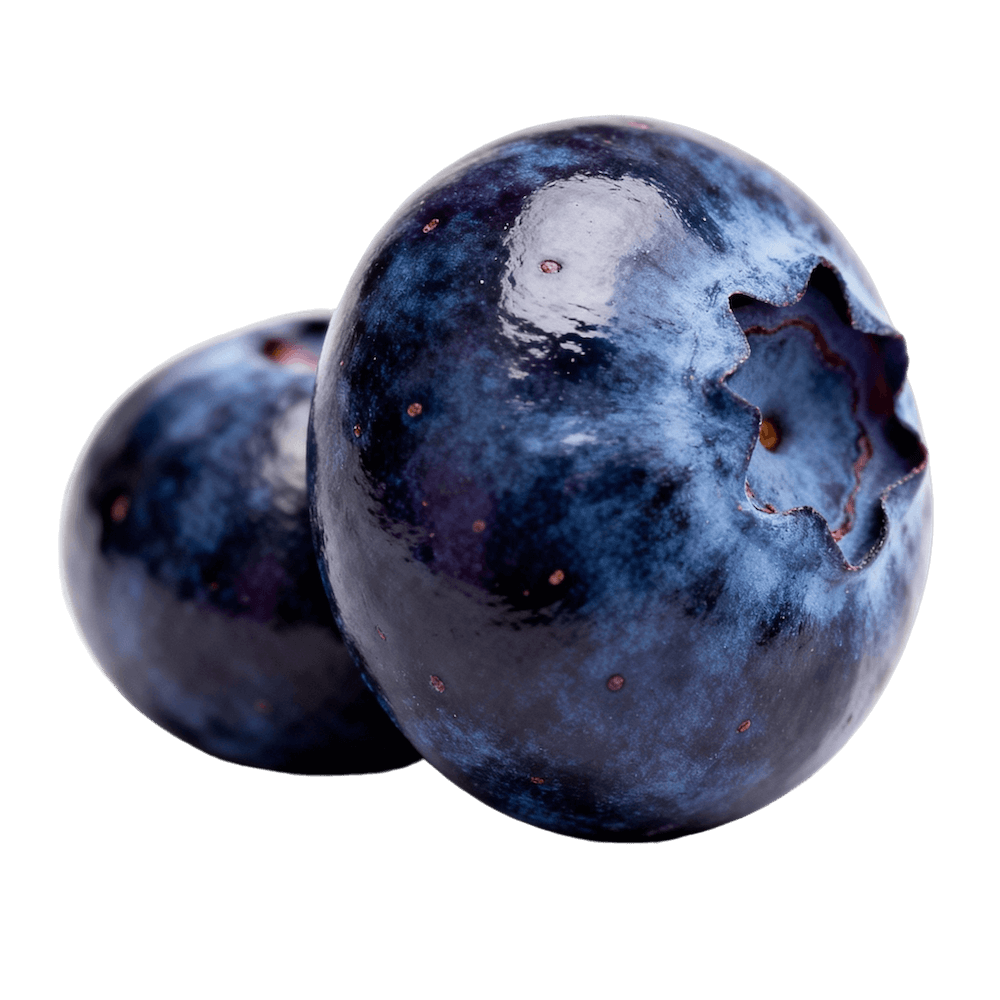
Bilberry is a small, dark blue-purple berry from Vaccinium myrtillus, a wild European species closely related to blueberry but chemically distinct because its colored pigments extend through the flesh rather than being concentrated mainly in the skin. This deep internal color reflects its high anthocyanin content, especially delphinidin, cyanidin, malvidin, petunidin, and peonidin glycosides. Bilberries are naturally tart, mildly sweet, and rich in water, fiber, organic acids, vitamin C, manganese, and a wide range of polyphenols. Their strong color, astringency, and staining quality come from concentrated plant pigments and tannin-like phenolic compounds.
Per 100 g, bilberry is a low-energy fruit with carbohydrate as its main macronutrient, along with modest fiber and very little fat. The sugars occur naturally in the fruit matrix with water, acids, pectin, and polyphenols. This combination gives bilberry a very different metabolic character than isolated fruit sugar because the intact berry structure slows digestion and provides plant compounds at the same time. The fruit also contributes small amounts of minerals such as potassium, calcium, magnesium, and iron, while its vitamin C supports normal collagen formation and antioxidant recycling.
Bilberry is best known nutritionally for anthocyanins. These pigments are part of the flavonoid family and are responsible for the intense blue, purple, and red colors found in many berries. In bilberry, anthocyanins are joined by chlorogenic acid, caffeic acid derivatives, quercetin glycosides, myricetin compounds, catechins, proanthocyanidins, and other phenolic acids. These compounds help explain why bilberry has been studied for redox balance, vascular function, carbohydrate enzyme interactions, and visual pigment biology. The whole fruit offers a complex mixture rather than a single isolated compound.
Bilberry also contains pectin and other berry fibers that support normal digestive movement and microbial fermentation in the colon. Its natural acids add brightness to flavor and help preserve the fresh, tart taste used in jams, sauces, juices, smoothies, porridges, and baked fruit dishes. Traditional foods in northern and central Europe often use bilberries because they grow in forests, heathlands, and cool temperate regions where wild berry harvesting is common.
As a whole fruit, bilberry is valuable for color-rich plant diversity, berry fiber, vitamin C, manganese, and concentrated anthocyanin chemistry. Its strongest nutrition identity is not bulk calories or protein, but dense polyphenol content, tart berry flavor, and a rare pigment profile that makes it one of the most deeply colored edible berries.
Region FoundBilberry Vaccinium myrtillus grows naturally across northern, central, and eastern Europe, including Scandinavia, the British Isles, the Baltic region, alpine and subalpine areas, forest understories, heathlands, and acidic soils in cool temperate climates. It is also found in parts of western Asia and is traditionally harvested as a wild berry in Finland, Sweden, Norway, Scotland, Ireland, Poland, the Baltic countries, and mountain regions of central Europe.