Importance
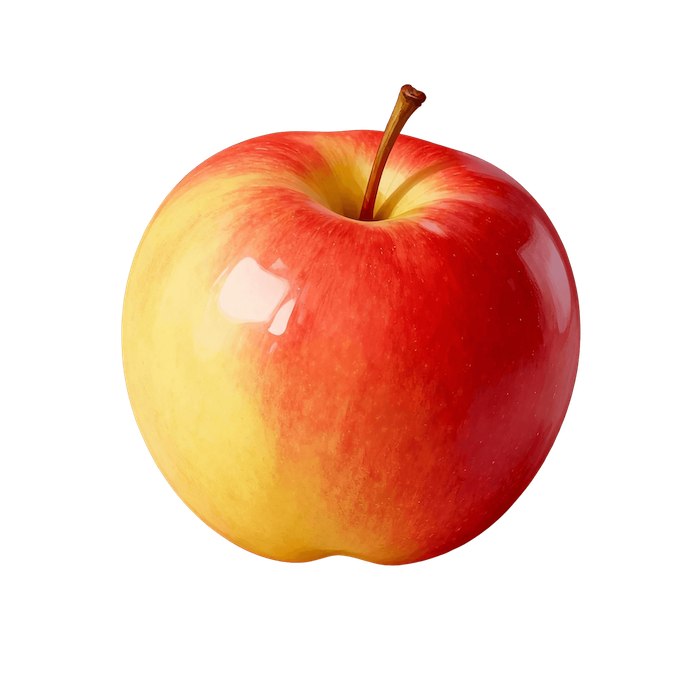
Crabapple is a small, tart fruit from wild and ornamental Malus species, closely related to cultivated apples but usually sharper, firmer, and more astringent. The fruit may be red, yellow, orange, green, or purple depending on cultivar and maturity. Per 100 g, raw crabapple is mostly water with natural carbohydrate, fiber, modest protein, very little fat, vitamin C, potassium, manganese, organic acids, and concentrated apple-family polyphenols. Its flavor is often more intense than dessert apple because the fruit contains higher acidity and tannin-like compounds.
Crabapple supports everyday nourishment through fiber, pectin, vitamin C, potassium, and phenolic compounds. Pectin and other fibers support digestive movement, stool bulk, and microbial fermentation in the colon. Vitamin C contributes to collagen formation, antioxidant recycling, and immune barrier function. Potassium supports fluid balance, muscle contraction, and nerve signaling. The fruit’s organic acids and polyphenols give it a bright, tart flavor and help define its wild apple character.
For cancer and ailment-support nutrition, crabapple is relevant because Malus fruits contain chlorogenic acid, catechins, epicatechin, procyanidins, quercetin glycosides, phloridzin, phloretin derivatives, anthocyanins in red-skinned types, vitamin C, and pectin. These compounds connect to Nrf2-related antioxidant response, NF-kB inflammatory signaling balance, phase II detoxification enzyme signaling, endothelial function, insulin-related carbohydrate handling, AMPK-linked metabolic regulation, apoptosis-related cell signaling, and gut fermentation pathways supported by soluble fiber. Crabapple does not act as a standalone disease solution, but its whole-fruit matrix contributes fiber, acids, minerals, and polyphenols tied to digestive, vascular, metabolic, and cellular repair pathways.
Crabapples are often too tart to eat in large amounts raw, but they are used in sauces, jellies, fruit butters, juices, fermented fruit preparations, chutneys, and cooked blends with sweeter apples, pears, berries, or plums. The peel is especially important because many Malus polyphenols concentrate near the skin. The seeds are not eaten.
Crabapple’s strongest nutritional identity is its combination of tart apple flavor, pectin-rich fiber, vitamin C, organic acids, and concentrated Malus polyphenols. It provides color and acidity, supports digestive function, contributes antioxidant-active compounds, and adds wild-fruit diversity to whole-food patterns focused on fiber, cellular defense, inflammatory signaling balance, and normal carbohydrate metabolism.