Importance
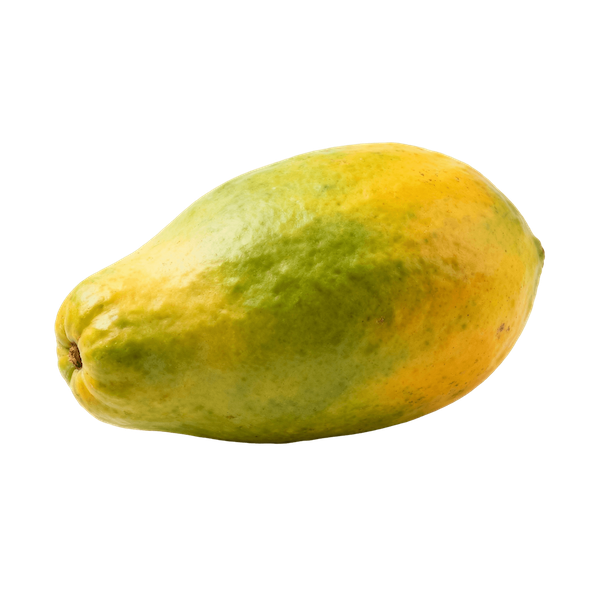
Papaw, also called North American pawpaw, is the fruit of Asimina triloba, a temperate member of the Annonaceae family native to eastern North America. The fruit has green skin, large brown seeds, and soft yellow custard-like pulp with a flavor often compared to banana, mango, pineapple, and vanilla. Per 100 g, pawpaw pulp provides about 80 calories, 18.8 g carbohydrate, 2.6 g fiber, 1.2 g protein, and about 1.2 g fat. It also provides vitamin C, magnesium, iron, manganese, potassium, copper, riboflavin, niacin, calcium, phosphorus, zinc, and several essential amino acids.
Papaw supports everyday nourishment through carbohydrate energy, fiber, vitamin C, minerals, and tropical-style fruit chemistry. Vitamin C contributes to collagen formation, antioxidant recycling, immune barrier function, and connective tissue maintenance. Fiber supports digestive movement, stool bulk, and microbial fermentation. Magnesium participates in ATP-related energy metabolism and muscle function. Iron supports oxygen transport and cellular energy metabolism, while manganese supports enzyme systems involved in connective tissue formation, carbohydrate metabolism, and antioxidant defense.
For cancer and ailment-support nutrition, papaw is relevant because Asimina triloba fruit tissues contain phenolic compounds, flavonoids, alkaloids, acetogenins, carotenoid-related pigments, vitamin C, fiber, and minerals. These compounds connect to Nrf2-related antioxidant response, NF-kB inflammatory signaling balance, AMPK-linked metabolic regulation, insulin-related carbohydrate handling, mitochondrial activity, phase II detoxification enzyme signaling, apoptosis-related cell signaling, and gut fermentation pathways supported by fiber. Papaw does not act as a standalone disease solution, but the whole fruit contributes antioxidant nutrients, digestive fiber, minerals, and plant compounds tied to cellular repair, inflammatory signaling balance, vascular support, digestive function, mitochondrial signaling, and normal metabolic regulation.
Papaw pulp is eaten fresh when fully ripe and is also used in smoothies, frozen fruit preparations, sauces, puddings, and baked fruit dishes. The seeds and skin are not eaten. Its strongest nutritional identity is the combination of custard-like fruit pulp, vitamin C, magnesium, iron, manganese, potassium, fiber, amino acids, and Annonaceae-family phytochemicals connected to antioxidant, digestive, metabolic, mitochondrial, inflammatory, and cellular defense pathways.