Importance
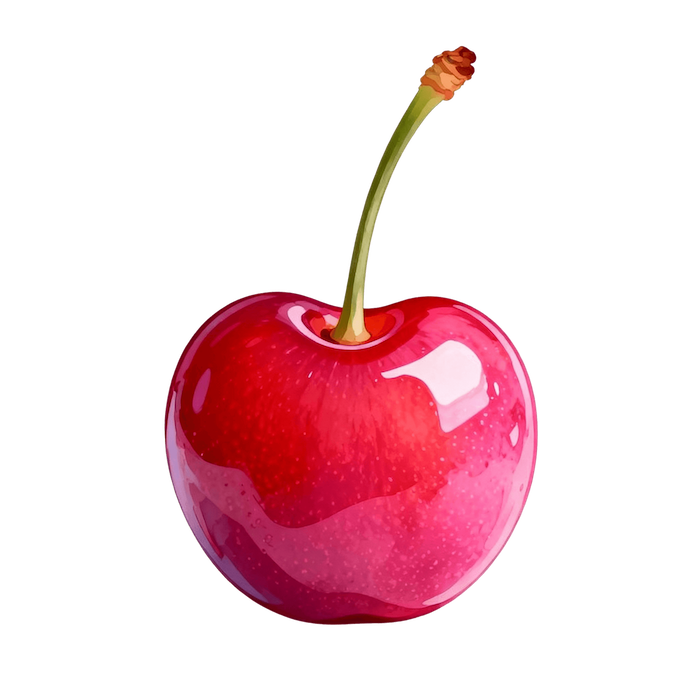
Sweet cherry is the fruit of Prunus avium, valued for its deep red to purple color, juicy texture, natural sweetness, fiber, potassium, vitamin C, and concentrated fruit polyphenols. Per 100 g, raw sweet cherries provide about 63 calories, 16 g carbohydrate, 2.1 g fiber, 1.06 g protein, very little fat, vitamin C, potassium, copper, and small amounts of magnesium and B vitamins. Their sugars occur within a whole fruit matrix that includes water, fiber, organic acids, minerals, and phytochemicals, giving cherries a different nutritional character than isolated sweeteners.
Sweet cherries are especially known for anthocyanins, flavonols, hydroxycinnamic acids, melatonin, carotenoids, and other phenolic compounds. Darker cherries generally contain higher anthocyanin levels, including cyanidin-based pigments that contribute to red-purple color. Cherries also contain chlorogenic acid, neochlorogenic acid, quercetin derivatives, catechins, procyanidins, p-coumaric acid, and small amounts of naturally occurring melatonin. These compounds contribute to the fruit’s antioxidant capacity, flavor complexity, and redox-active chemistry.
For cancer and ailment-support nutrition, sweet cherries are relevant because their fiber, vitamin C, anthocyanins, phenolic acids, and carotenoids connect to protective biological pathways. These include Nrf2-related antioxidant response, NF-kB inflammatory signaling balance, endothelial nitric oxide activity, insulin-related carbohydrate handling, AMPK-linked metabolic regulation, cell-cycle signaling, apoptosis-related pathways, and gut fermentation pathways supported by fiber. Sweet cherries do not act as a standalone disease solution, but their whole-fruit matrix contributes compounds studied for oxidative-stress balance, inflammatory gene expression, vascular function, cellular repair, and normal glucose regulation.
Sweet cherries are commonly eaten fresh, frozen, dried without added sugar, or cooked into fruit preparations. Their flavor pairs well with berries, citrus, apples, pears, oats, cinnamon, ginger, leafy greens, walnuts, almonds, and whole grains. Fresh cherries also provide hydration and mild acidity, while their skin and flesh supply color-rich plant compounds. The pits are not eaten.
Sweet cherry’s strongest nutritional identity is its combination of natural sweetness, fiber, potassium, vitamin C, anthocyanins, hydroxycinnamic acids, and Prunus-family polyphenols. It supports fruit diversity, digestive health patterns, vascular function, antioxidant nutrient intake, and pathways tied to inflammatory signaling balance, cellular redox control, and normal carbohydrate metabolism.