Importance
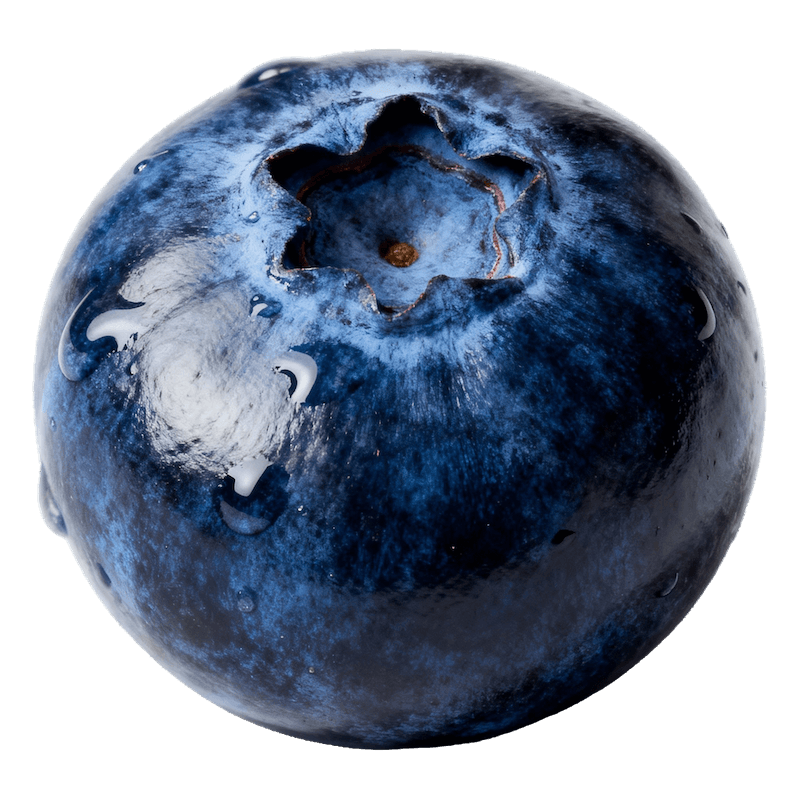
Blueberry is a small blue-purple berry from Vaccinium species, valued for its sweet-tart flavor, fiber, vitamin C, vitamin K, manganese, and dense polyphenol content. The blue skin color comes mainly from anthocyanins, while the pale interior contains water, natural sugars, organic acids, pectin, minerals, and smaller amounts of amino acids. Per 100 g, raw blueberries provide about 57 calories, mostly from carbohydrate, along with about 2.4 g fiber, 0.74 g protein, very little fat, vitamin C, vitamin K, manganese, and potassium. Their sugars occur inside a whole berry matrix with fiber and polyphenols, which gives the fruit a different digestive pattern than isolated sweeteners.
Blueberries are especially known for anthocyanins such as malvidin, delphinidin, petunidin, cyanidin, and peonidin glycosides. They also contain chlorogenic acid, caffeic acid derivatives, quercetin compounds, myricetin compounds, catechins, proanthocyanidins, pterostilbene, resveratrol-related stilbenes in small amounts, organic acids, and pectin. These compounds support redox balance, inflammatory signaling balance, endothelial nitric oxide activity, carbohydrate metabolism, and cellular defense pathways. Blueberry research has examined mechanisms involving NF-kB signaling, Nrf2 antioxidant response, MAPK signaling, PI3K-Akt signaling, AMPK activity, apoptosis regulation, and cell-cycle control.
In cancer and ailment-support nutrition, blueberry is relevant because its anthocyanins and phenolic acids help support antioxidant defense, normal DNA protection systems, vascular function, immune signaling balance, and healthy cellular communication. Laboratory research on blueberry phytochemicals has studied effects on oxidative stress, inflammatory gene expression, proliferation signaling, apoptosis markers, and angiogenesis-related pathways. These findings do not make blueberry a standalone treatment, but they show why deeply pigmented berries are important in a protective whole-food pattern.
Blueberries are easy to use because they pair well with oats, bananas, apples, citrus, leafy greens, flax, chia, walnuts, and other berries. Fresh blueberries offer a bright flavor and soft texture, while frozen blueberries preserve much of the color-rich fruit matrix and work well in smoothies, porridges, sauces, and cooked fruit dishes. Their balance of fiber, pigment, acidity, and mild sweetness makes them one of the most practical daily berries.
Blueberry’s strongest nutrition identity is its combination of anthocyanin pigments, vitamin C, vitamin K, manganese, berry fiber, and broad phenolic chemistry. It provides color-rich plant diversity, supports normal carbohydrate handling, contributes to digestive and vascular health patterns, and supplies phytochemicals connected to antioxidant, inflammatory, endothelial, and cellular repair pathways.