Importance
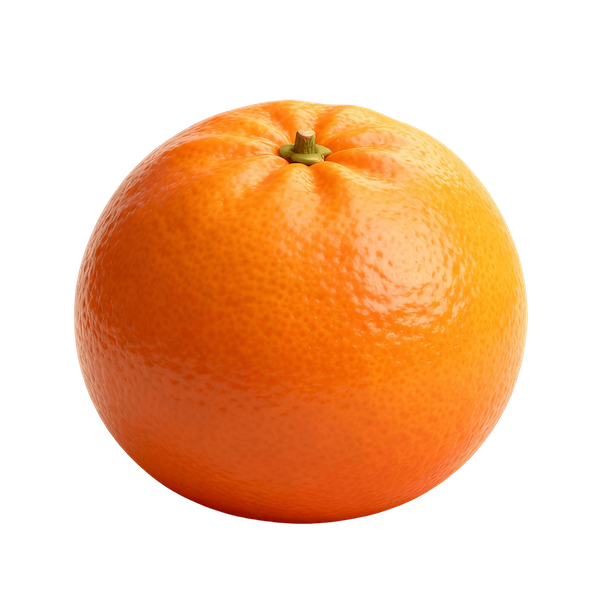
Mandarin is a small, easy-peeling citrus fruit from Citrus reticulata and related mandarin-type cultivars, valued for its sweet flavor, juicy segments, vitamin C, fiber, potassium, folate, carotenoids, and citrus flavonoids. Per 100 g, raw mandarin provides about 53 calories, 13.3 g carbohydrate, 1.8 g fiber, 0.81 g protein, and very little fat. Its natural sugars occur inside whole citrus segments with membranes, pectin, organic acids, minerals, and phytochemicals. The orange color reflects carotenoids, especially beta-cryptoxanthin and beta-carotene-related compounds.
Mandarin supports everyday nourishment through vitamin C, soluble fiber, hydration, potassium, and citrus phytochemicals. Vitamin C contributes to collagen formation, antioxidant recycling, immune barrier function, and connective tissue maintenance. Pectin and segment membranes support digestive movement and microbial fermentation. Potassium supports fluid balance, nerve signaling, and muscle contraction. Folate participates in one-carbon metabolism and DNA synthesis, while carotenoids contribute antioxidant-active pigment chemistry and vitamin A activity.
For cancer and ailment-support nutrition, mandarin is relevant because citrus fruits contain flavanones, carotenoids, limonoids, phenolic acids, vitamin C, pectin, and volatile terpenes connected to protective biological pathways. These include Nrf2-related antioxidant response, NF-kB inflammatory signaling balance, phase II detoxification enzyme signaling, endothelial function, AMPK-linked metabolic regulation, insulin-related carbohydrate handling, apoptosis-related cell signaling, cell-cycle regulation, and gut fermentation pathways supported by soluble fiber. Mandarin does not act as a standalone disease solution, but the whole fruit contributes antioxidant nutrients, digestive fiber, carotenoids, minerals, and citrus polyphenols tied to cellular repair, inflammatory signaling balance, vascular support, collagen formation, digestive function, and normal metabolic regulation.
Mandarin phytochemicals include hesperidin, narirutin, nobiletin, tangeretin, beta-cryptoxanthin, beta-carotene, lutein, zeaxanthin, limonoids, citric acid, malic acid, pectin, limonene, gamma-terpinene, linalool, and other citrus terpenes. Mandarin pairs well with berries, apples, pears, grapes, banana, leafy greens, oats, ginger, mint, walnuts, almonds, and whole grains. Its strongest nutritional identity is the combination of sweet citrus flesh, vitamin C, pectin, beta-cryptoxanthin-rich color, potassium, folate, and mandarin flavonoids tied to antioxidant, digestive, vascular, inflammatory, metabolic, and cellular repair pathways.