Importance
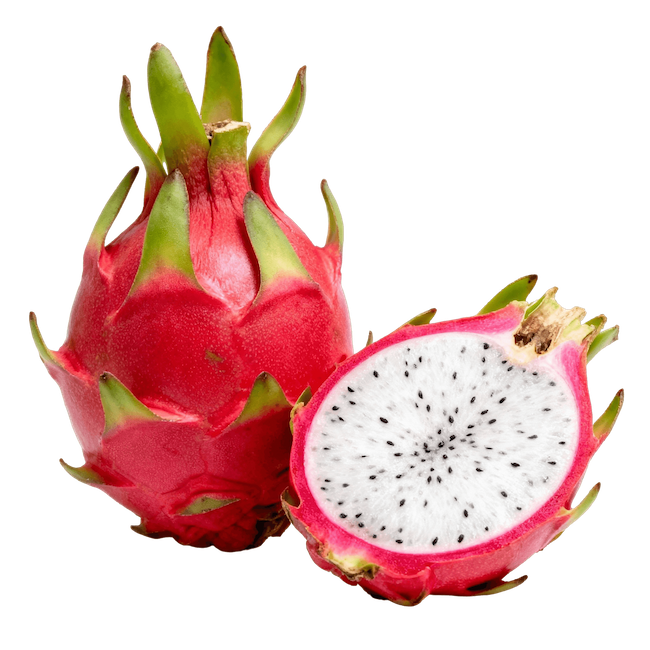
Red dragon fruit is the red-fleshed fruit of Hylocereus polyrhizus, also known as red pitaya. It is valued for its vivid magenta pulp, mild sweetness, hydration, fiber, vitamin C, magnesium, iron, potassium, and betalain pigments. Per 100 g, red dragon fruit is mostly water with natural carbohydrate, small amounts of protein, very little fat, fiber, minerals, and antioxidant-active plant compounds. Its tiny black seeds add texture and contribute small amounts of fiber and seed lipids.
Red dragon fruit is especially known for betacyanins, including betanin, phyllocactin, hylocerenin, and related red-violet betalain pigments. Unlike blueberries or blackberries, whose color comes mainly from anthocyanins, red dragon fruit belongs to a smaller group of foods where betalains are the dominant color compounds. These pigments contribute to the fruit’s strong color, antioxidant capacity, and redox-active chemistry. Red dragon fruit also contains phenolic acids, flavonoids, vitamin C, pectin, organic acids, and seed-associated fatty acids.
For cancer and ailment-support nutrition, red dragon fruit is relevant because its betalains, vitamin C, fiber, magnesium, and phenolic compounds connect to protective biological pathways. These include Nrf2-related antioxidant response, NF-kB inflammatory signaling balance, AMPK-related metabolic regulation, insulin-related carbohydrate handling, endothelial function, apoptosis-related cell signaling, and gut fermentation pathways supported by fiber. Red dragon fruit does not act as a standalone disease solution, but the whole fruit contributes hydration, pigments, minerals, fiber, and antioxidant-active compounds that support cellular resilience, digestive function, inflammatory balance, vascular function, and normal glucose metabolism.
Red dragon fruit is commonly eaten fresh, chilled, blended into smoothies, used in fruit bowls, or added to sauces and frozen preparations. Its mild flavor pairs well with lime, lemon, berries, banana, pineapple, mango, coconut, mint, cucumber, oats, and whole grains. The fruit’s strongest nutritional identity is its combination of red betalain pigments, water-rich pulp, fiber, magnesium, vitamin C, and tropical cactus-fruit chemistry. It supports fruit diversity, digestive health patterns, antioxidant nutrient intake, cellular repair pathways, inflammatory signaling balance, and carbohydrate metabolism in a colorful whole-food form.