Importance
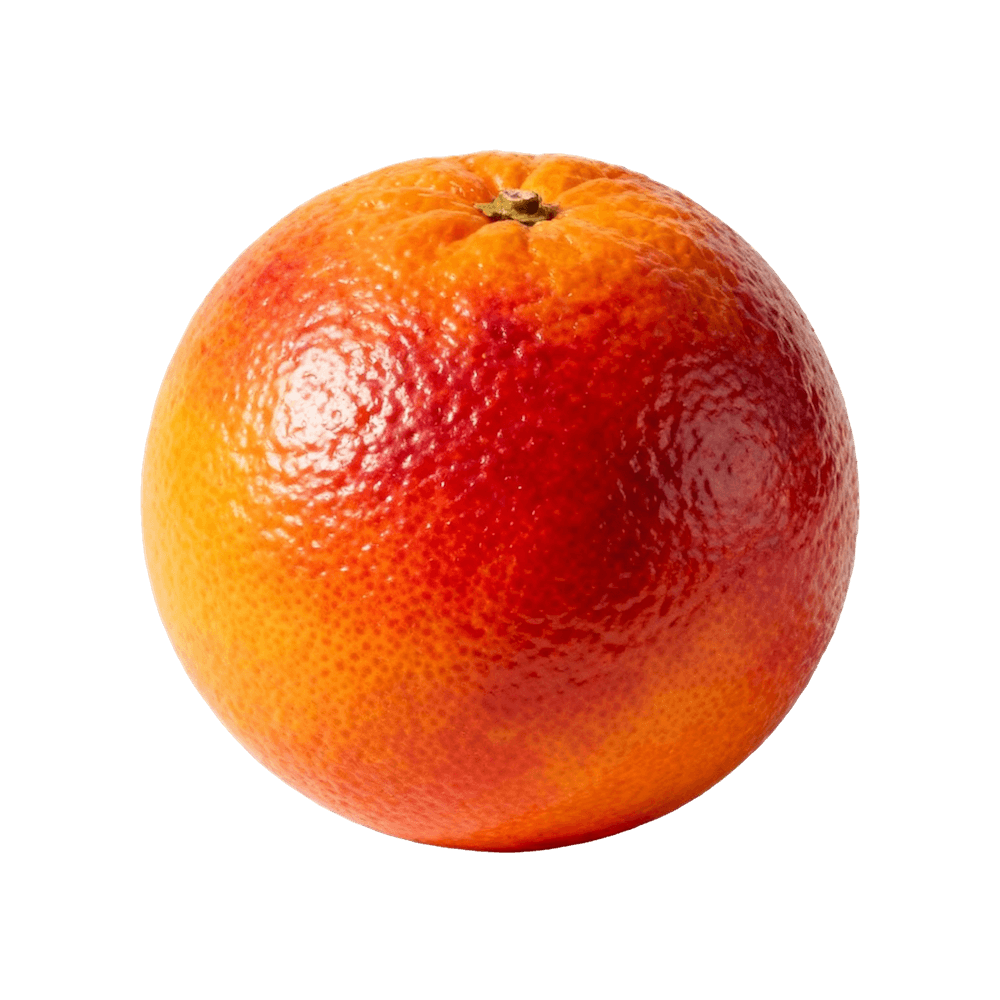
Blood orange is a red-fleshed citrus fruit from Citrus sinensis, valued for its sweet-tart flavor, vitamin C, potassium, fiber, folate, organic acids, and unusually rich pigment chemistry. Unlike common orange varieties, blood orange develops red to burgundy flesh because it accumulates anthocyanins, especially cyanidin-based pigments, when fruit matures under cool night temperatures. This gives the fruit a distinctive color profile that combines classic citrus flavanones with berry-like anthocyanins.
Per 100 g, blood orange is mostly water and natural carbohydrate, with low fat, modest protein, vitamin C, potassium, folate, thiamin, and small amounts of calcium and magnesium. Its carbohydrate occurs inside whole fruit segments with fiber, pectin, acids, and polyphenols, creating a very different nutritional structure than isolated sugar. Vitamin C supports collagen formation, antioxidant recycling, and normal immune barrier function. Potassium supports fluid balance and muscle function, while folate participates in one-carbon metabolism and normal DNA synthesis.
Blood orange phytochemicals include cyanidin-3-glucoside, cyanidin-3-rutinoside, hesperidin, narirutin, naringin-related flavanones, hydroxycinnamic acids, ferulic acid, caffeic acid, p-coumaric acid, carotenoids, limonoids, pectin, and volatile citrus terpenes such as limonene. These compounds connect blood orange to several protective biological pathways, including oxidative-stress regulation, inflammatory signaling balance, endothelial nitric oxide activity, phase II detoxification enzyme signaling, cell-cycle regulation, and apoptosis-related pathways studied in citrus and red-orange research. In cancer and ailment-support nutrition, blood orange is relevant because vitamin C, citrus flavanones, anthocyanins, and carotenoids help support antioxidant defense, normal collagen-rich tissue structure, immune signaling, vascular function, and cellular redox balance.
Blood orange is especially useful where deep color, citrus acidity, and polyphenol diversity are desired. It pairs well with berries, leafy greens, oats, apples, pears, carrots, fennel, herbs, and whole grains. The fruit’s red pigments make it visually distinct in salads, smoothies, citrus bowls, sauces, and fresh juice blends, while its acidity brightens foods without added oils or heavy ingredients.
Blood orange’s strongest nutritional identity is the combination of vitamin C-rich citrus flesh with anthocyanins that are uncommon in most oranges. It contributes hydration, tart sweetness, fiber, potassium, folate, and a broad phytochemical spectrum. The whole fruit supports everyday dietary diversity by combining citrus flavanones, red-purple pigments, organic acids, and natural fiber in one food.