Importance
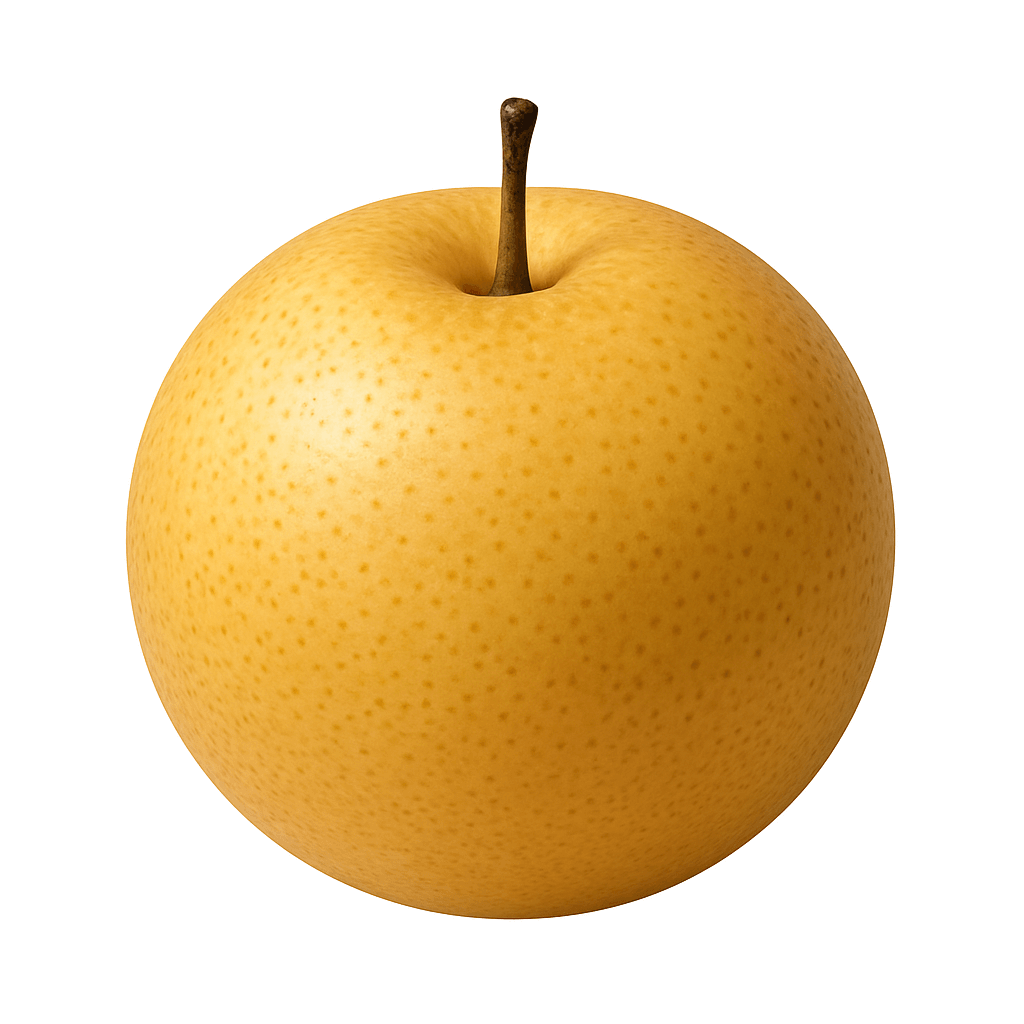
Asian pear is a crisp, high-water-content fruit belonging primarily to Pyrus pyrifolia and related pear cultivars traditionally cultivated throughout China, Korea, and Japan. Unlike European pears that soften significantly after ripening, Asian pears maintain a firm texture with a refreshing crunch and mild sweetness. The fruit is nutritionally valued for its hydration-supportive structure, fiber content, vitamin C contribution, potassium, and broad range of naturally occurring phenolic compounds. Whole Asian pear delivers these nutrients within a low-fat, relatively low-calorie fruit matrix that supports digestive and metabolic balance.
The majority of the fruit consists of water and fiber-rich plant tissue, contributing to hydration and satiety without excessive caloric density. Asian pear contains soluble fibers including pectin, along with insoluble structural fibers that support intestinal transit and microbial fermentation. Fiber-rich fruits such as Asian pear are frequently studied in relation to digestive regularity, gut microbial diversity, and glycemic moderation. Because the fruit retains a dense water structure and intact fiber matrix, glucose absorption occurs more gradually compared with refined fruit products or juices.
Asian pear also contributes multiple antioxidant phytochemicals including chlorogenic acid, catechin, caffeic acid, quercetin-related flavonoids, arbutin, and epicatechin compounds. These compounds participate in oxidative balance and cellular antioxidant defense pathways. The peel contains a substantial portion of the fruit’s phenolic content and contributes significantly to total antioxidant activity. Vitamin C further supports collagen synthesis, epithelial integrity, antioxidant recycling, and connective tissue maintenance.
Potassium is another important component of Asian pear, contributing to fluid regulation, vascular function, and neuromuscular balance. The fruit’s naturally low sodium concentration combined with potassium and water content supports hydration-oriented dietary patterns. Asian pear also contains modest amounts of copper, magnesium, folate, and several B vitamins that participate in energy metabolism and enzymatic activity.
From a pathway perspective, Asian pear is associated with antioxidant response systems, glutathione-related defense, epithelial maintenance, microbiome interaction, endothelial support, and inflammatory signaling regulation. Polyphenols and fiber may interact with gut microbial pathways that influence short-chain fatty acid production and intestinal barrier stability. The fruit’s hydrating structure and moderate sweetness also make it suitable for fresh consumption without concentrated sugar exposure.
Asian pear combines effectively with citrus, berries, oats, leafy greens, cruciferous vegetables, fermented foods, herbs, seeds, and legumes within whole-food dietary patterns. The fruit is most nutritionally valuable when consumed raw with the peel intact after proper washing. Nutritionally, Asian pear should be understood as a hydrating, fiber-rich, polyphenol-containing fruit that contributes digestive support, antioxidant diversity, and mineral balance within minimally processed plant-based meals.