Importance
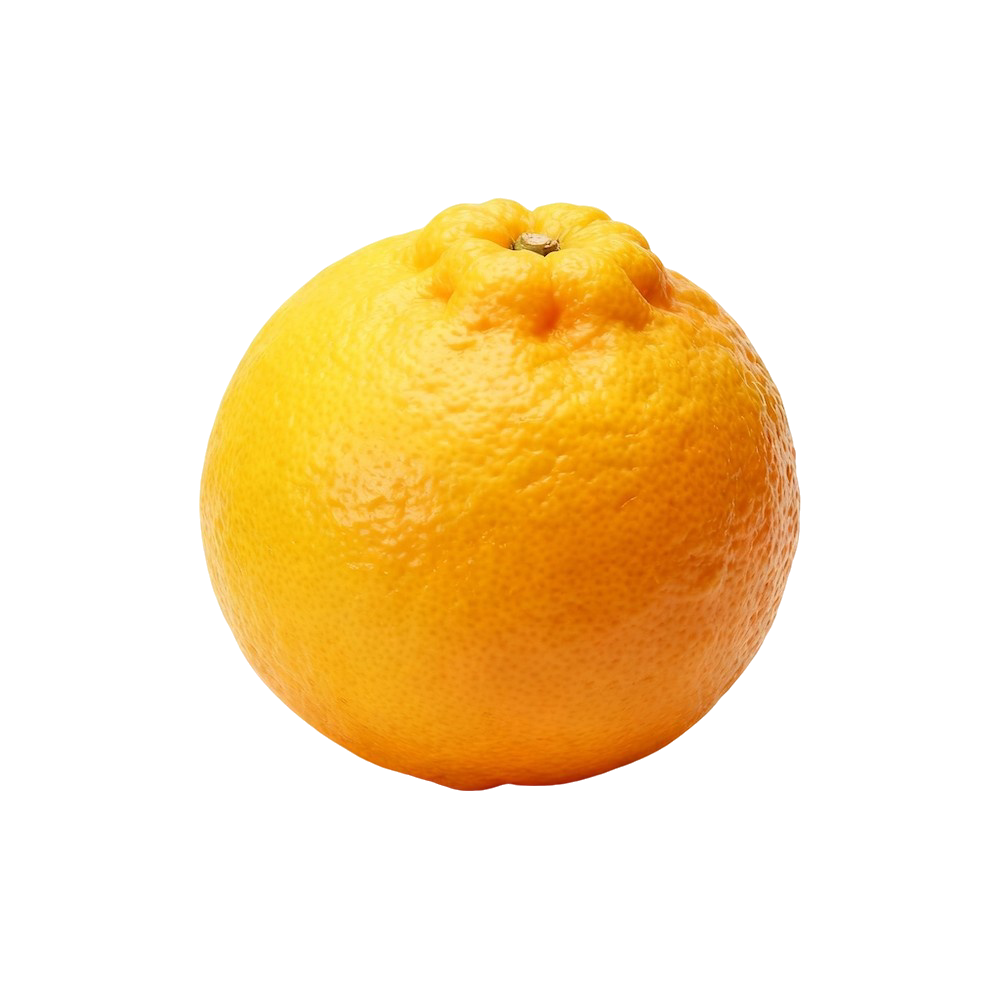
Bergamot is a bitter citrus fruit from Citrus bergamia, best known for its aromatic peel, acidic juice, and unusually concentrated citrus flavonoid profile. Unlike sweet orange or mandarin, bergamot is not commonly eaten as a fresh dessert fruit because the juice is strongly acidic and bitter. Its food value is mainly tied to juice, peel, zest, and extracts made from the edible fruit matrix. Per 100 g, bergamot fruit is mostly water, organic acids, carbohydrate, fiber, vitamin C, potassium, calcium, magnesium, and small amounts of protein. The fruit is nutritionally similar to other citrus fruits in its low fat content and modest energy density, but it is chemically distinctive because of its high levels of flavanone glycosides and hydroxymethylglutaryl flavonoids.
The major phytochemicals associated with bergamot include neoeriocitrin, naringin, neohesperidin, brutieridin, melitidin, poncirin, rhoifolin, diosmin, eriocitrin, hesperidin-related compounds, limonoids, phenolic acids, and volatile peel terpenes such as limonene, linalool, and linalyl acetate. These compounds differ between juice, cloudy juice, peel, albedo, and essential oil fractions. Bergamot juice and cloudy juice have been studied for flavonoid composition, antioxidant capacity, acidity, soluble solids, and cultivar differences. The bitter taste is largely connected to flavanone glycosides such as naringin and neohesperidin, while the aroma is strongly influenced by volatile compounds concentrated in the peel oil.
Bergamot carbohydrate digestion follows normal citrus fruit physiology. Its simple sugars and small starch fraction connect to intestinal carbohydrate enzymes, glucose absorption, and the normal insulin and glucagon response after carbohydrate intake. Its organic acids, vitamin C, and polyphenols place it within the citrus group of fruits that support antioxidant chemistry, collagen-related nutrient supply, and plant phenolic diversity. Bergamot is also notable because brutieridin and melitidin contain hydroxymethylglutaryl structures, making them chemically unusual among citrus flavonoids.