Importance
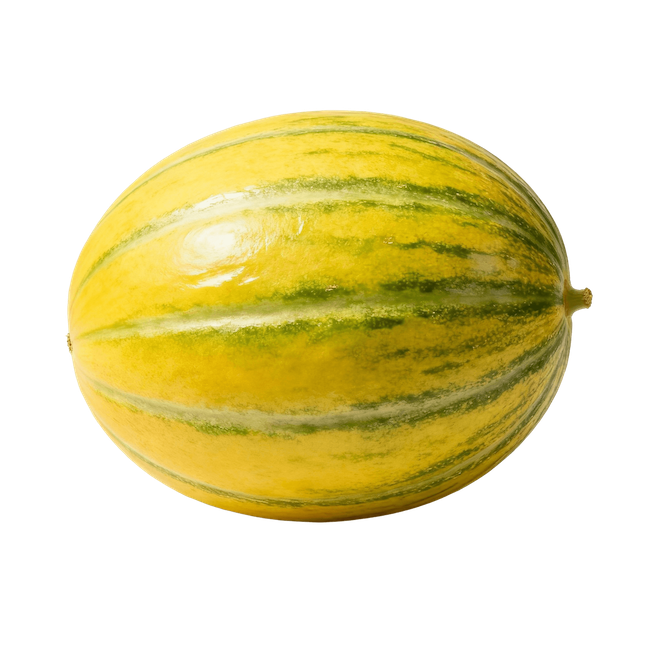
Galia melon is a sweet aromatic melon from Cucumis melo, developed from a cross between green-fleshed and netted melon types. It has a netted rind, pale green to yellow-green flesh, high water content, gentle sweetness, and a fragrant tropical-melon aroma. Per 100 g, Galia melon is mostly water with natural carbohydrate, small amounts of fiber, vitamin C, potassium, folate, magnesium, and trace carotenoid activity. Its sugars occur within a whole fruit matrix that includes water, minerals, organic acids, fiber, and plant compounds, making it a hydrating fruit rather than a concentrated energy food.
Galia melon supports everyday nourishment through hydration, potassium balance, vitamin C intake, and gentle carbohydrate energy. Vitamin C contributes to collagen formation, antioxidant recycling, immune barrier function, and connective tissue maintenance. Potassium supports fluid balance, nerve signaling, and muscle contraction. Folate participates in one-carbon metabolism and DNA synthesis, while melon fiber supports digestive movement and microbial fermentation. Its high water content makes it useful in meals where refreshment, light sweetness, and mineral support are desired.
For cancer and ailment-support nutrition, Galia melon is relevant because Cucumis melo fruits contain phenolic acids, flavonoids, carotenoids, vitamin C, fiber, and other bioactive compounds that connect to protective biological pathways. These include Nrf2-related antioxidant response, NF-kB inflammatory signaling balance, AMPK-linked metabolic regulation, insulin-related carbohydrate handling, endothelial function, phase II detoxification enzyme signaling, and gut fermentation pathways supported by fiber. Galia melon does not act as a standalone disease solution, but it contributes hydration, vitamin C, potassium, fiber, and melon phytochemicals that support cellular repair, redox balance, inflammatory signaling balance, vascular function, and normal metabolic regulation.
Galia melon pairs well with citrus, berries, apples, pears, grapes, cucumber, mint, leafy greens, oats, and whole grains. It is commonly eaten fresh in slices, fruit bowls, smoothies, chilled salads, and blended fruit preparations. Its strongest nutritional identity is the combination of water-rich flesh, mild sweetness, vitamin C, potassium, folate, and Cucumis melo phytochemicals. It supports fruit diversity, hydration, digestive comfort, antioxidant nutrient intake, and pathways tied to carbohydrate metabolism, endothelial function, inflammatory signaling, and cellular defense.