Importance
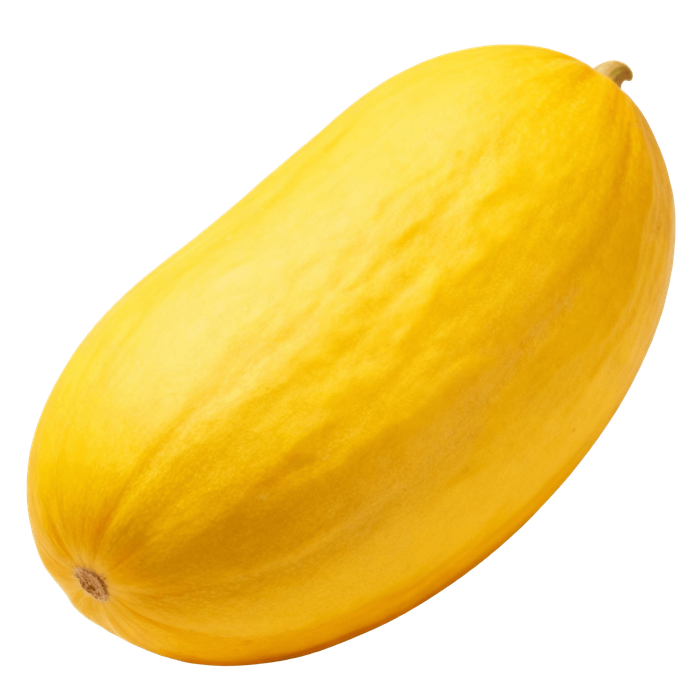
Canary melon is a bright yellow melon from Cucumis melo, valued for its sweet aroma, pale juicy flesh, hydration, vitamin C, vitamin A carotenoid activity, potassium, and mild digestive fiber. Its smooth yellow rind and light-colored interior make it different from orange-fleshed cantaloupe, but it belongs to the same melon species group. Per 100 g, canary melon is mostly water with natural carbohydrate, small amounts of protein, very little fat, fiber, vitamin C, vitamin A activity, potassium, magnesium, folate, and B vitamins. Its high water content makes it refreshing, while its natural sugars are carried within a whole fruit matrix that includes minerals, fiber, and plant compounds.
Canary melon supports everyday nourishment through hydration, potassium balance, vitamin C intake, and gentle carbohydrate energy. Vitamin C contributes to collagen formation, antioxidant recycling, and normal immune barrier function. Potassium supports fluid balance, nerve signaling, and muscle contraction. Carotenoid activity supports normal epithelial tissue and visual pigment biology, while melon fiber contributes to digestive movement and microbial fermentation.
For cancer and ailment-support nutrition, canary melon is relevant because Cucumis melo fruits contain phenolic acids, flavonoids, carotenoids, vitamin C, and other antioxidant compounds connected to cellular defense pathways. These compounds are studied in relation to oxidative-stress balance, inflammatory signaling, glucose handling, and endothelial function. Pathways involved include Nrf2-related antioxidant response, NF-kB inflammatory signaling balance, AMPK-related metabolic regulation, insulin-related carbohydrate handling, and gut fermentation pathways supported by fiber. Canary melon does not act as a standalone disease solution, but it contributes hydration, vitamin C, carotenoids, potassium, and fruit polyphenols that support a protective whole-food pattern.
The fruit is commonly eaten fresh in slices, fruit bowls, smoothies, chilled salads, and blended drinks. Its mild sweetness pairs well with citrus, berries, cucumber, mint, leafy greens, apples, pears, grapes, and whole grains. Because the flavor is delicate, canary melon works well in foods where hydration, light sweetness, and soft texture are desired without overpowering other ingredients.
Canary melon’s strongest nutritional identity is its combination of water-rich fruit flesh, vitamin C, potassium, carotenoid activity, mild fiber, and melon-specific phytochemicals. It is naturally low in fat and provides a clean, refreshing source of fruit carbohydrate. Its value comes from hydration, antioxidant nutrient support, digestive gentleness, and the broad Cucumis melo phytochemical family found in edible melon flesh.