Importance
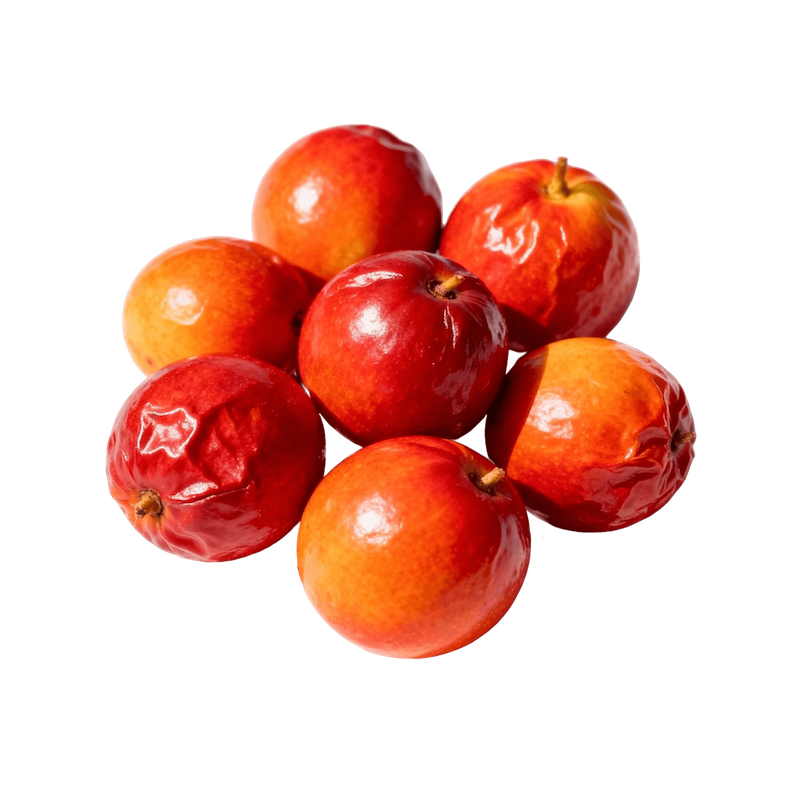
Camu camu is a small Amazonian berry from Myrciaria dubia recognized for one of the highest naturally occurring vitamin C concentrations found in fruit. The fruit grows in floodplain regions of the Amazon basin and develops a tart acidic flavor because of its dense ascorbic acid content combined with polyphenols, flavonoids, anthocyanins, carotenoids, and organic acids. Unlike sweeter tropical fruits, camu camu is usually consumed as frozen pulp, puree, powder, or blended preparations because the raw fruit is intensely sour. Nutritionally, its primary importance comes from antioxidant density, vitamin C concentration, flavonoid activity, and its relationship to oxidative stress defense pathways.
Vitamin C within camu camu supports collagen formation, antioxidant recycling, immune signaling, iron absorption, connective tissue stability, and cellular protection from reactive oxygen stress. The fruit also contains ellagic acid, quercetin, catechin, gallic acid, anthocyanins, and other phenolic compounds that contribute additional antioxidant interactions beyond ascorbic acid alone. These compounds are associated with endothelial support, inflammatory balance, mitochondrial protection, and gut microbial interactions. Because vitamin C participates in collagen synthesis, camu camu is particularly relevant to skin integrity, vascular tissue maintenance, gum health, and wound recovery pathways.
Camu camu has a relatively low caloric density and minimal fat while supplying fiber and phytonutrients. The fruit is most effective nutritionally when consumed without added sugars. Commercial sweetened beverages made from camu camu may lose many of the benefits associated with lower glycemic intake patterns. Its tart profile pairs naturally with berries, citrus, kiwi, chia seeds, flax seeds, and green smoothies where the acidity can balance sweeter fruits.
The strongest pathway relationships for camu camu involve Nrf2 antioxidant response, glutathione defense, inflammatory signaling modulation, endothelial resilience, epithelial barrier support, and collagen biosynthesis support. The fruit is also relevant to immune-response signaling because vitamin C participates in leukocyte activity and oxidative defense systems. Polyphenols present in camu camu may also contribute to vascular and neurological antioxidant protection through interactions with redox-sensitive signaling systems.
From a database perspective, camu camu should be treated as a highly concentrated antioxidant fruit rather than as a general calorie source. Its greatest nutritional significance comes from vitamin C density combined with polyphenols, flavonoids, anthocyanins, and naturally occurring antioxidant compounds that support connective tissues, vascular structures, immune balance, and oxidative stress resilience within a whole-food dietary pattern.