Importance
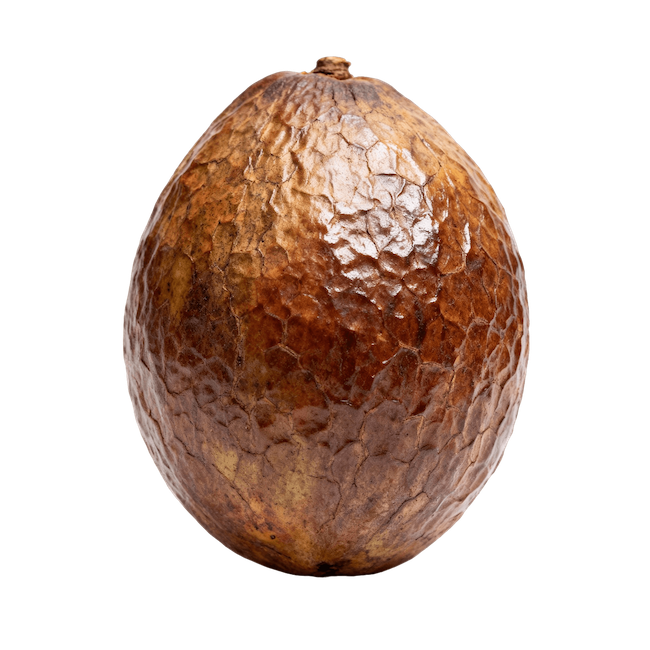
Cupuaçu is a large Amazonian fruit from Theobroma grandiflorum, a close botanical relative of cacao. The fruit has a thick brown shell, creamy white pulp, and a fragrant sweet-tart flavor often described as a blend of pineapple, pear, banana, citrus, and cacao-like aroma. The edible pulp is mostly water with natural carbohydrate, fiber, organic acids, vitamin C, B vitamins, potassium, calcium, magnesium, and small amounts of protein. The seeds contain a fat-rich fraction known as cupuaçu butter, but the fruit pulp is the main food portion used in juices, smoothies, frozen fruit bowls, sauces, creams, and regional Amazonian preparations.
Cupuaçu supports everyday nourishment through hydration, fiber, organic acids, vitamin C, minerals, and Theobroma-family polyphenols. Vitamin C contributes to collagen formation, antioxidant recycling, immune barrier function, and connective tissue maintenance. Fiber supports digestive movement and microbial fermentation. Potassium supports fluid balance, nerve signaling, and muscle contraction. The fruit’s natural acidity gives cupuaçu its bright tropical flavor and helps balance its creamy texture.
For cancer and ailment-support nutrition, cupuaçu is relevant because Theobroma grandiflorum contains flavonoids, proanthocyanidins, catechin-related compounds, epicatechin-related compounds, theograndins, phenolic acids, vitamin C, and antioxidant-active compounds. These compounds connect to Nrf2-related antioxidant response, NF-kB inflammatory signaling balance, AMPK-related metabolic regulation, insulin-related carbohydrate handling, phase II detoxification enzyme signaling, apoptosis-related cell signaling, and gut fermentation pathways supported by fiber. Cupuaçu does not act as a standalone disease solution, but the whole fruit contributes redox-active nutrients and plant compounds that support cellular resilience, inflammatory balance, digestive function, vascular support, and normal metabolic signaling.
Cupuaçu’s phytochemical identity is strongly tied to its Amazon origin and its relationship to cacao. Its pulp provides aromatic fruit acids and polyphenols, while the seeds provide lipid-rich compounds used in food and cosmetic applications. The fruit pairs well with banana, pineapple, mango, berries, citrus, oats, cacao, coconut, and whole-grain preparations. Cupuaçu’s strongest nutritional identity is the combination of tropical acidity, creamy pulp, fiber, vitamin C, polyphenols, and Theobroma-family chemistry. It adds Amazon fruit diversity, antioxidant plant compounds, digestive-supporting fiber, and pathways tied to redox balance, inflammatory signaling, cellular repair, and carbohydrate metabolism.