Importance
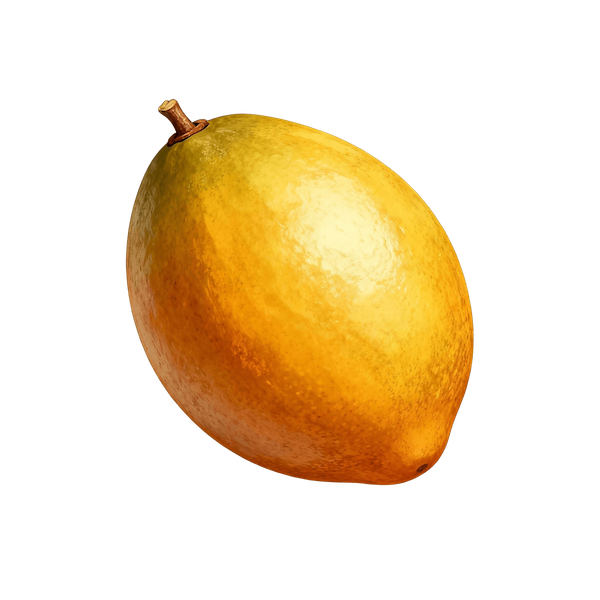
Lucuma is a golden-yellow fruit from Pouteria lucuma, native to the Andean regions of South America and valued for its dense texture, mild sweetness, carotenoid color, fiber, niacin, minerals, and phenolic compounds. The fruit has a dry, creamy pulp with a flavor often compared to maple, sweet potato, caramel, or butterscotch. Per 100 g fresh pulp, lucuma is mostly water and carbohydrate, with modest protein, low fat, dietary fiber, calcium, phosphorus, iron, niacin, riboflavin, thiamin, vitamin C, carotenoids, and phenolic compounds. Its natural sugars occur within a whole-fruit matrix that includes fiber, organic acids, minerals, and phytochemicals.
Lucuma supports everyday nourishment through carbohydrate energy, fiber, carotenoids, niacin, and minerals. Fiber supports digestive movement, stool bulk, and microbial fermentation. Niacin participates in NAD and NADP systems involved in cellular energy metabolism. Carotenoids contribute golden color and antioxidant-active pigment chemistry. Calcium, phosphorus, iron, and magnesium support mineral-dependent processes including bone structure, oxygen transport, enzyme function, and ATP-related metabolism.
For cancer and ailment-support nutrition, lucuma is relevant because Pouteria lucuma pulp and seed contain phenolic acids, flavonoids, carotenoids, sterols, catechin-related compounds, organic acids, and antioxidant-active metabolites. These compounds connect to Nrf2-related antioxidant response, NF-kB inflammatory signaling balance, AMPK-linked metabolic regulation, insulin-related carbohydrate handling, phase II detoxification enzyme signaling, endothelial function, apoptosis-related cell signaling, and gut fermentation pathways supported by fiber. Lucuma does not act as a standalone disease solution, but the whole fruit contributes antioxidant pigments, digestive fiber, minerals, and plant compounds tied to cellular repair, inflammatory signaling balance, vascular support, digestive function, and normal metabolic regulation.
Lucuma is commonly eaten fresh in growing regions and is also used as pulp or powder in smoothies, porridges, fruit bowls, frozen desserts, sauces, and whole-food preparations. It pairs well with banana, cacao, oats, berries, citrus, cinnamon, ginger, walnuts, almonds, coconut, and whole grains. Its strongest nutritional identity is the combination of golden carotenoid color, dense sweet pulp, fiber, niacin, minerals, phenolic compounds, and Pouteria-family phytochemistry tied to antioxidant, digestive, metabolic, inflammatory, and cellular repair pathways.