Importance
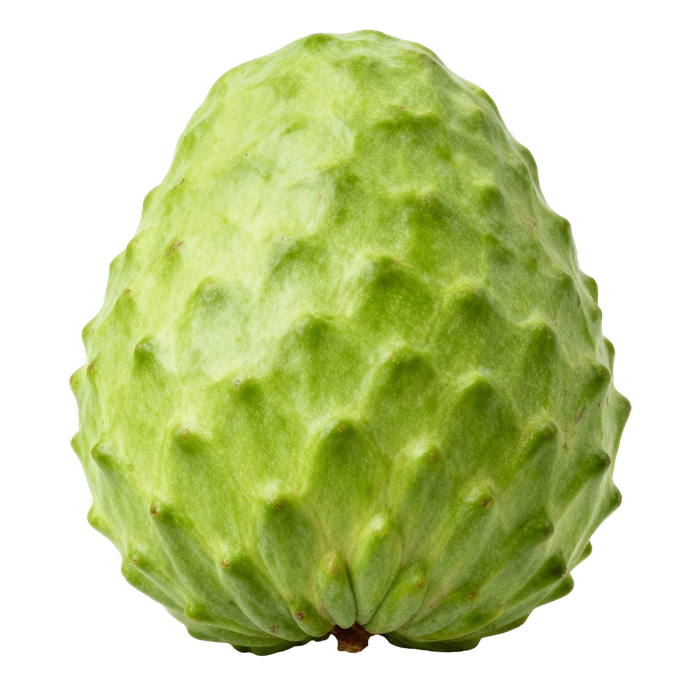
Cherimoya is a creamy tropical and subtropical fruit from Annona cherimola, valued for its custard-like texture, sweet aromatic flavor, fiber, vitamin C, potassium, magnesium, vitamin B6, and natural plant compounds. The flesh is soft, white, and fragrant, with a flavor often described as a mix of banana, pineapple, pear, and vanilla. Per 100 g, raw cherimoya provides about 75 calories, 17.7 g carbohydrate, 3.0 g fiber, 1.6 g protein, 0.7 g fat, vitamin C, potassium, magnesium, and several B vitamins. Its carbohydrate is held within a whole fruit matrix that includes fiber, water, organic acids, minerals, and phytochemicals.
Cherimoya supports everyday nourishment through digestive fiber, potassium balance, vitamin C activity, and B-vitamin participation in energy metabolism. Fiber supports normal bowel movement and microbial fermentation in the colon. Potassium supports fluid balance, nerve signaling, and muscle contraction. Vitamin C contributes to collagen formation, antioxidant recycling, and immune barrier function. Vitamin B6 supports amino acid metabolism, neurotransmitter synthesis, and glycogen metabolism.
For cancer and ailment-support nutrition, cherimoya is relevant because Annona fruits contain phenolics, flavonoids, alkaloids, terpenes, acetogenins, carotenoids, vitamin C, and fiber that connect to cellular defense and metabolic pathways. These compounds have been studied in relation to oxidative-stress balance, inflammatory signaling, mitochondrial activity, apoptosis regulation, cell-cycle signaling, and glucose handling. Pathways involved include Nrf2-related antioxidant response, NF-kB inflammatory signaling balance, AMPK-related energy regulation, insulin-related carbohydrate metabolism, mitochondrial complex activity, and fiber-supported gut fermentation pathways. Cherimoya does not function as a standalone disease solution, but the whole fruit contributes nutrients and plant compounds that support cellular resilience, digestion, immune barrier integrity, and normal metabolic function.
Cherimoya is commonly eaten fresh with the seeds removed. It works well in fruit bowls, smoothies, chilled desserts, sauces, and blended fruit preparations. Its creamy texture pairs naturally with citrus, berries, banana, pineapple, mango, mint, oats, and whole grains. Because the seeds are hard and not eaten, only the soft pulp is used as food.
Cherimoya’s strongest nutritional identity is its combination of creamy fruit texture, fiber, vitamin C, potassium, magnesium, B vitamins, and Annona-family phytochemicals. It provides gentle sweetness, useful minerals, and a broad plant-compound profile in a whole-fruit form. Its value is strongest in meals focused on digestive support, antioxidant nutrient intake, cellular repair pathways, and fruit diversity.