Importance
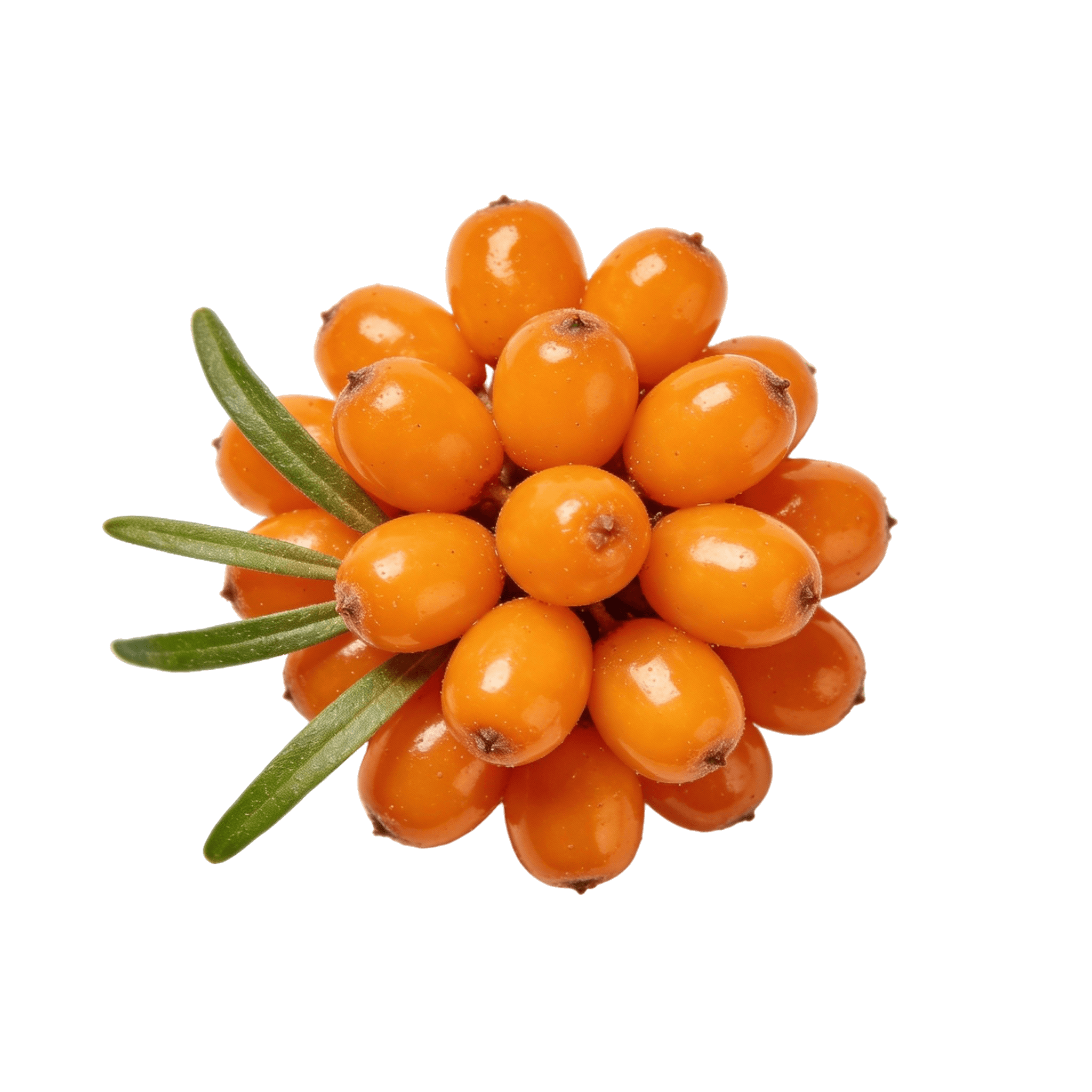
Sea buckthorn is the bright orange berry of Hippophae rhamnoides and related Hippophae species, valued for its intense tart flavor, vitamin C, carotenoids, vitamin E, flavonoids, organic acids, fiber, potassium, and unusual fruit oil profile. The berries are highly acidic and often used in juices, purees, sauces, preserves, powders, and blended fruit preparations rather than eaten alone in large amounts. Per 100 g, sea buckthorn berries are mostly water with carbohydrate, fiber, organic acids, small amounts of protein, and lipid-containing pulp and seed fractions. Unlike most fruits, sea buckthorn contains meaningful seed and pulp oils that include palmitoleic acid, oleic acid, linoleic acid, and alpha-linolenic acid.
Sea buckthorn supports everyday nourishment through vitamin C, carotenoids, vitamin E, fiber, potassium, and antioxidant-active plant compounds. Vitamin C contributes to collagen formation, antioxidant recycling, immune barrier function, and connective tissue maintenance. Carotenoids such as beta-carotene, lycopene, zeaxanthin, and beta-cryptoxanthin contribute orange color and antioxidant pigment chemistry. Vitamin E supports lipid antioxidant protection. Fiber supports digestive movement, stool bulk, and microbial fermentation. Potassium supports fluid balance, nerve signaling, and muscle contraction.
For cancer and ailment-support nutrition, sea buckthorn is relevant because Hippophae berries contain flavonols, isorhamnetin derivatives, quercetin derivatives, kaempferol derivatives, catechins, proanthocyanidins, phenolic acids, carotenoids, tocopherols, tocotrienols, phytosterols, organic acids, vitamin C, and fatty acids. These compounds connect to Nrf2-related antioxidant response, NF-kB inflammatory signaling balance, AMPK-linked metabolic regulation, PPAR-related lipid metabolism, insulin-related carbohydrate handling, endothelial function, phase II detoxification enzyme signaling, apoptosis-related cell signaling, and gut fermentation pathways supported by fiber. Sea buckthorn does not act as a standalone disease solution, but the whole berry contributes antioxidant nutrients, digestive fiber, pigments, lipid compounds, minerals, and polyphenols tied to cellular repair, inflammatory signaling balance, vascular support, digestive function, lipid metabolism, and normal metabolic regulation.
Sea buckthorn pairs well with apples, pears, citrus, mango, berries, ginger, mint, oats, walnuts, almonds, and whole grains. Its strongest nutritional identity is the combination of very high tartness, vitamin C, orange carotenoid pigments, vitamin E, flavonols, seed and pulp oils, organic acids, and Hippophae-family phytochemicals connected to antioxidant, digestive, vascular, metabolic, inflammatory, lipid, and cellular defense pathways.