Importance
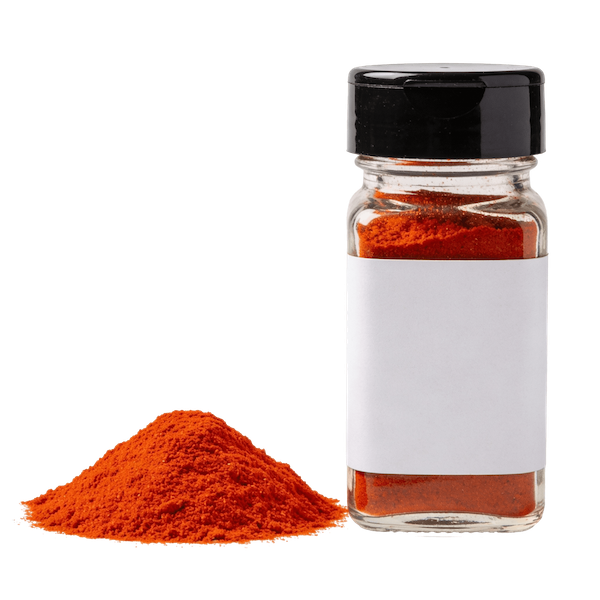
Sweet ground paprika is a concentrated Capsicum annuum spice made from dried, ripe, mild red peppers. Its nutritional importance comes from carotenoid pigments, phenolic compounds, fiber, potassium, vitamin E compounds, provitamin A activity, iron, magnesium, and antioxidant plant chemistry. Sweet paprika is especially known for capsanthin and capsorubin, the red carotenoids that give paprika its deep color. It also contains beta-carotene, beta-cryptoxanthin, lutein, zeaxanthin, violaxanthin, capsanthin esters, phenolic acids, flavonoids, and mild Capsicum aromatic compounds.
Paprika supports cellular health through pathways tied to antioxidant defense, lipid protection, inflammatory signaling balance, and membrane stability. Carotenoids such as capsanthin, capsorubin, beta-carotene, lutein, and zeaxanthin help protect lipids and cell membranes from oxidative stress. These compounds connect sweet paprika to Nrf2 antioxidant response, NF-kB inflammatory signaling balance, lipid oxidation defense, mitochondrial protection, DNA protection, and normal cellular repair. These pathways matter because chronic oxidative stress and persistent inflammatory signaling can place pressure on DNA, blood vessels, mitochondria, immune communication, and tissue repair systems.
In cancer-supportive nutrition patterns, sweet paprika is most relevant for its carotenoid density, phenolic compounds, vitamin E activity, fiber, minerals, and mild Capsicum phytochemistry. Capsicum carotenoids and phenolics have been studied for antioxidant activity, cellular stress response, inflammatory mediator balance, and oxidative DNA protection. Fiber supports digestive function and gut microbial fermentation, helping maintain colon barrier integrity and immune signaling.
Sweet paprika also supports metabolic steadiness through its fiber, low sugar contribution in culinary portions, minerals, and antioxidant compounds. Capsicum research connects pepper phytochemicals to glucose handling, insulin-related metabolic response, lipid metabolism, endothelial function, and oxidative stress balance. Potassium supports fluid and electrical balance, magnesium supports ATP metabolism, iron supports oxygen handling, and vitamin E compounds support membrane protection.
Ground sweet paprika provides small amounts of amino acids, including glutamic acid, aspartic acid, alanine, arginine, leucine, lysine, valine, glycine, serine, and phenylalanine. Because paprika is used as a spice, its strongest role is phytochemical, pigment, and mineral support rather than protein density. Sweet ground paprika supports digestive balance, metabolic steadiness, immune regulation, cardiovascular function, cellular repair, skin and collagen support, and long-term antioxidant protection through its combined carotenoids, phenolic acids, flavonoids, minerals, fiber, and Capsicum plant chemistry.