Importance
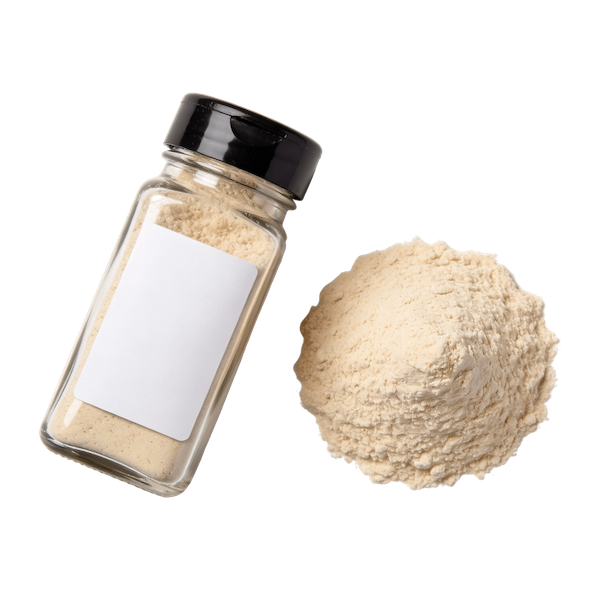
Garlic powder is a concentrated Allium spice made from dehydrated garlic, with a strong profile of organosulfur compounds, fiber, potassium, phosphorus, calcium, magnesium, iron, zinc, manganese, selenium, amino acids, flavonoids, phenolic acids, and antioxidant compounds. Its strongest nutritional identity comes from sulfur chemistry. Garlic contains alliin, which can be converted by alliinase into allicin when garlic tissue is crushed and hydrated. Allicin is unstable and can form additional sulfur compounds such as diallyl disulfide, diallyl trisulfide, ajoene, S-allyl cysteine, and other Allium-derived metabolites.
Garlic powder supports cellular health through pathways tied to oxidative stress control, inflammatory signaling balance, glutathione-related redox activity, nitric oxide biology, lipid metabolism, and immune communication. These pathways matter because chronic oxidative stress and persistent inflammatory signaling can place pressure on DNA, mitochondria, blood vessels, cell membranes, and repair systems. Garlic sulfur compounds are studied for effects on Nrf2 antioxidant response, NF-kB inflammatory signaling, apoptosis signaling balance, phase II detoxification enzyme response, mitochondrial stress, and DNA protection.
In cancer-supportive nutrition patterns, garlic powder is most relevant for its Allium sulfur compounds, selenium, fiber, flavonoids, phenolic acids, and antioxidant activity. Diallyl sulfides, ajoene, S-allyl cysteine, and allicin-related chemistry have been studied in connection with cell-cycle regulation, apoptosis signaling, oxidative stress balance, inflammatory mediators, and detoxification enzyme pathways. These compounds help support a cellular environment with stronger redox control, healthier inflammatory communication, and normal repair signaling.
Garlic powder also supports metabolic and cardiovascular pathways. Research connects garlic intake and garlic compounds with glucose handling, insulin-related metabolic response, lipid balance, endothelial function, and nitric oxide signaling. Arginine contributes to nitric oxide biology through nitric oxide synthase, while sulfur compounds may support vascular signaling and antioxidant protection. Magnesium supports ATP metabolism, selenium supports selenoprotein activity, and manganese and zinc support antioxidant and immune-related enzyme systems.
Garlic powder is used in small amounts, but dehydration concentrates its fiber, minerals, amino acids, and phytochemicals per 100 grams. Its strongest role is as a concentrated whole-food spice that supports immune regulation, digestive balance, metabolic steadiness, cardiovascular function, cellular repair, antioxidant defense, and long-term protection pathways through its combined sulfur compounds, minerals, fiber, amino acids, and polyphenol chemistry.