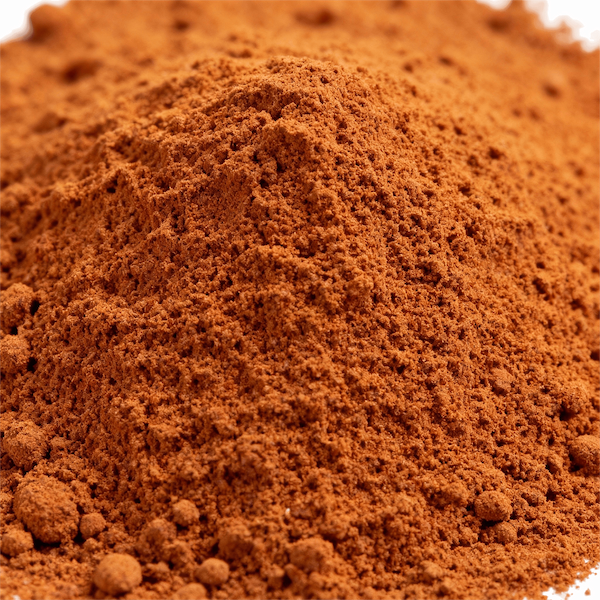
Cinnamon (Cassia, Ground)

Cinnamon (Cassia, Ground)

FamilyLauraceae
Importance
Ground cassia cinnamon is a concentrated bark spice from Cinnamomum cassia with a strong phytochemical profile built around cinnamaldehyde, procyanidins, catechin-related polyphenols, coumarin, cinnamic acid, essential oils, fiber, calcium, manganese, iron, potassium, and antioxidant compounds. Its strongest nutritional identity is not calories or protein, but aromatic bark chemistry. Cinnamaldehyde gives cassia cinnamon its warm aroma, while procyanidins and other polyphenols support antioxidant and metabolic pathways.

Cassia cinnamon supports metabolic steadiness through polyphenols that interact with carbohydrate digestion and glucose-handling pathways. Cinnamon extracts have been studied for alpha-glucosidase and alpha-amylase inhibition, linking cinnamon to slower starch breakdown, post-meal glucose handling, and insulin-related metabolic signaling. These pathways matter because repeated sharp glucose movement can increase oxidative stress, mitochondrial workload, endothelial strain, and inflammatory signaling.

The antioxidant value of cassia cinnamon comes from cinnamaldehyde, cinnamic acid, procyanidins, catechins, flavonoids, phenolic acids, and tannins. These compounds connect cassia cinnamon to Nrf2 antioxidant response, NF-kB inflammatory signaling balance, lipid oxidation defense, mitochondrial protection, DNA protection, and normal repair signaling. In cancer-supportive nutrition patterns, cassia cinnamon is most relevant for its polyphenols, cinnamaldehyde, antioxidant activity, inflammatory-signaling effects, and carbohydrate-metabolism support. These compounds help support cellular resilience by reducing oxidative pressure on lipids, proteins, membranes, and DNA while supporting balanced immune communication.

Ground cassia cinnamon also provides small amounts of amino acids, including glutamic acid, aspartic acid, alanine, leucine, valine, arginine, glycine, serine, and phenylalanine. Because cinnamon is used in small culinary amounts, its strongest role is phytochemical and fiber support rather than protein density. Manganese supports antioxidant enzyme systems, iron supports oxygen handling, calcium supports cell signaling and structure, and potassium supports fluid balance.

Ground cassia cinnamon is best understood as a concentrated whole-food spice that supports digestive balance, metabolic steadiness, antioxidant defense, inflammatory signaling balance, cardiovascular function, immune communication, and cellular repair through its combined cinnamaldehyde, procyanidins, phenolic acids, minerals, and fiber.

Region FoundNative to southern China and widely cultivated in China, Vietnam, Indonesia, Laos, Myanmar, and other tropical and subtropical regions of Southeast Asia
Helps Fight These Cancers: Colorectal Cancer, Breast Cancer, Liver Cancer
Helps Fight These Ailments: Insulin Resistance, Type 2 Diabetes, Metabolic Syndrome, High LDL, Chronic Inflammation
Linked Hormones:
SUMMARY OF EFFECTS ON THE BODY
Immune System
Polyphenols dampen NF-κB inflammatory signaling
Cardiovascular
Procyanidins support endothelial function and lipids
Digestive System
Phenolics and fiber aid microbial balance
Skin & Collagen
Antioxidants reduce glycation-driven collagen damage
Cellular Repair
Cinnamaldehyde supports mitochondrial oxidative defenses

All values per 100g
Nutrition Facts
Calories (kcal)247
Protein (g)3.99
Carbohydrates (g)80.59
Fiber (g)53.1
Sugars (g)2.17
Total Fat (g)1.24
Saturated Fat (g)0.345
Vitamins
Vitamin A (µg RAE)0
Vitamin C (mg)3.8
Vitamin D (µg)0
Vitamin E (mg)2.32
Vitamin K (µg)31.2
Vitamin B1 / Thiamin (mg)0.022
Vitamin B2 / Riboflavin (mg)0.041
Vitamin B3 / Niacin (mg)1.332
Vitamin B5 / Pantothenic Acid (mg)0.358
Vitamin B6 (mg)0.158
Vitamin B7 / Biotin (µg)0
Folate B9 (µg)6
Vitamin B12 (µg)0
Vitamin Detail Pages
Minerals
Calcium (mg)1002
Iron (mg)8.32
Magnesium (mg)60
Phosphorus (mg)64
Potassium (mg)431
Sodium (mg)10
Zinc (mg)1.83
Copper (mg)0.339
Manganese (mg)17.5
Selenium (µg)2.3
Iodine (µg)0
Mineral Detail Pages
Amino Acids
Alanine (mg)310 mg
Arginine (mg)320 mg
Asparagine (mg)0 mg
Aspartic Acid (mg)610 mg
Cysteine (mg)70 mg
Glutamic Acid (mg)850 mg
Glutamine (mg)0 mg
Glycine (mg)300 mg
Histidine (mg)120 mg
Isoleucine (mg)230 mg
Leucine (mg)420 mg
Lysine (mg)300 mg
Methionine (mg)80 mg
Phenylalanine (mg)290 mg
Proline (mg)280 mg
Serine (mg)300 mg
Threonine (mg)220 mg
Tryptophan (mg)0 mg
Tyrosine (mg)190 mg
Valine (mg)350 mg
Amino Acid Detail Pages
Phytochemicals
Cinnamaldehyde, cinnamic acid, coumarin, procyanidins, catechin, epicatechin, cinnamyl acetate, eugenol, linalool, benzaldehyde, vanillin, gallic acid, caffeic acid, ferulic acid, chlorogenic acid, flavonoids, phenolic acids, tannins, essential oils
Research & Notes
Research Notes:
USDA SR-Legacy nutrient profile for “Spices, cinnamon, cassia, ground.” No amino acid panel published → AA fields = NULL. GI/GL not applicable for condiment quantities. Note: cassia contains more coumarin than Ceylon; moderate long-term dosing.
Notes:
Prefer Ceylon for daily/heavy use; cassia acceptable in typical culinary amounts.
Created: 2025-11-08 16:44:16
Last Updated: 2026-06-04 08:14:51