Importance
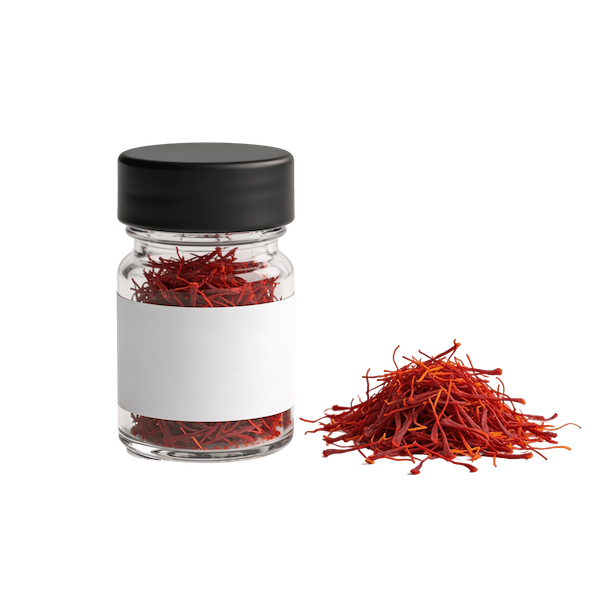
Ground saffron is a concentrated spice made from the dried stigmas of Crocus sativus, with a phytochemical profile built around crocin, crocetin, safranal, picrocrocin, kaempferol derivatives, carotenoids, phenolic compounds, minerals, and antioxidant activity. Its nutritional importance comes from rare pigment and aroma chemistry rather than calories or protein. Crocin gives saffron its golden color, picrocrocin contributes bitterness, and safranal provides much of the aroma formed during drying.
Saffron supports cellular health through pathways tied to oxidative stress control, inflammatory signaling balance, mitochondrial protection, and DNA defense. Crocin and crocetin are carotenoid-derived compounds studied for antioxidant activity, lipid protection, and cellular stress response. These compounds connect saffron to Nrf2 antioxidant response, NF-kB inflammatory signaling balance, lipid oxidation defense, mitochondrial resilience, DNA protection, and normal repair signaling.
In cancer-supportive nutrition patterns, saffron is most relevant for crocin, crocetin, safranal, picrocrocin, flavonoids, antioxidant activity, and inflammatory-signaling effects. Saffron and crocin have been studied for antiproliferative effects in human cancer cell lines, including colorectal, breast, lung, and prostate cancer models. These pathways involve oxidative stress, apoptosis signaling balance, cell-cycle regulation, inflammatory mediators, angiogenesis-related signaling, and cellular stress response.
Ground saffron also supports metabolic steadiness through antioxidant and glucose-related pathways. Human studies and reviews have examined saffron supplementation in relation to fasting glucose, glycated hemoglobin, blood lipids, and insulin-related cardiometabolic markers. Because saffron is consumed in very small culinary amounts, its strongest role is concentrated phytochemical support rather than macronutrient intake.
Saffron provides small amounts of amino acids, including glutamic acid, aspartic acid, alanine, arginine, leucine, valine, glycine, serine, phenylalanine, and lysine. Manganese supports antioxidant enzyme systems, potassium supports fluid and electrical balance, magnesium supports ATP metabolism, and iron supports oxygen handling. Ground saffron is best understood as a highly concentrated whole-food spice that supports antioxidant defense, metabolic steadiness, immune communication, cardiovascular balance, cellular repair, and long-term protection pathways through its combined crocin, crocetin, safranal, picrocrocin, flavonoids, carotenoids, minerals, and phenolic chemistry.