Importance
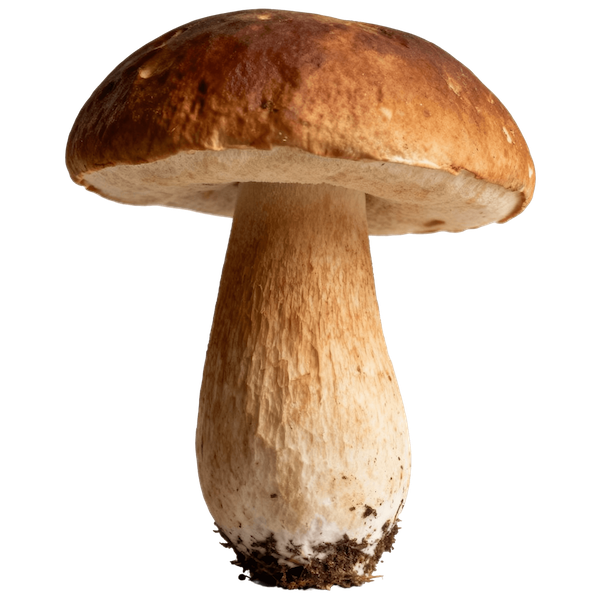
Raw porcini mushrooms are wild edible mushrooms with a strong nutritional identity built around water-rich fungal tissue, modest plant protein, fiber, potassium, phosphorus, copper, selenium, iron, B vitamins, chitin, beta-glucans, ergothioneine, ergosterol, phenolic compounds, and Boletus mushroom polysaccharides. Per 100 g raw, they are naturally low in calories, low in fat, low in available carbohydrate, and rich in deep savory compounds that support satiety, digestive balance, cellular protection, vascular function, and long-term metabolic resilience. Their dense aroma and meaty texture make them one of the most valued culinary mushrooms.
Porcini mushrooms support cancer-focused nutrition through immune-supportive polysaccharides, antioxidant defense, mineral-supported enzyme systems, and gut-barrier pathways. Mushroom beta-glucans and other polysaccharides interact with immune-recognition pathways and are studied for effects on macrophage, dendritic cell, natural killer cell, and cytokine signaling. Chitin and other fungal fibers support bowel movement quality, microbial fermentation, and intestinal barrier function. Ergothioneine, phenolic compounds, ergosterol, and mushroom polysaccharides help reduce oxidative pressure that can affect DNA, proteins, and cell membranes. Copper supports redox enzymes and connective-tissue metabolism, selenium supports selenoprotein antioxidant systems, iron supports oxygen transport, potassium supports fluid balance, and phosphorus supports energy-transfer chemistry.
For ailments, raw porcini mushrooms are especially relevant where low plant diversity, poor fiber intake, weak satiety, oxidative stress, low mineral variety, or sluggish digestion are part of the pattern. Their glycemic impact is very low because they contain little available carbohydrate and minimal starch. Strong biologically relevant enzyme links are superoxide dismutase and glutathione peroxidase because mushroom minerals and antioxidant compounds connect to redox defense. Cyclooxygenase is also relevant because porcini phenolics, sterols, and polysaccharides are studied in inflammatory-signaling contexts.
The strongest pathways for porcini mushrooms include beta-glucan immune signaling, fungal polysaccharide immune response, antioxidant response, glutathione-related redox defense, superoxide radical control, fungal fiber fermentation, gut barrier support, mineral-supported enzyme activity, inflammatory-signaling balance, and cellular protection from oxidative stress. Raw porcini mushrooms are best used as a low-calorie mushroom ingredient that adds aroma, umami, fiber, potassium, copper, selenium, iron, ergothioneine, beta-glucans, ergosterol, and phenolic compounds to meals. Their value comes from combining mushroom polysaccharides with antioxidant chemistry and mineral support, making them useful for digestive balance, immune support, vascular health, cellular protection, and long-term resilience.