Importance
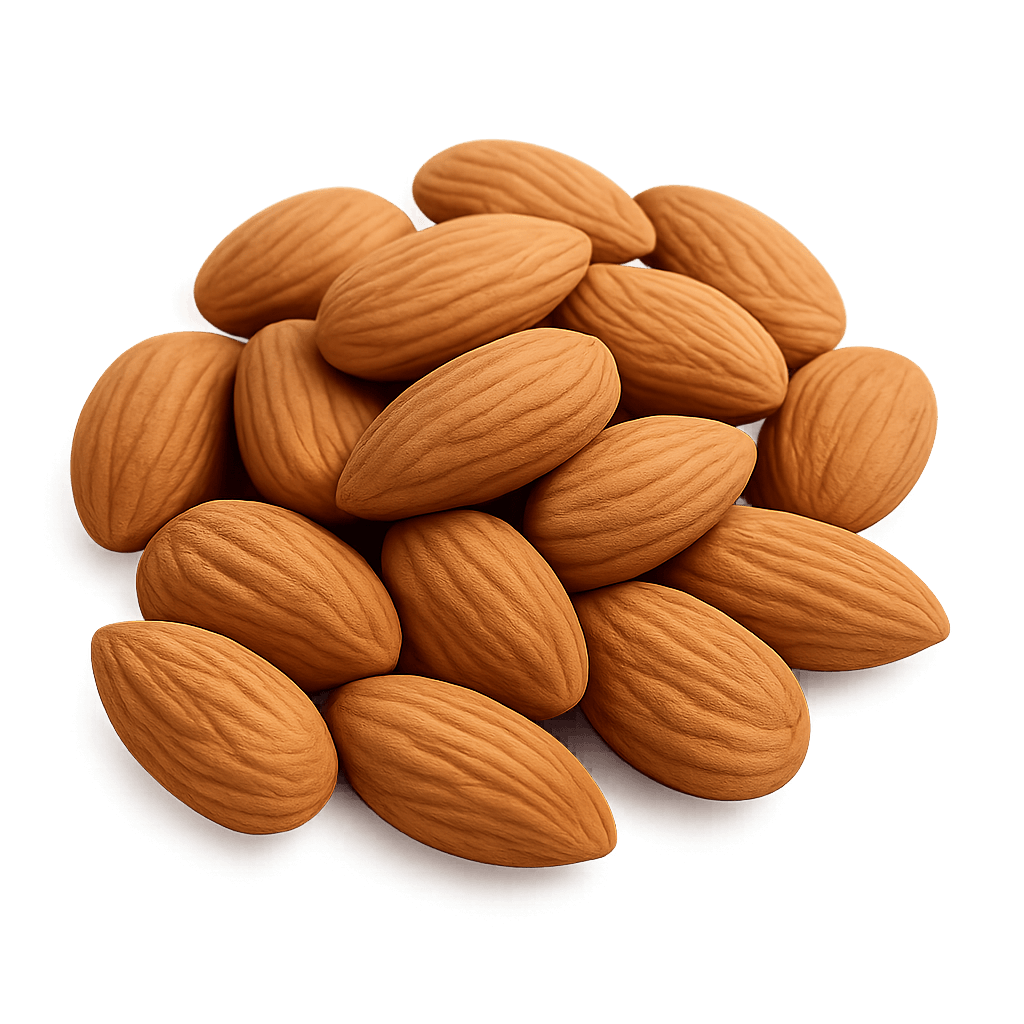
Raw almonds are a nutrient-dense tree nut with a strong profile of vitamin E activity, magnesium, manganese, copper, plant protein, arginine, fiber, monounsaturated fat, and almond-skin polyphenols. Their importance begins with cellular protection: alpha-tocopherol helps protect cell membranes from lipid oxidation, while phenolic compounds in the brown skin add antioxidant activity that supports healthier inflammatory balance. This matters for long-term cellular resilience because oxidative stress, chronic inflammation, impaired insulin signaling, and abnormal lipid metabolism are common biological patterns involved in many chronic ailments and several cancer-related environments.
Almonds also support metabolic pathways tied to glucose control and energy balance. Their low available carbohydrate load, fiber, protein, fat structure, and polyphenols slow digestion and help reduce sharp post-meal glucose and insulin swings. This links almonds to insulin signaling, AMPK-related energy regulation, and carbohydrate-digestive enzyme activity involving alpha-amylase and alpha-glucosidase. A steadier post-meal response can reduce oxidative stress caused by high glucose exposure and may support healthier endothelial function, mitochondrial workload, and inflammatory signaling.
The amino acid profile of almonds is especially rich in arginine and glutamic acid. Arginine supports nitric oxide biology through nitric oxide synthase activity, which is important for vascular relaxation, circulation, and endothelial function. Magnesium supports ATP-dependent enzymes, muscle and nerve signaling, and glucose-handling pathways. Copper and manganese support antioxidant enzyme systems, including copper-zinc superoxide dismutase and manganese superoxide dismutase, which help manage reactive oxygen species inside cells and mitochondria.
In cancer-supportive nutrition patterns, almonds are most relevant for their combination of vitamin E, fiber, unsaturated fat, minerals, and polyphenols rather than one single compound. These nutrients intersect with pathways involving oxidative stress defense, NF-kB inflammatory signaling, insulin and IGF-related metabolic pressure, lipid metabolism, bile acid handling, and gut microbial fermentation. Almond fiber and skins can contribute to short-chain fatty acid production through the gut microbiome, supporting colon barrier integrity and immune communication.
Raw almonds are calorie dense, so their strongest role is as a concentrated supportive food used in reasonable portions. Their nutrient pattern fits cardiovascular, metabolic, digestive, nervous system, skin, and cellular repair support because they deliver minerals, antioxidant chemistry, plant protein building blocks, and low-glycemic energy in a compact whole-food form.