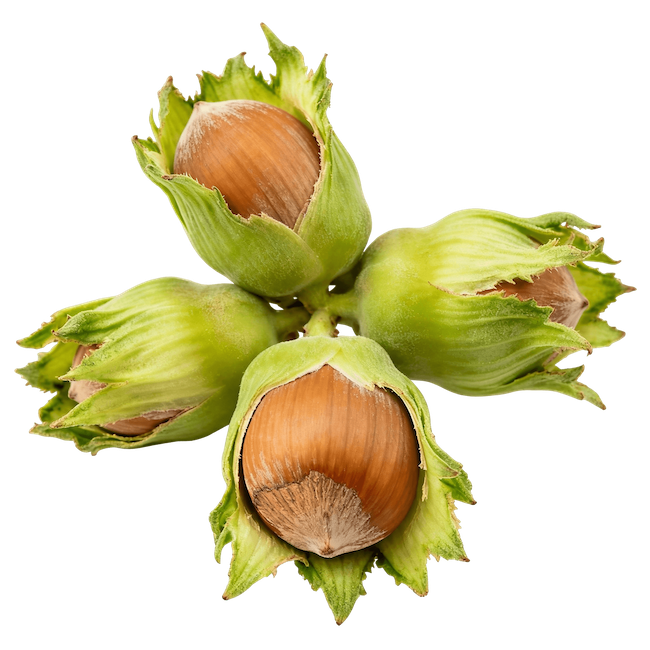
Importance
Raw hazelnut is a nutrient-dense tree nut with a strong profile of monounsaturated fat, vitamin E activity, manganese, copper, magnesium, fiber, plant protein, folate, thiamin, arginine, and antioxidant polyphenols. Its nutritional strength begins with lipid quality. Hazelnuts are especially rich in oleic acid, the same major monounsaturated fatty acid found in many heart-supportive plant foods. Oleic acid helps form flexible cell membranes and supports lipid metabolism, while hazelnut fiber, phytosterols, and phenolic compounds help support healthy cholesterol handling and bile acid movement.
Hazelnut is also a strong antioxidant-support nut. Its vitamin E compounds help protect cell membranes from lipid oxidation, while the skin contains concentrated proanthocyanidins, catechins, flavonoids, and phenolic acids. These plant compounds connect hazelnut to oxidative stress control, Nrf2 antioxidant response, NF-kB inflammatory signaling balance, endothelial protection, and cellular repair pathways. These pathways matter because chronic oxidative stress and persistent inflammatory signaling can increase pressure on DNA, mitochondria, blood vessels, and immune communication.
In cancer-supportive nutrition patterns, hazelnut is most relevant for its combination of vitamin E, manganese, copper, magnesium, fiber, unsaturated fats, phytosterols, and polyphenols. These nutrients support antioxidant enzyme systems, membrane stability, gut microbial fermentation, immune balance, and normal apoptosis signaling. Hazelnut polyphenols, especially proanthocyanidins and catechin-related compounds, are studied for antioxidant and anti-inflammatory activity. The fiber fraction supports digestive function and short-chain fatty acid production, which helps maintain colon barrier integrity and immune signaling.
Hazelnut’s amino acid profile includes arginine, glutamic acid, aspartic acid, leucine, glycine, valine, alanine, serine, and phenylalanine. Arginine supports nitric oxide production through nitric oxide synthase activity, which is important for circulation and endothelial function. Magnesium supports ATP metabolism, glucose-handling pathways, nerve signaling, and muscle function. Copper and manganese support antioxidant enzyme systems that protect cells from reactive oxygen stress.
Raw hazelnut has a low glycemic impact because it is low in available carbohydrate and high in fat, fiber, and protein. This helps support steadier post-meal energy and reduces sharp glucose exposure. Its best nutritional role is as a concentrated whole-food source of healthy fats, antioxidant chemistry, minerals, and amino acid building blocks. Hazelnut supports cardiovascular function, cellular protection, digestive balance, metabolic steadiness, skin and collagen support, and long-term repair pathways through its combined fat, fiber, mineral, and phytochemical profile.