Importance
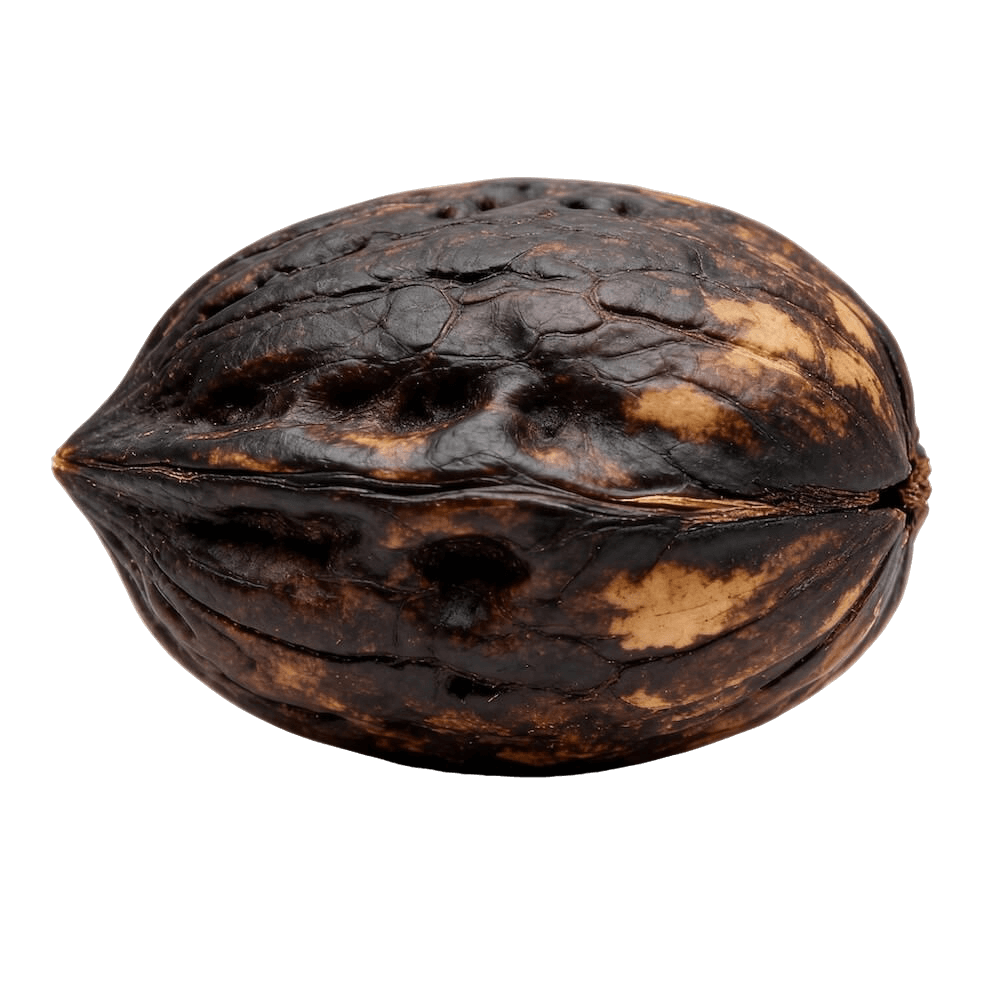
Raw black walnut is a concentrated tree nut with a distinctive nutrient profile built around plant protein, unsaturated fat, fiber, minerals, tocopherols, and phenolic compounds. Its strongest nutritional value comes from the way these nutrients work together to support cellular protection, cardiovascular function, metabolic steadiness, digestive health, and long-term antioxidant defense. Black walnut contains meaningful amounts of protein and amino acids, including arginine, glutamic acid, leucine, valine, glycine, and serine. Arginine is especially important because it supports nitric oxide biology, which helps maintain normal blood vessel relaxation and circulation.
Black walnut also provides magnesium, phosphorus, potassium, zinc, copper, manganese, and iron, minerals that participate in ATP metabolism, antioxidant enzyme systems, connective tissue maintenance, oxygen handling, and immune signaling. Its fat profile includes polyunsaturated and monounsaturated fatty acids that help form cell membranes and influence lipid-signaling pathways. These nutrients connect black walnut to lipid metabolism, mitochondrial energy production, endothelial function, and redox balance.
The phytochemical identity of black walnut is especially important. Research on black walnut kernels has identified phenolic acids, flavonoids, catechins, quercetin-related compounds, eriodictyol glycosides, glansreginin A, azelaic acid, and ellagic acid. These compounds support antioxidant and inflammatory-regulating pathways, including Nrf2-related antioxidant defense, NF-kB inflammatory signaling balance, cytokine regulation, and cellular stress response. These pathways are relevant to many chronic ailment patterns because excess oxidative stress and prolonged inflammatory signaling can place pressure on DNA, cell membranes, mitochondria, and immune communication.
In cancer-supportive nutrition patterns, black walnut is most relevant for its phenolic chemistry, vitamin E activity, mineral cofactors, fiber, and unsaturated fats. These components help support cellular environments involved in DNA protection, oxidative stress control, apoptosis signaling balance, and immune regulation. Black walnut extracts have been studied for anti-inflammatory and antimicrobial properties, and kernel phenolics have been characterized for antioxidant potential. The whole nut also contributes fiber that supports gut microbial fermentation and short-chain fatty acid production, linking it to colon barrier support and digestive resilience.
Black walnut is energy dense, so its best nutritional role is as a small, concentrated whole-food source of plant protein, minerals, beneficial fats, and phenolic compounds. Its low sugar content and high fat-protein structure give it a very low glycemic effect, helping support steady post-meal energy. This makes black walnut valuable for cellular repair, cardiovascular support, metabolic balance, antioxidant defense, and nutrient density within a whole-food plant-based eating pattern.