Importance
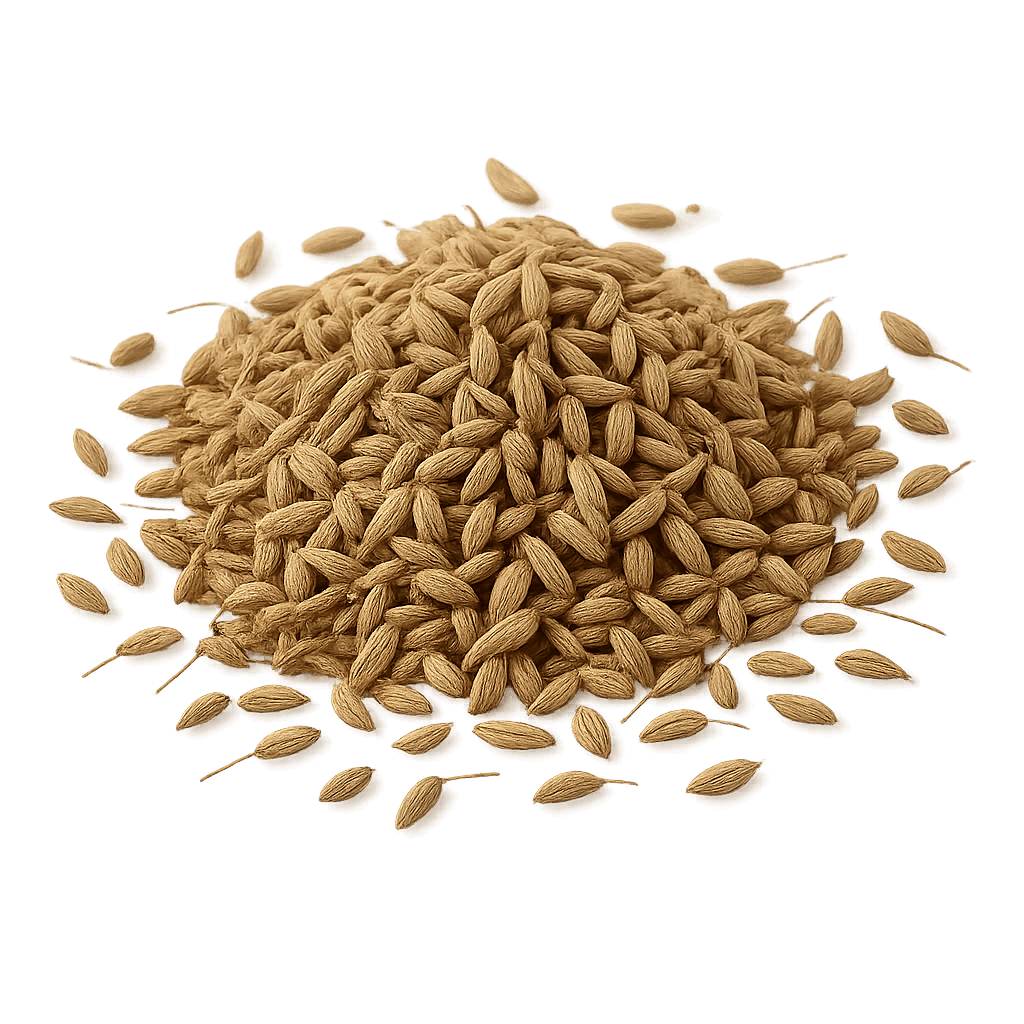
Whole raw anise seed is an aromatic seed from Pimpinella anisum with a strong identity built around volatile oils, fiber, minerals, plant protein, phenolic compounds, and digestive-support chemistry. Its most recognizable compound is trans-anethole, the dominant aromatic constituent responsible for its sweet licorice-like flavor. Anise seed also contains estragole, anisaldehyde, anise alcohol, limonene, linalool, pinene compounds, flavonoids, phenolic acids, tannins, carotenoids, fatty acids, and antioxidant compounds.
Anise seed supports digestive and metabolic pathways through its fiber, aromatic compounds, and carbohydrate-digestive enzyme interactions. Research on aniseed extracts has reported activity involving alpha-amylase and alpha-glucosidase, two enzymes that help break down starches and carbohydrates. This connects anise seed to post-meal carbohydrate handling, glucose release, insulin-related metabolic signaling, and oxidative stress control. A slower carbohydrate breakdown pattern can help reduce sharp glucose exposure, which matters because high glucose stress can increase reactive oxygen species, endothelial strain, and inflammatory signaling.
The antioxidant value of anise seed comes from phenols, tannins, flavonoids, carotenoids, and essential oil compounds. These phytochemicals support oxidative stress balance, lipid peroxidation control, inflammatory signaling regulation, and cellular defense. In cancer-supportive nutrition patterns, anise seed is most relevant for its phenolic chemistry, antioxidant activity, digestive support, fiber, and mineral cofactors. These nutrients and compounds intersect with Nrf2 antioxidant response, NF-kB inflammatory signaling balance, mitochondrial protection, DNA protection, lipid oxidation defense, and gut microbial fermentation.
Anise seed also provides plant protein and amino acids, including glutamic acid, aspartic acid, leucine, arginine, lysine, valine, alanine, glycine, and serine. Arginine supports nitric oxide biology, while glutamic and aspartic acids contribute to nitrogen metabolism and cellular energy pathways. Iron, magnesium, calcium, manganese, zinc, potassium, and copper support oxygen handling, ATP metabolism, antioxidant enzyme systems, connective tissue maintenance, and immune communication.
Whole raw anise seed is typically used in small amounts because of its concentrated aroma, but its nutrient and phytochemical density make it valuable beyond flavor. It supports digestive comfort, metabolic steadiness, antioxidant defense, immune balance, cellular repair, and inflammatory regulation through its combined essential oil chemistry, fiber, minerals, amino acids, and phenolic compounds.