Importance
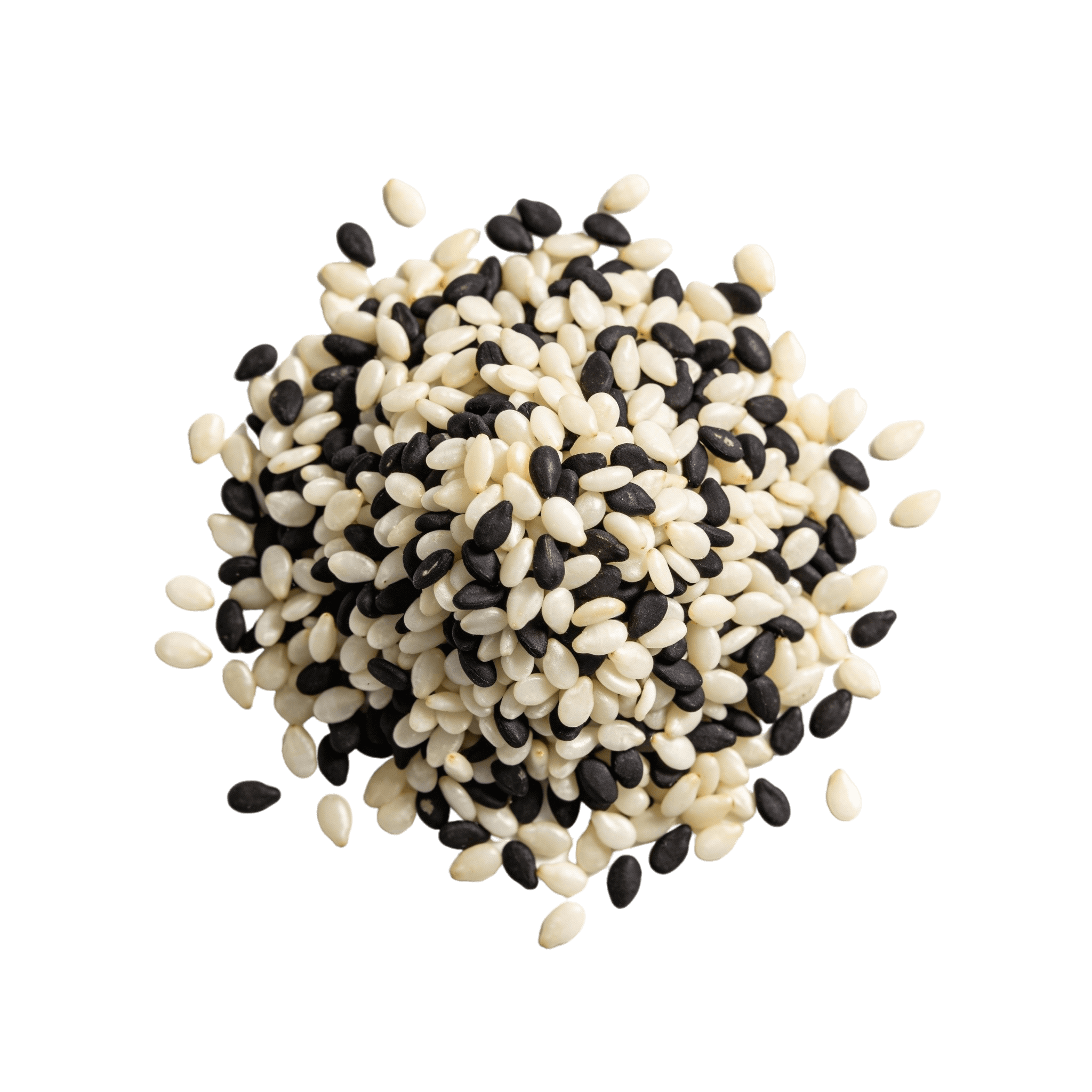
Whole dried sesame seed is a mineral-rich oilseed with a strong profile of plant protein, fiber, calcium, copper, manganese, magnesium, iron, zinc, phosphorus, unsaturated fats, lignans, tocopherols, phytosterols, and antioxidant compounds. Its nutritional importance begins with sesame lignans. Sesamin, sesamolin, sesamol, sesaminol, pinoresinol, and related compounds help support antioxidant defense, lipid protection, and inflammatory signaling balance. Sesame also provides phenolic acids, flavonoids, vitamin E compounds, and phytosterols that help protect fats and cell membranes from oxidative stress.
Sesame supports metabolic steadiness through fiber, protein, unsaturated fats, minerals, and carbohydrate-digestive enzyme activity. Sesame seed extracts and sesame meal have been studied for alpha-amylase and alpha-glucosidase inhibitory activity, linking sesame to starch digestion, glucose release, post-meal carbohydrate handling, and insulin-related metabolic response. These pathways matter because repeated sharp glucose movement can increase oxidative stress, mitochondrial workload, endothelial pressure, and inflammatory signaling. Fiber also supports digestive regularity and gut microbial fermentation, helping maintain colon barrier integrity and immune communication.
The mineral profile of whole dried sesame seed is especially important. Calcium and phosphorus support bone structure, magnesium supports ATP metabolism and glucose-handling pathways, iron supports oxygen transport, zinc supports immune signaling, and copper and manganese support antioxidant enzyme systems. These minerals work with sesame lignans and tocopherols to support redox balance, tissue repair, and cellular resilience.
In cancer-supportive nutrition patterns, sesame seed is most relevant for its lignans, fiber, minerals, vitamin E compounds, phytosterols, and antioxidant polyphenols. These nutrients intersect with Nrf2 antioxidant response, NF-kB inflammatory regulation, glutathione-related redox balance, lipid oxidation control, mitochondrial stability, DNA protection, gut barrier support, and normal apoptosis signaling balance. Chronic oxidative stress and prolonged inflammatory signaling can place pressure on DNA, cell membranes, mitochondria, and immune communication; sesame nutrients support a more protective cellular environment through several of these pathways.
Sesame also provides amino acids, including glutamic acid, arginine, aspartic acid, leucine, glycine, serine, valine, alanine, phenylalanine, and methionine. Arginine supports nitric oxide biology, while methionine contributes sulfur metabolism. Whole dried sesame seed is calorie dense, so its best role is as a concentrated whole-food source of minerals, protein, fiber, lignans, healthy fats, and protective plant compounds.