Importance
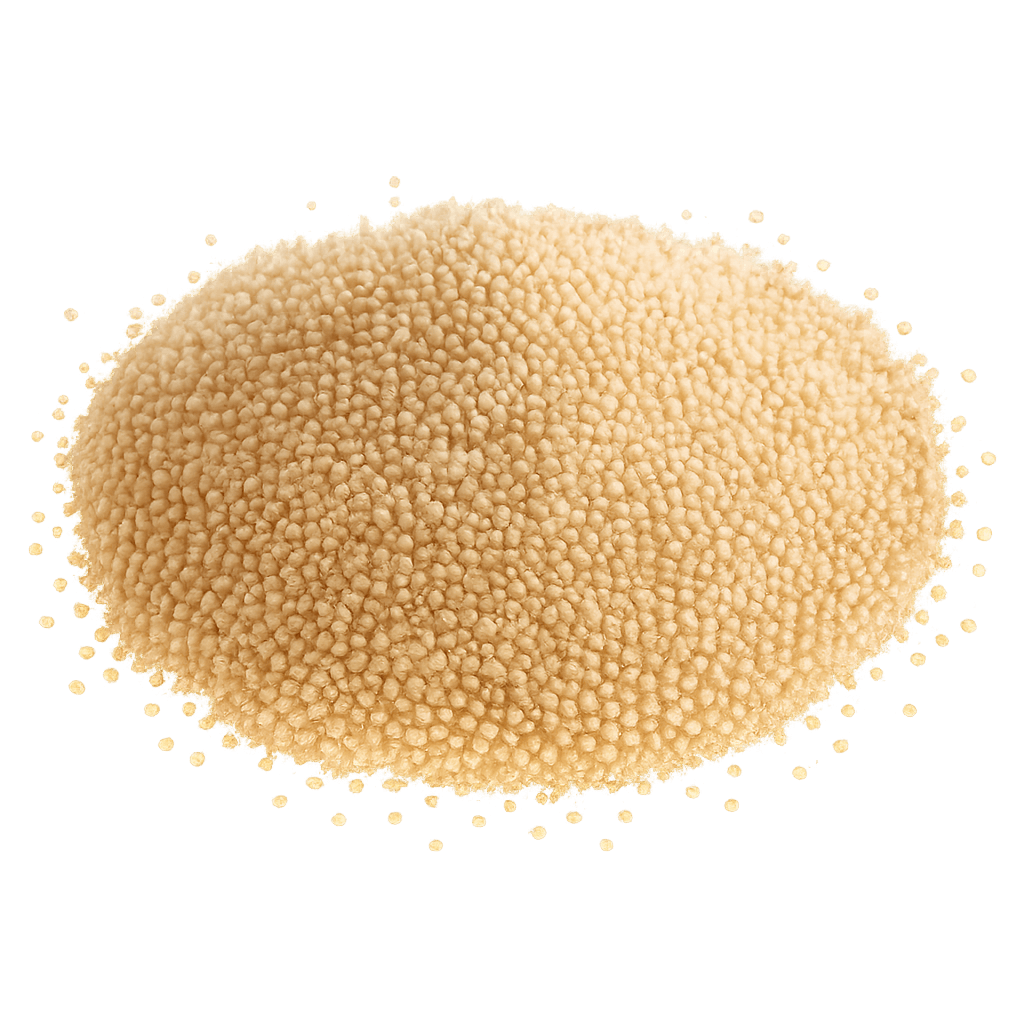
Raw amaranth seed is a nutrient-dense pseudocereal seed valued for plant protein, lysine, methionine, fiber, magnesium, manganese, phosphorus, iron, zinc, unsaturated fats, squalene, phytosterols, tocopherols, and phenolic compounds. Its protein quality is notable because amaranth contains more lysine than many common cereal grains, making it useful for tissue repair, enzyme formation, immune signaling, collagen support, and cellular maintenance. Its mineral profile supports ATP metabolism, oxygen handling, antioxidant enzyme activity, nerve signaling, and bone structure.
Amaranth supports metabolic steadiness through complex carbohydrate, fiber, protein, and enzyme-interacting seed compounds. Research on amaranth seed extracts and bioactive compounds has reported alpha-amylase and alpha-glucosidase inhibitory activity, linking amaranth to starch digestion, glucose release, and post-meal carbohydrate handling. These pathways are relevant to insulin signaling, mitochondrial workload, oxidative stress, and endothelial function because sharp glucose swings can increase reactive oxygen production and inflammatory pressure.
The phytochemical strength of amaranth includes squalene, phenolic acids, flavonoids, phytosterols, tocopherols, betalain pigments in some varieties, rutin-related compounds, and antioxidant peptides. These compounds connect amaranth to Nrf2 antioxidant response, NF-kB inflammatory signaling balance, lipid oxidation defense, mitochondrial resilience, and DNA protection. Squalene and phytosterols support lipid metabolism and membrane protection, while phenolic compounds help reduce oxidative stress that can damage proteins, fats, and DNA.
In cancer-supportive nutrition patterns, raw amaranth seed is most relevant for its fiber, magnesium, manganese, iron, zinc, lysine-rich protein, squalene, phenolics, and antioxidant activity. These nutrients intersect with pathways involving cellular repair, glutathione-related redox balance, immune communication, apoptosis signaling balance, inflammation regulation, and gut microbial fermentation. Fiber supports digestive regularity and short-chain fatty acid production, helping maintain colon barrier integrity and immune signaling.
Raw amaranth seed is calorie dense but highly nutritious. Its best role is as a whole-food seed providing protein, minerals, complex carbohydrate, fiber, and bioactive plant compounds. It supports metabolic balance, digestive resilience, cardiovascular function, immune regulation, oxygen transport, cellular repair, and long-term antioxidant protection through its combined amino acid, mineral, fiber, and phytochemical pattern.